RWE is assessing the potential impact of boulders placed by Greenpeace within the Norfolk Vanguard East offshore wind farm area in the North Sea, where offshore construction is scheduled to begin in 2027.
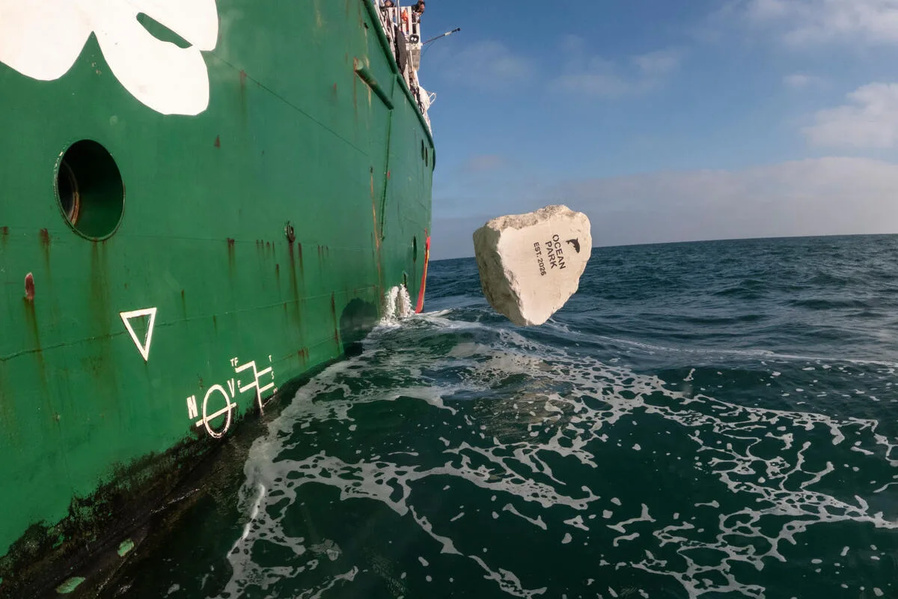
The environmental group placed nine large boulders on the seabed off England’s Norfolk coast in early November to deter bottom trawling in the Southern North Sea Marine Protected Area. The campaign was intended to protect harbour porpoises and their marine habitat.
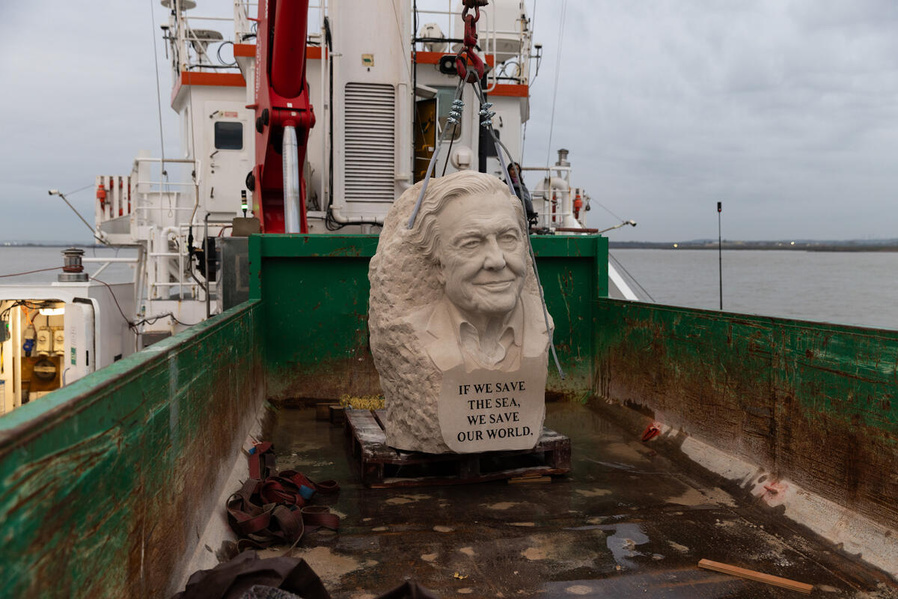
Greenpeace subsequently deployed a 1.5-tonne limestone sculpture resembling British broadcaster and environmentalist Sir David Attenborough on 12 November 2026. Named Attenboulder, the sculpture was lowered from the group’s vessel Arctic Sunrise to complete its seabed barrier.
Other boulders carried the names of campaign supporters, including actors Benedict Cumberbatch and Simon Pegg.
According to Maritime Journal, RWE confirmed that the boulder placements overlap the turbine array boundary of Norfolk Vanguard East. The developer said it had maintained constructive communication with Greenpeace and was continuing to investigate the implications for the project.
The Guardian reported that RWE was working with Greenpeace to verify the precise locations of the boulders and update seabed surveys. The company was also examining possible effects on offshore construction activities and subsea cables.
No construction delay has been confirmed.
Norfolk Vanguard East is one of two offshore wind farms being developed by RWE and investment partner KKR off the Norfolk coast. The companion project, Norfolk Vanguard West, will also have an installed capacity of 1.4 GW, bringing their combined capacity to 2.8 GW.
According to RWE’s official project announcement, the two projects represent an investment of approximately £12 billion, including associated transmission infrastructure.
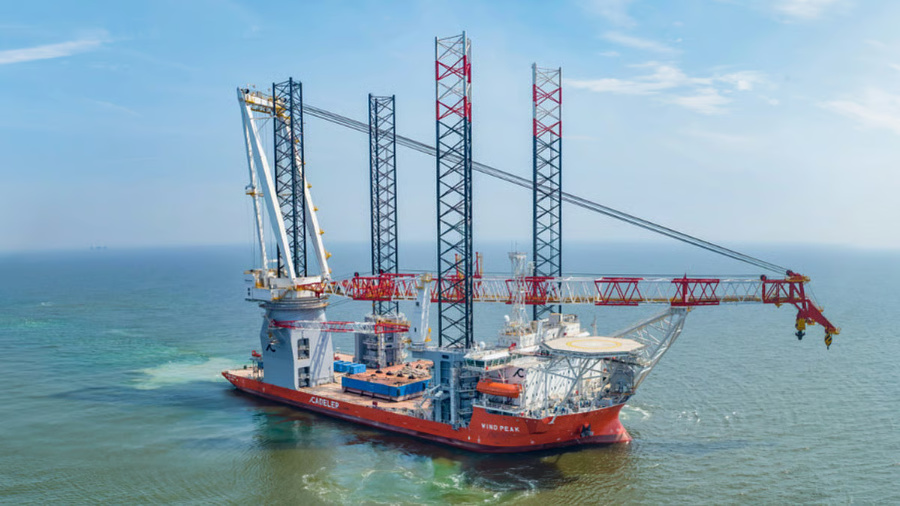
Offshore construction is scheduled to begin in early 2027. Foundation installation at Vanguard West is planned for the first half of the year, followed by Vanguard East. Both projects are expected to be fully commissioned in 2030.
The developers recently completed their 50:50 joint venture and project financing arrangements.
Greenpeace has disputed suggestions that the boulders could significantly obstruct offshore wind construction. The organisation argued that wind farm developers routinely relocate naturally occurring seabed rocks, some considerably heavier than those deployed during its campaign.
The UK’s Marine Management Organisation had warned Greenpeace against further boulder placements before the Attenboulder deployment. Greenpeace proceeded with the operation on 12 November despite the warning.