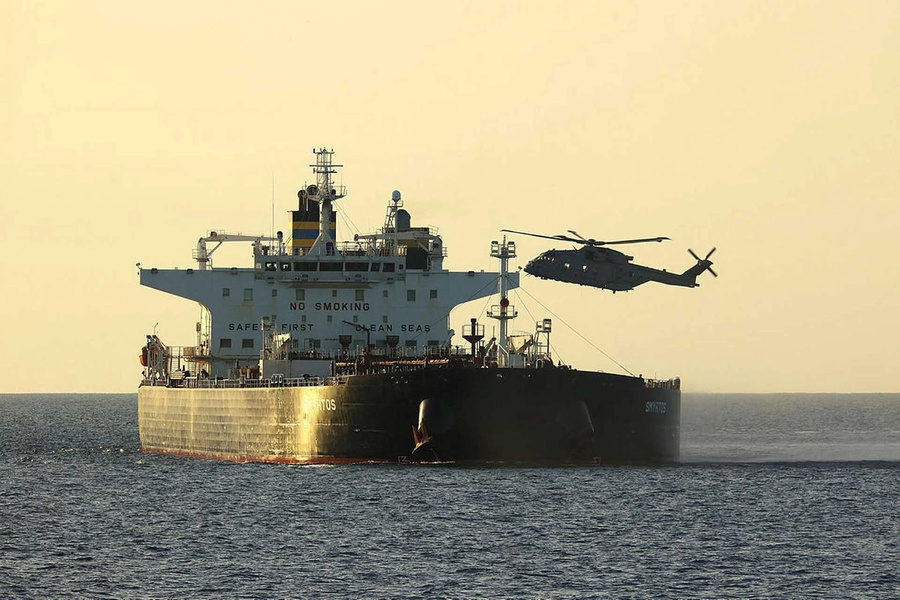
Japan has imposed restrictions on 35 vessels linked to Russia’s shadow fleet, marking the first time Tokyo has directly targeted individual ships under its sanctions measures against Russia.
The measures took effect on 2 October 2026 under Japan’s Foreign Exchange and Foreign Trade Act. According to the Japan Ministry of Foreign Affairs, specified services involving the 35 vessels now require government permission.
Approval is also required for loans and debt guarantees related to the sale, purchase, lease or charter of the designated ships. A transition period applies to contracts concluded before 2 October, provided the relevant obligations or services are completed before 1 November 2026.
The vessel restrictions are part of a wider package that also targets 33 Russian organisations and nine individuals, while introducing export restrictions against four entities outside Russia and Belarus.
The measures come as more sanctioned vessels move into the Russian registry. Research by the Centre for Research on Energy and Clean Air (CREA) found that 107 vessels joined the Russian registry between January 2025 and June 2026, with 87% already under sanctions when they changed flag.
Of those vessels, 72 transported an estimated €7.5 billion worth of Russian fossil fuels. CREA said the Russian registry grew from 280 vessels to 382 over the same period, an increase of 36%.
Japan’s action adds to the growing use of vessel-specific sanctions aimed at ships and maritime services supporting Russian energy exports.