South Korea’s three largest shipbuilders are forecast to generate a combined operating profit of 9.04 trillion won this year, with industry officials expecting stronger second-half earnings to lift the total closer to or above 10 trillion won ($6.6 billion).
HD Korea Shipbuilding & Offshore Engineering is projected to account for 5.64 trillion won of the annual total. Hanwha Ocean is expected to contribute 1.9 trillion won, while Samsung Heavy Industries is forecast to post 1.5 trillion won.
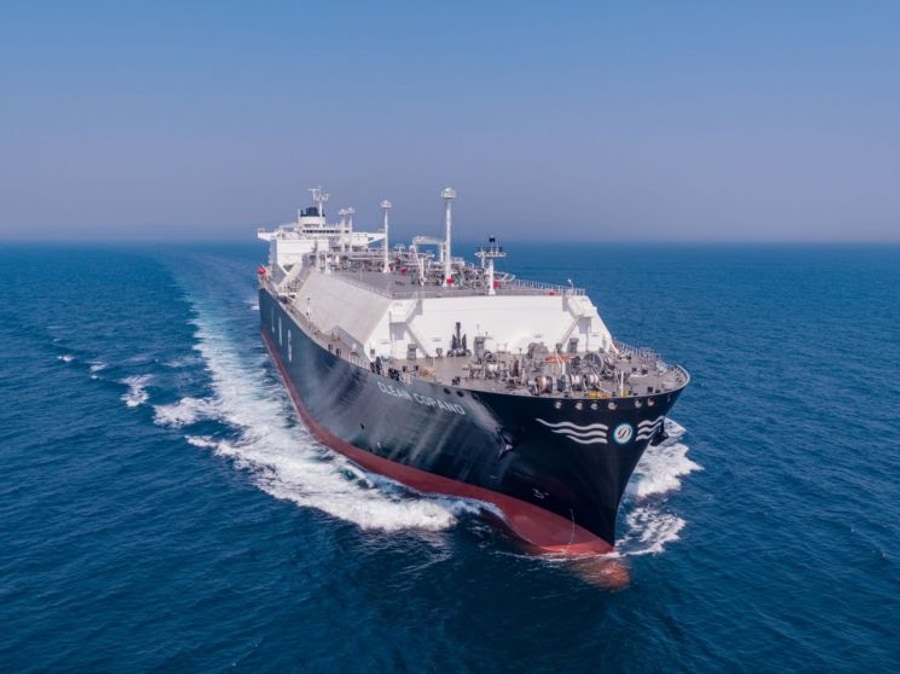
High-value vessels ordered during the latest shipbuilding upcycle, particularly liquefied natural gas carriers, have supported revenue growth. Cost reductions and higher shipyard productivity have also improved profitability.
For the second quarter, market consensus data compiled by FnGuide on Monday placed the three companies’ combined operating profit at 2.33 trillion won. The estimate is 52.5% higher than a year earlier and 12.7% above the first quarter.
HD Korea Shipbuilding & Offshore Engineering, the shipbuilding subholding company of HD Hyundai, is expected to report a second-quarter operating profit of 1.42 trillion won, up 49% year on year.
Hanwha Ocean is projected to record 521.7 billion won, an increase of 40.3%, while Samsung Heavy Industries is expected to post 390.2 billion won, up 90.5%.
The three companies reported a combined operating profit of 2.07 trillion won in the first quarter.
Their overseas naval business remains uncertain. Hanwha Ocean and HD Hyundai Heavy Industries recently faced a setback in Canada’s Canadian Patrol Submarine Project after Thyssenkrupp Marine Systems was selected as the preferred bidder.
Attention is also turning to shipbuilding cooperation between South Korea and the United States. The issue gained momentum following last week’s NATO summit and recent U.S. requests to the three shipbuilders for information on their naval vessel design and construction capabilities.