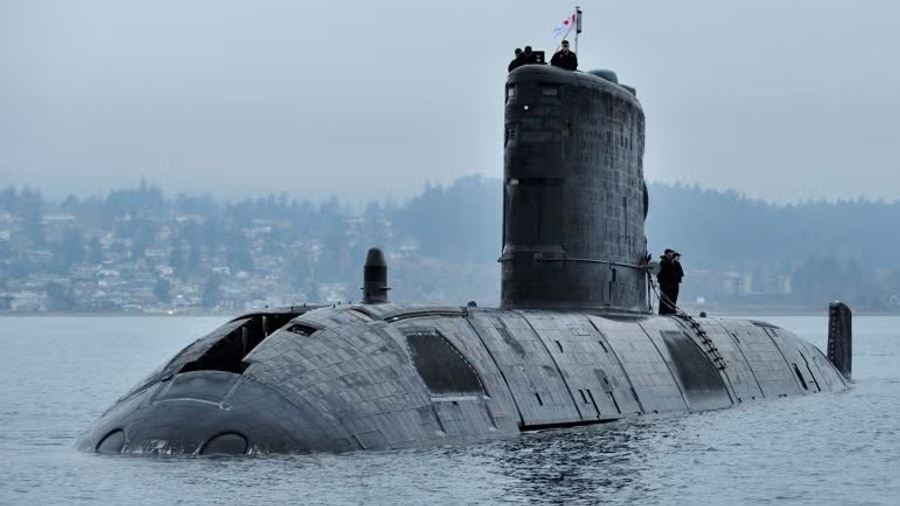
Canada has selected a German-Norwegian proposal led by ThyssenKrupp Marine Systems to build 12 Type 212CD diesel-electric submarines for the Royal Canadian Navy, choosing the bid over a competing offer from Hanwha Ocean.
The decision supports Prime Minister Mark Carney’s plan to expand Canada’s naval capability, increase defense spending and reduce military reliance on the United States. The submarines are also expected to strengthen Canada’s ability to patrol its Arctic waters.
The Type 212CD submarines will be built under cooperation involving ThyssenKrupp Marine Systems and the governments of Germany and Norway. The submarine type has not yet entered service, but ThyssenKrupp Marine Systems has contracts to build the design for Germany and Norway.
Canada also reviewed a proposal from Hanwha Ocean, which has built submarines for South Korea and Indonesia. Assessments by the Canadian government and the Royal Canadian Navy found that both proposals were broadly suitable, with different advantages and limitations.
Diesel-electric submarines use diesel engines while surfaced to charge batteries, which power the vessel underwater. Canada did not follow Australia’s 2021 decision to shift from French-built diesel-electric submarines to nuclear-powered vessels from a U.S.-U.K. program, citing cost and logistical reasons.
Delivery timing was a key factor for Canada as it looks to replace an aging and limited submarine fleet. The country bought four secondhand submarines from the United Kingdom in 1998, and only one is currently operational.
The procurement also includes an industrial component. Canada asked both bidders to improve their commitments on domestic benefits during the process, including investment and job creation.
The new submarines are expected to be used mainly for Arctic patrol missions. Canada has already met NATO’s previous defense spending target of at least 2 percent of gross domestic product and has committed to reach the alliance’s new 5 percent target by 2035.