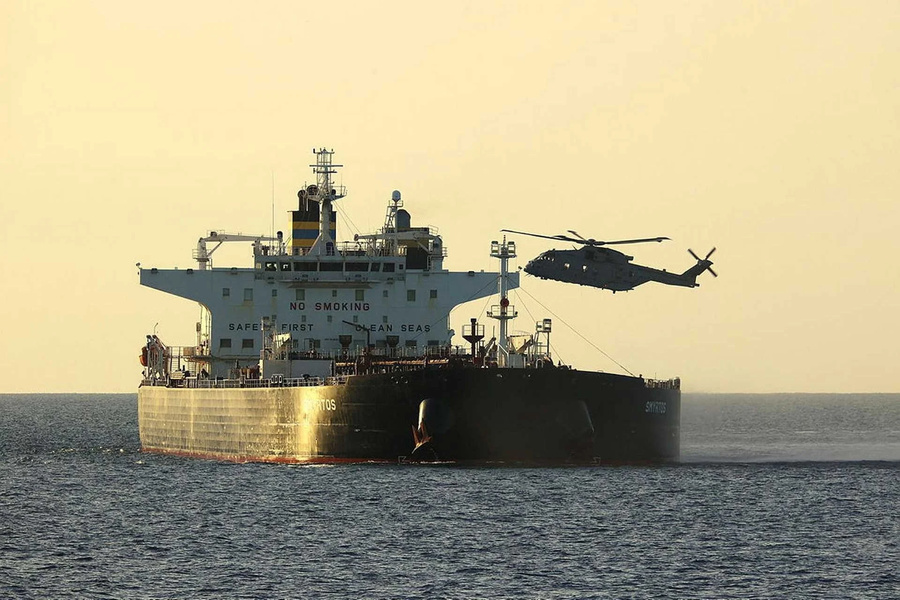
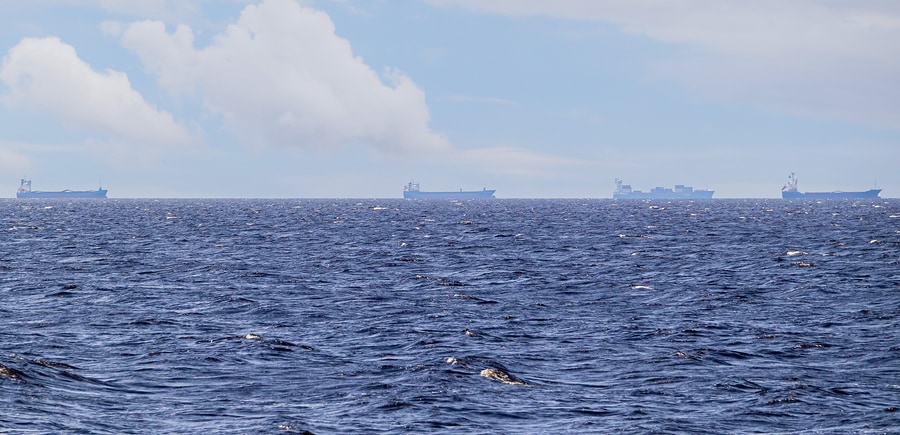
The International Maritime Organization and Oman have started a phased evacuation plan for vessels and seafarers stranded in the Persian Gulf region, following reported progress in talks involving the United States and Iran.
Oman is leading the operation, while the International Maritime Organization will monitor the process and issue daily updates on vessel departures from the region.
In its notice, Oman called for a gradual and controlled movement of vessel traffic. It said two temporary lanes are available, one to the north and one to the south, but warned that the normal Traffic Separation Scheme remains unsafe.
The warning follows confirmation of a mine last week. Reports also indicated that as many as 80 mines may be present in the main traffic lanes.
Because vessels are using a temporary maritime corridor, Oman said the risk of collision is higher. The lanes are narrow and require close monitoring to maintain security.
International Maritime Organization Secretary-General Arsenio Dominguez said the plan will cover more than 11,000 seafarers still in the region. He also referred to the deaths of 14 seafarers during the conflict and said safety guarantees had been secured for the evacuation operation.
The operation will be carried out in phases, with vessels grouped and assigned specific transit days. Ships selected for each group will be contacted and directed to a waiting area in international waters.
Masters will be able to choose either a northern route through Iranian territorial waters or a southern route through Omani territorial waters. Vessels must contact the coastal state responsible for their selected route before proceeding.
The first group includes 40 ships that have been cleared to move to the holding area and begin transit through the Strait of Hormuz.
Oman said the transits will not be subject to tolls and will be conducted in line with international law and freedom of navigation. Vessels have been instructed to keep AIS transmissions active during transit.
The arrangements issued by the Royal Navy of Oman do not yet cover vessel entry into the Gulf, but further updates are expected.
The International Chamber of Shipping welcomed the evacuation plan, saying coordination is needed to restore freedom of navigation and that the plan should work alongside existing mechanisms.
The move comes as some factions in Iran continue to claim the Strait is closed and say permits are not being issued. However, reports indicate that some ships are already leaving the Gulf, with transit levels approaching the highest level since February.
Qatar and Pakistan, acting as joint mediators, said Iran and the United States agreed during talks in Switzerland to maintain a communication line for 60 days. The line is intended to support the terms of last week’s Memorandum of Understanding and help prevent incidents or miscommunication during commercial vessel transits through the Strait of Hormuz.
Some Iranian factions have said the arrangement is temporary. They have also claimed that after 60 days, the Strait of Hormuz will become an Iranian waterway. A so-called Persian Gulf Strait Authority has said ships may later need insurance for transit, with the first 60 days free before possible fees.
The International Maritime Organization said the engagement between Iran and the United States marks an important step toward restoring maritime security and ending attacks on civilian shipping.