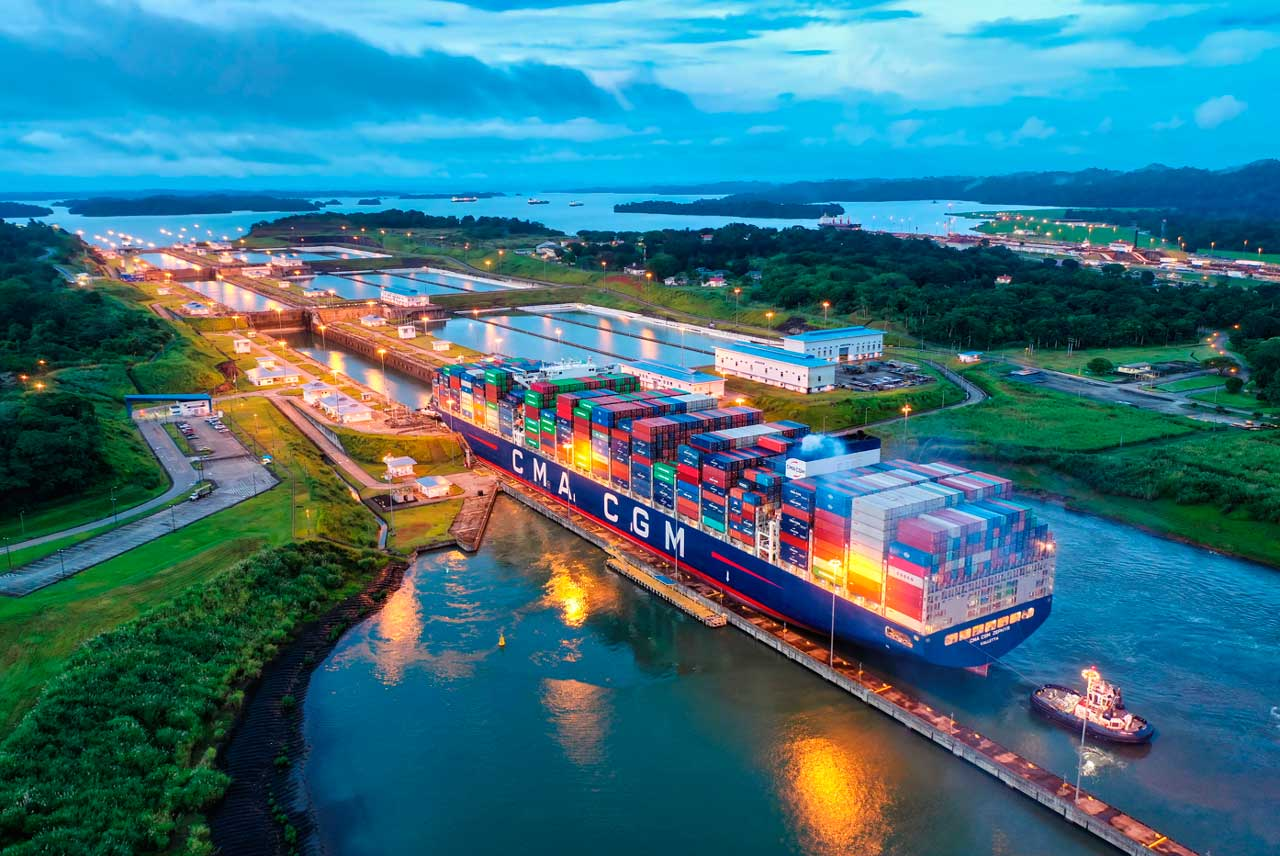
Vessel queues are increasing at the Panama Canal ahead of scheduled maintenance that will reduce transit capacity in June, raising concern over delays and freight costs across shipping markets.
The Panama Canal Authority plans dry chamber maintenance on the east lane of the Gatun Locks from 9 June 2026 to 17 June 2026. During the work, daily transit slots will fall to 16, and vessels will have to use the west lane, extending passage times.
The maintenance period comes as waiting times are already rising at both ends of the canal. Rerouted trade flows linked to the Strait of Hormuz crisis are adding pressure to the route.
SEB said congestion risks are increasing quickly. The bank reported average waiting times of 47.9 hours so far this month, about 60% above the January-February average before the war.
The bank warned that maintenance could deepen delays and push some ships into longer waits or costly rerouting via the Cape of Good Hope. It said both outcomes would tighten effective VLGC supply. SEB added that LPG freight markets remain supported, with US Gulf rates close to record highs of about $185,000 per day.
Weather risks are also adding pressure. The US National Oceanic and Atmospheric Administration estimates an 82% probability of El Niño returning between May and July, with up to a 37% chance of a severe event by year-end.
El Niño has previously reduced rainfall in Central America, lowering water levels in Gatun Lake, the canal’s main freshwater source, and forcing transit restrictions.
The Panama Canal Authority said there are currently no plans to restrict vessel traffic during the rest of 2026. Officials said water conservation measures introduced since last year have helped keep Gatun Lake at relatively high historical levels.
The authority also said the canal continues to handle about 38 ships per day despite rising demand.
However, market pressure remains visible. Splash reported last week that auction prices for priority Panama Canal transits had reached $4 million per vessel, above levels seen during the previous drought crisis.