The Philippines is advancing a 3.5 GW offshore wind pipeline in San Miguel Bay and the Guimaras Strait as it works to reduce its 57% reliance on coal power and build a domestic renewable energy base.
A 2026 study by Global Wind Energy Council said the two offshore wind areas could produce about 11 terawatt-hours of electricity a year when fully developed.
In Bicol, the San Miguel Bay project is planned to start at 1 GW in 2029 and expand to 2 GW by 2031. In Western Visayas, the Guimaras Strait project is expected to begin with 500 MW in 2030 before rising to 1.5 GW by 2032. Each development phase is based on a three-year construction period.
The Philippine Department of Energy has also launched the Fifth Green Energy Auction, covering 3,300 MW of fixed-bottom offshore wind capacity for delivery from 2028 to 2030. The Energy Regulatory Commission set the auction reserve price ceiling at P11/kWh.
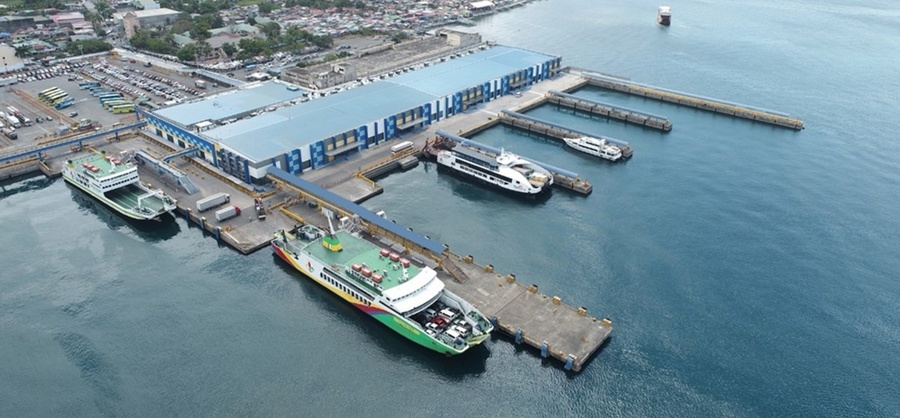
Infrastructure remains a key obstacle. The country does not yet have fully developed offshore wind ports capable of handling 15 MW turbines with blades longer than 100 m. Pambuhan Port and Pulupandan are among the existing facilities being reviewed for upgrades to support marshaling, storage, and heavy-lift operations.
BusinessWorld author Dianne Araral identified grid connection, port readiness, foreign exchange exposure, extreme weather, and contract quality as the main risks for offshore wind investors.
Grid readiness is critical because large projects cannot move ahead smoothly if transmission capacity is delayed. Developers also need clear rules on curtailment compensation and transmission planning.
Port readiness is another concern, as auction awards will not become operating wind farms unless heavy-lift ports and storage yards are ready before construction begins.
Foreign exchange risk also affects project economics. Offshore wind projects rely on imported components, while revenue is earned in Philippine pesos. This means investors may seek tariff indexation or local-currency financing.
The country’s exposure to typhoons adds further pressure on engineering standards and insurance costs. For lenders and developers, these issues are part of project bankability, not only technical design.
Contract quality will also be important. Investors require power purchase agreements with payment security, lender step-in rights, and credible dispute resolution provisions.
Multilateral development banks such as World Bank and Asian Development Bank are expected to help reduce project risks through grid financing and credit enhancement. Strategic port development could also support local supply chains and keep more project value in coastal communities.