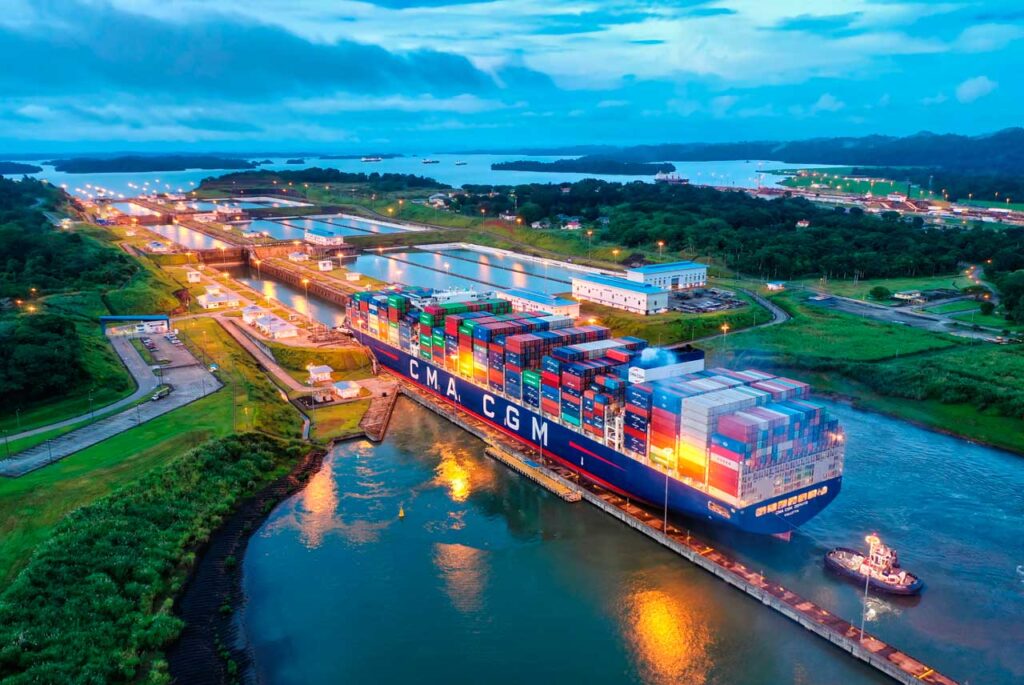
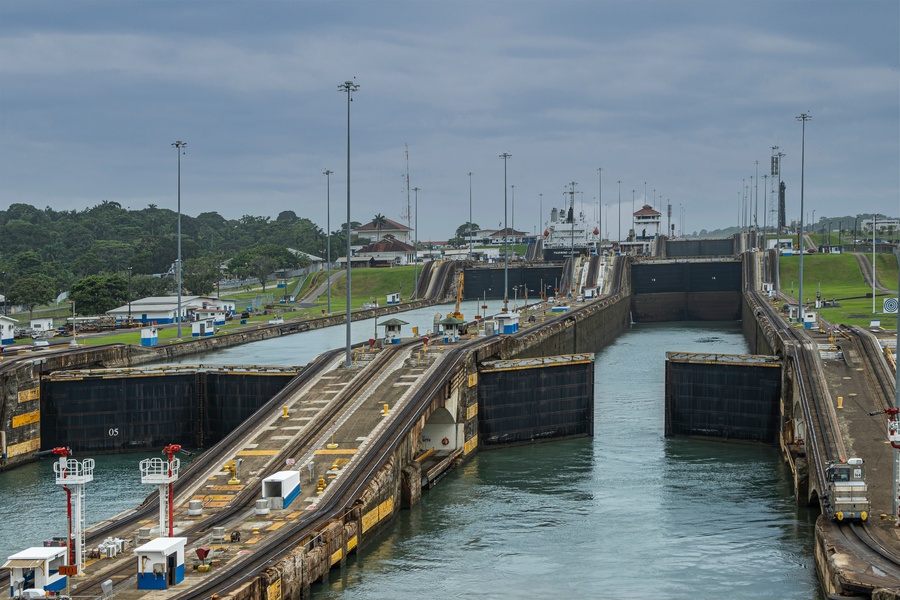
The Panama Canal Authority has rejected claims that auctioned transit slots give vessels an unfair route around the normal scheduling process, as prices climb on stronger demand from energy carriers.
Victor Vial, CFO of the Panama Canal Authority, said auction winners receive space already planned for that day’s transit programme. He stressed that vessels using auction slots are not being moved ahead of others outside the system.
Three auction slots are held each day for segments such as LPG and LNG, where short-notice transit needs are common. Canceled reservations can also be placed into the auction pool, leaving three to five auction slots available on some days.
According to the Canal’s revenue management team, the auction model was adopted to prioritize and price more transparently, rather than relying on a fixed order or first-come method. Vial said market demand determines both access and price.
Auction prices have risen as more tankers carrying U.S. crude, LNG and petroleum products head to the Canal for Asian deliveries. Before the current disruption, auction slots were around $135,000 to $140,000. In March and April, prices climbed to about $385,000. One recent Neopanamax slot reached $4 million, a level last seen during the November 2023 drought.
Wet weather has helped the Canal raise transit velocity. Vial said the authority has increased capacity by 15%, supported by water availability and closer management of vessel mix. He added that higher transit volumes could continue for several more months if the rainy season arrives on time and water inventories remain sufficient.
Traffic has strengthened across several vessel groups. LPG and dry bulk have recovered, containerships remain steady, and chemical and oil tanker movements began increasing from 28 February and 1 March. Tankers have risen from seven daily transits before the current disruption to about 12 per day in the Panamax lane, with some also using the Neopanamax lane.
LNG traffic has increased from about five vessels a month to around 15. The authority had expected tariffs to reduce daily transits this year, with early projections near 32 vessels per day. Current volumes are higher, with 40 to 41 vessels transiting daily.
The Canal said 75% to 80% of Panamax and Neopanamax bookings are filled for the next 30 days, reflecting earlier reservations by operators seeking schedule certainty.
After the 2024 drought, the Canal amended its first-come system and shifted toward advance reservations through the Long-Term Slot Allocation system and an LNG-specific booking mechanism. Vessels are now required to hold a reservation before transit, while last-minute reservations and auctions remain available.
LoTSA 2.5 will open on 28 April for slots transiting on 5 July. The revised system will give LPG and LNG users Transit in Advance and Change Day Policy options, allowing more flexibility when voyage disruptions affect schedules.