Claim costs in Nordic marine hull insurance remained elevated in 2025, with machinery failure and fires identified as the main drivers behind the recent rise.
The Nordic Association of Marine Insurers (Cefor) said 2025 was the third consecutive year of high claims costs. Its year-end 2025 hull reports showed that both major losses and repair cost inflation contributed to the higher cost level. Cefor said machinery failure and fires were the main causes behind the recent increase.
The association reported an extraordinary rise in claims above $10 million, as well as more total losses involving vessels valued above $10 million. Medium-sized claims also increased. Across the data set, most indicators for claim cost and claim frequency moved upward.
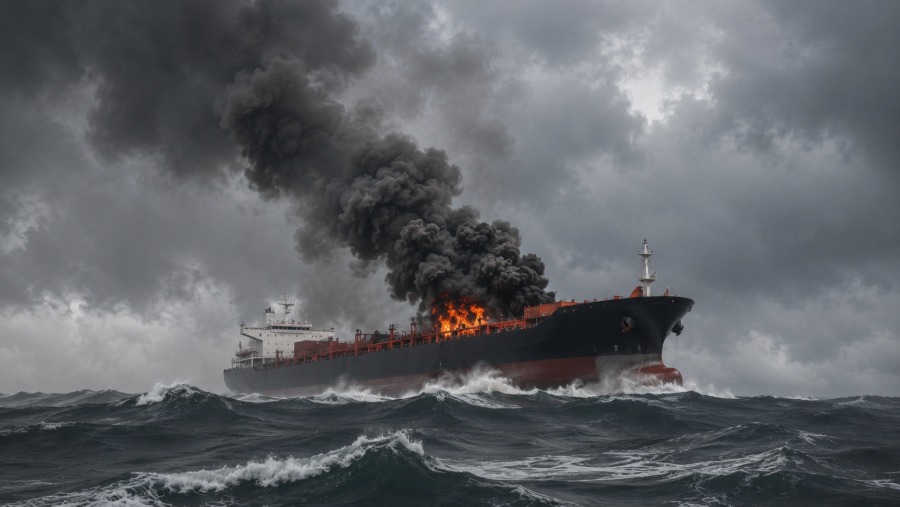
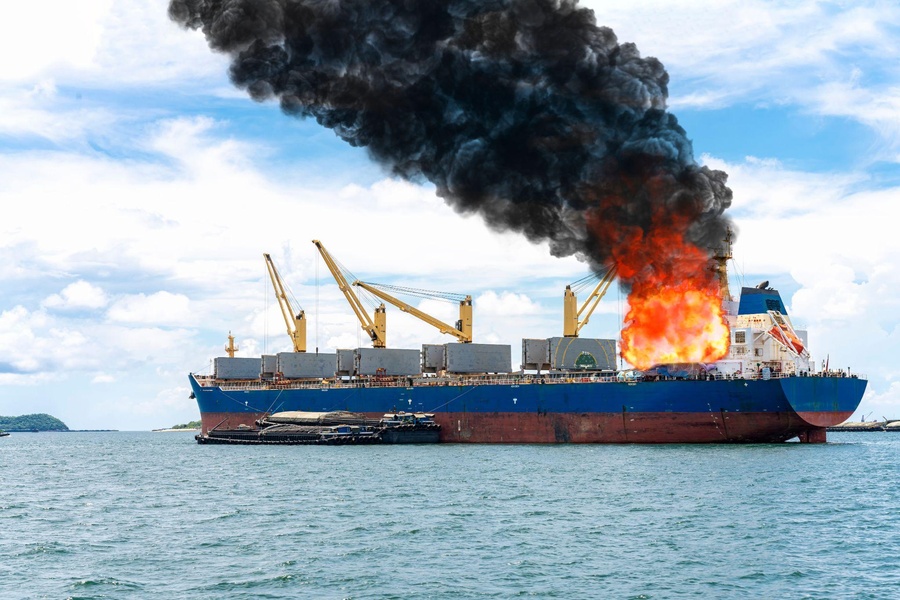
In the ocean hull segment, machinery damage increased substantially in recent years. Cefor said this should be viewed in the context of an aging fleet. Fires continued to account for a large share of the most severe losses. In 2025, 7 of the 13 claims above $10 million were fire-related. In six of the past ten years, fires represented 40% to 70% of the costliest losses, and the pattern extended to younger vessels as well.
Serious machinery claims also became more frequent. The frequency of machinery claims above $500,000 was 30% higher in 2022-2025 than in earlier years. This contributed to a 50% increase in machinery claim cost per vessel.
For smaller vessels in Nordic waters, claims costs returned to more average levels after the extraordinary effect of major losses in the fishing vessel segment in 2024. At the same time, the coastal hull segment showed a similar upward trend in machinery-related costs to that seen in the ocean hull business.
Cefor also pointed to clusters of claims linked to extreme weather events in Norway.
The 2025 reports for the ocean and coastal hull business were based on hull and machinery cover written by Cefor members and recorded in the Nordic Marine Insurance Statistics database. Additional key figures were also released, including breakdowns by vessel type, age group, size group and insured value.