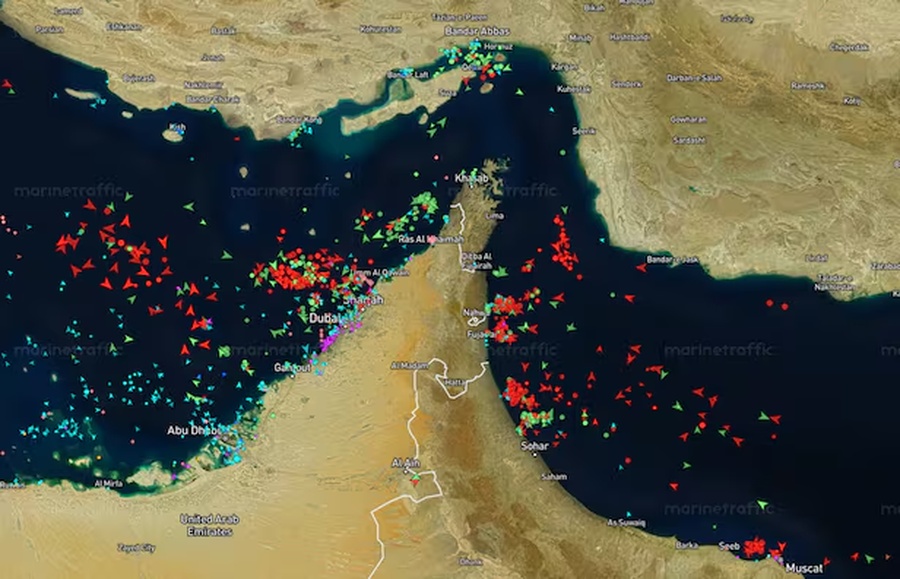
Tensions surrounding the Strait of Hormuz are rapidly impacting seafarers, with new data indicating a clear decline in onboard sentiment as security risks escalate.
According to the latest Seafarers Happiness Index, scores had risen to 7.35/10 earlier in the quarter, reflecting improving conditions across the industry. However, following the outbreak of conflict linked to Operation Epic Fury, the figure fell to 7.01 within weeks, marking a decline of nearly 5% and the fastest drop recorded since the pandemic.
This shift underscores how quickly confidence at sea can weaken when operating conditions deteriorate. Early 2026 had shown signs of stabilisation, with gradual improvements across several welfare-related indicators. That trajectory was interrupted as hostilities intensified and vessel movements became constrained.
At the centre of the disruption is the issue of trust. Transit through Hormuz depends on confidence that vessels will not be targeted and that established operating patterns will remain intact. Such trust develops over time through consistent and predictable conditions, but can be eroded rapidly when disruptions occur.
For crews operating in the region, the impact is immediate. Shore leave has been effectively suspended, welfare support has reduced, and workloads have increased under high-risk conditions. The pressure of operating within range of drones and missile activity has added to existing onboard challenges.
Accounts from seafarers reflect the severity of the situation. Crews reported sightings of low-altitude drones and missiles, as well as the need to take cover during nearby military activity. At the same time, supply constraints have created additional strain, with some vessels facing shortages of drinking water and essential provisions.
The situation also highlights ongoing concerns around crew mobility. Seafarers considering leaving vessels in high-risk areas face uncertainty over future employment, leading many to remain onboard despite safety concerns. This dynamic has reinforced a sense of restriction similar to that experienced during the pandemic.
Comparisons with COVID-19 conditions have emerged in crew feedback, particularly regarding limited movement, extended time onboard, and separation from families.
The findings indicate that while operational disruption can occur rapidly, rebuilding confidence among seafarers requires sustained stability. Each safe transit contributes to restoring trust, but continued uncertainty risks prolonging the current decline in morale.