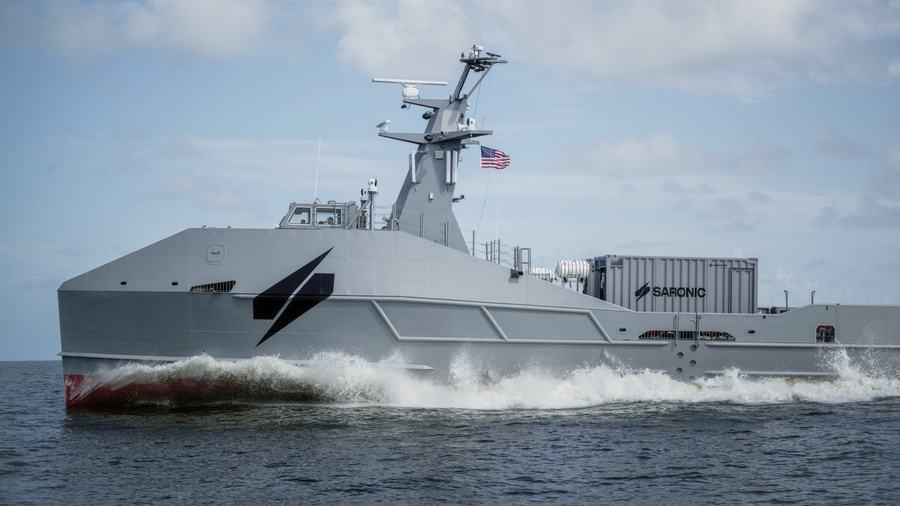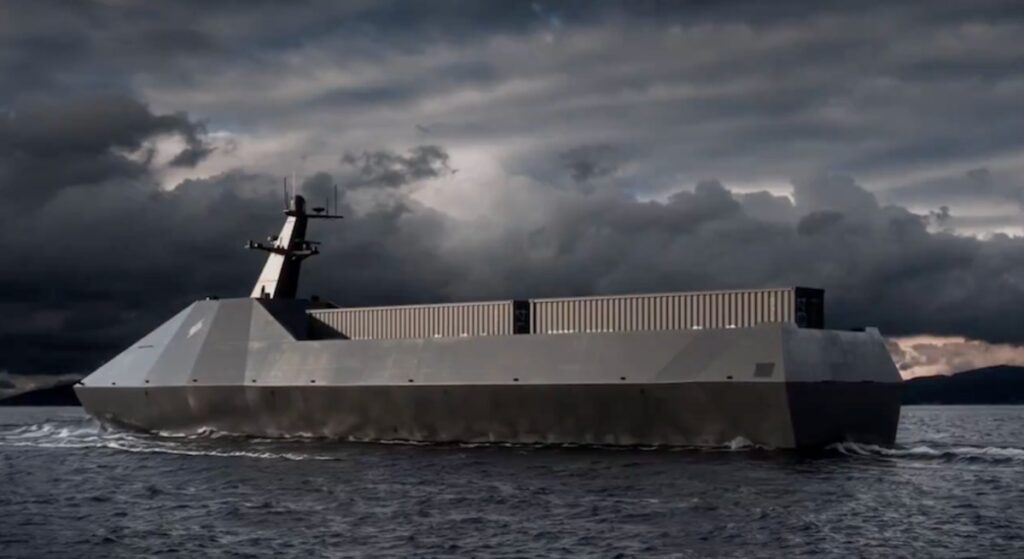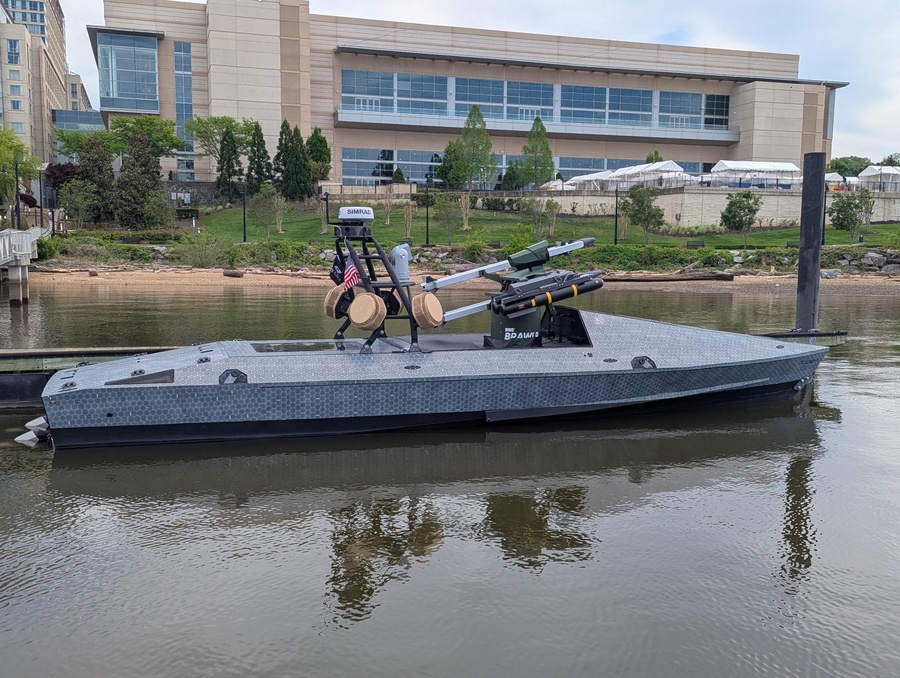
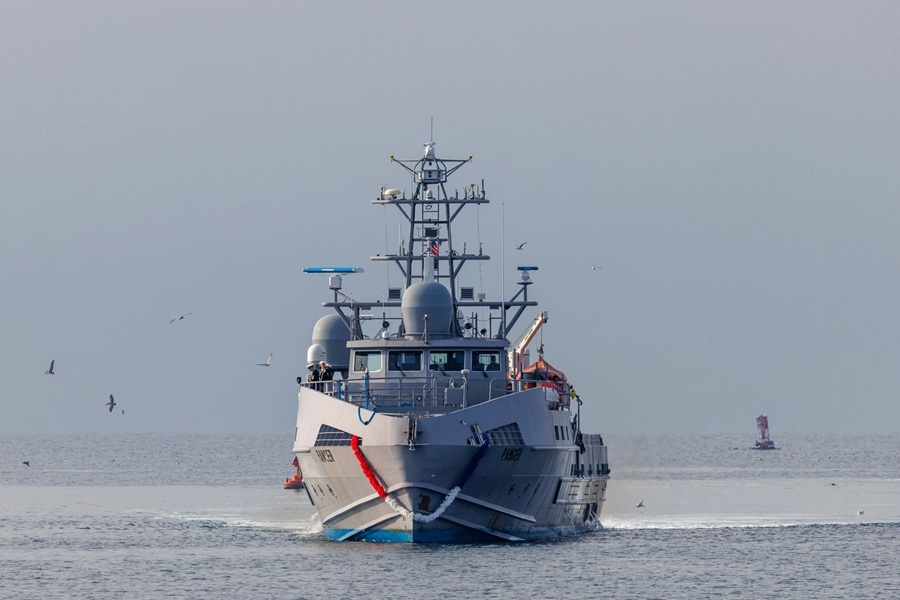
The U.S. Navy has ended its Modular Attack Surface Craft effort and moved to a new marketplace model for medium unmanned surface vessels, seeking faster fielding of operational platforms instead of running a traditional prototype path.
Rebecca Gassler, the Navy’s Portfolio Acquisition Executive for Robotics and Autonomous Systems, said on 26 March 2026 that the service now wants a medium unmanned vessel able to support more than one mission. She said the earlier MASC structure was too limited for that objective and that the revised approach fits the Navy’s broader Golden Fleet direction.
Under the new solicitation, industry must provide four elements: a technical design, business model options, a plan for supply chain and long-term sustainment, and a test plan. The Navy is accepting responses until 17 April. Sea trials are set to run in three phases over six days, and the on-water evaluation must finish by 30 September 2026, the end of the current fiscal year.
Gassler said the Navy is looking for mature systems that can be integrated quickly. In her remarks, she stressed that the service does not want early-stage prototypes. Instead, the intent is to use technology already developed by industry, test it at sea, and move directly toward production or leasing arrangements if performance meets requirements.
The Navy expects at least the first production vessel to be delivered in fiscal year 2027. Solicitation guidance says a company would receive $10,000 after award and $15.0 million after a successful on-water test.
Gassler did not detail the mission set for the updated MUSV effort, but said trials later this year will show whether proposed vessels match Navy requirements. She added that this is intended to become a recurring marketplace, not only for MUSVs but eventually for other unmanned vessel classes, with a similar path also planned for small USVs.
Last summer’s MASC solicitation had sought a vessel able to carry up to two 40-foot shipping containers, make 25 knots, and cover 2,500 nautical miles in sea state four. Several vendors were later down-selected, and Gassler said those firms, along with any other respondents, can compete again under the new framework.
She also said the change reflects a wider push to expand robotic and autonomous systems and to alter how the Navy buys capability. According to a Navy statement, the reconciliation measure passed last year included nearly $5.0 billion for unmanned Navy programs, including $2.1 billion for medium unmanned surface vessels.
Gassler did not disclose unit cost or identify the future program of record. She said that even if this year’s demonstrations use boats representative of final submissions rather than full production vessels, each entry will still need to complete a full endurance run, along with any added mission testing and a regression test for autonomy integrated with production controls.