
Dutch firm Wattlab has said its solar power system can cut auxiliary fuel consumption by 2–5% after pilot projects and a full-scale installation at sea. The company said the result showed shipboard solar power had moved beyond a test stage and into practical use.
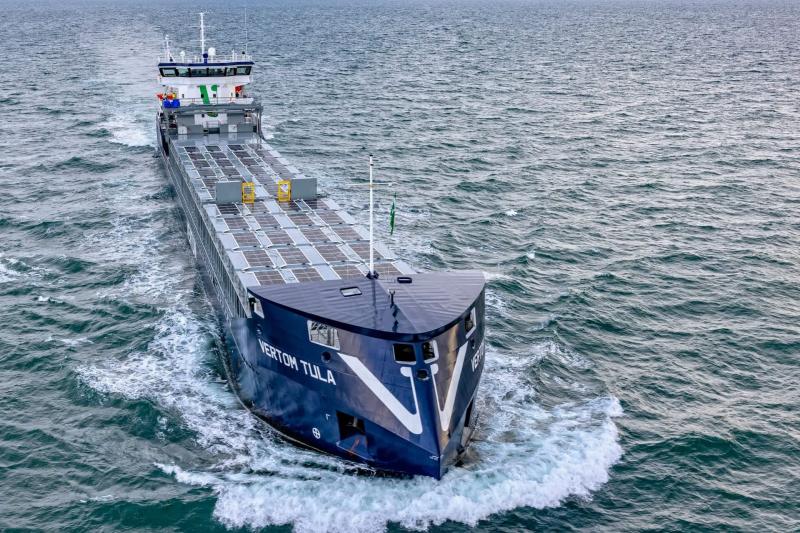
The system has been demonstrated on vessels, including Vertom Tula. On that ship, 44 solar panels reduced about 20% of the onboard hotel load, according to Wattlab. The company said the outcome supported lower fuel use while creating direct benefits for CO2 emissions and compliance with FuelEU Maritime and the EU ETS.
Developed with Dutch research organisation TNO and shipping company Vertom, the Solar FlatRack system is designed to work without affecting cargo operations. Wattlab said the panels can stay in place during loading or be stored if required.
The company is now seeking to extend the technology beyond Supramax vessels. Development is underway for Panamax and Capesize bulk carriers, while market interest is rising.
Bo Salet, CEO and co-founder of Wattlab, said solar power at sea was no longer an experiment but a working solution. He added that the company had already engaged with more than 200 international parties interested in applying Solar Flatracks across their fleets.