Thai authorities reported oil pollution spreading into tourist shorelines around Phuket on 25–26 February, calling the latest developments “worrying” as tar balls and clumped oil appeared on beaches and in shallow waters. Officials noted response work has been underway for 19 days at the wreck site, including dispersant spraying, while earlier winds initially kept much of the oil offshore.
On 26 February, westerly winds were reported to be driving slicks into the Racha Island tourist area, with impacts cited at Patok Bay, Tue Bay, Hila Bay, and Siam Bay. Reports described tar balls scattered across beaches and rocky stretches, oil staining offshore floats, and hardened lumps among the clumps.
Thailand’s Department of Marine and Coastal Resources warned that even small amounts of toxins from oil can damage coral reefs and cause long-lasting effects on rare marine animals. Cleanup teams were dispatched to manually collect tar balls, and shops and hotels were asked to remove oil residue from beaches immediately.
The Marine Department said it is monitoring the situation and received reports of tar balls spread along about 80–100 m of Kahang Beach on Koh Hey, a popular destination located about five miles (about 8,047 m) southeast of Phuket. Three days earlier, the agency reported an oil slick about three nautical miles (about 5,556 m) long to the southeast of the wreck, and said at that time the coral reef area of Koh Kaew Noi—around 1.1 nautical miles (about 2,037 m) north of the site—was clean.
Media reports said as much as 900 m of shoreline may be affected. Beaches remain open, but tourists have reported oil sticking to feet, bodies, and clothing.
Authorities said booms have been deployed, while media accounts described the number of booms as insufficient to prevent oil from reaching beaches. Dive operations aimed at stopping leaks were delayed amid cost negotiations between the vessel owner and an underwater survey team, with the first dive reported to have started on 26 February.
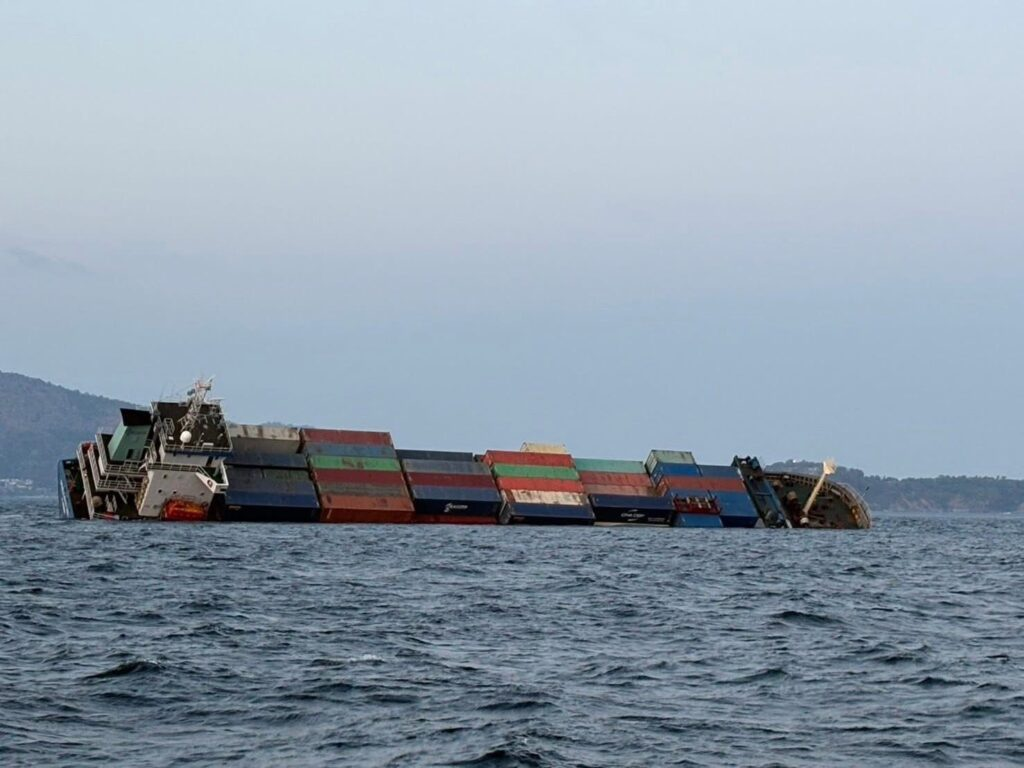
The 6,500 dwt Sealloyd Arc rolled onto its side on 7 February and sank several hours later after the Royal Thai Navy and local fishermen rescued all 16 crew. Divers located the wreck at a depth of 61 m, with the top of the stern mast about 14 m below the surface. The vessel is described as listing but sitting upright on the seafloor.
Thailand’s Incident Command Center said the ship carried about 98 tonnes of heavy fuel and 32 tonnes of marine diesel oil, plus 297 containers (218 in the hold and 79 on deck). Early reports said 14 containers were declared as hazardous on the manifest, with concerns focused on chemicals including hydrogen resin and ethyl alcohol. During a 19 February planning session, the command center stressed urgency ahead of seasonal sea-condition shifts expected in April that could raise risk levels, and noted the owner had appointed a local representative and that insurance coverage was in place for costs.