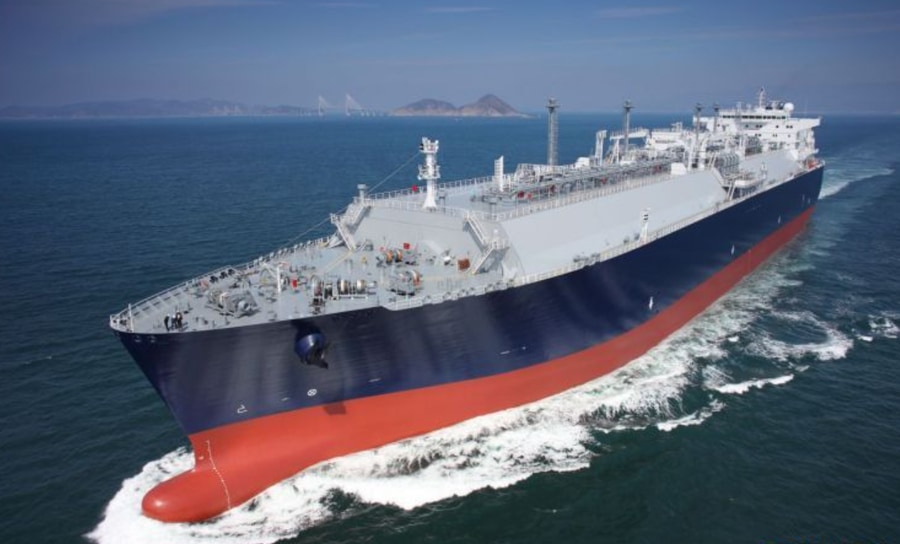
Samsung Heavy Industries has secured a 1.1242 trillion won ($756 million) contract to build three 174,000 m³ LNG carriers for Seapeak.
The agreement was announced on 18 May. Each vessel is valued at about $252 million, with deliveries planned for the first half of 2029.
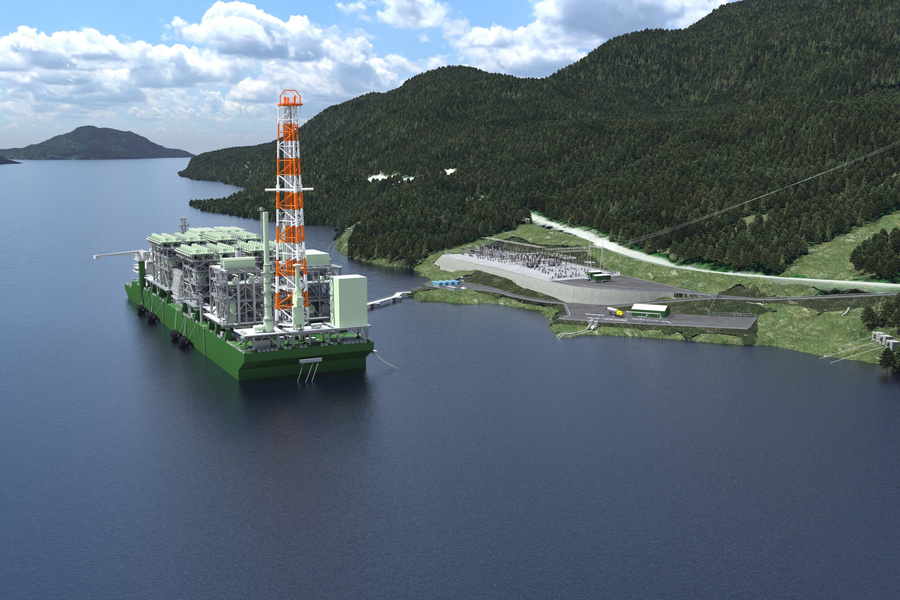
The latest deal follows other May orders for Samsung Heavy Industries in the gas carrier sector. The company secured orders for one LNG-FSRU and two additional LNG carriers, bringing May’s combined intake for six gas-related vessels to about $1.59 billion. The LNG-FSRU was ordered by Malaysia International Shipping Corporation, while the additional LNG carriers came from TMS Cardiff Gas.
So far in 2026, Samsung Heavy Industries has won orders for 22 vessels worth a combined $4.7 billion. The total includes 11 LNG carriers, one LNG-FSRU, two ethane carriers, two gas carriers, two container ships and four crude oil tankers.
The shipbuilder said geopolitical tensions in the Middle East and growing focus on energy security are increasing demand for high-efficiency LNG carriers. The company added that it plans to use its LNG carrier construction experience to support further order growth.
Although Samsung Heavy Industries did not identify the owner in its official announcement, Seapeak confirmed the order in its quarterly financial report. According to the owner, the three vessels will operate under 10-year charter agreements with an unnamed international energy company. Each contract also includes a five-year extension option.
The latest order expands the long-running partnership between Samsung Heavy Industries and Seapeak. In 2022, Seapeak ordered five 174,000 m³ LNG carriers from the Korean shipbuilder in a deal valued at about $1.2 billion, with deliveries extending through 2027. The companies signed another contract in 2025 covering two additional LNG carriers scheduled for delivery in the second half of 2028.
With the newly announced order, the two companies have now contracted a total of 10 LNG carriers together.
As of the end of March 2026, Seapeak operated a fleet of 49 LNG carriers, including seven vessels under construction. The company also operated an LNG regasification terminal in Bahrain and managed a fleet of 42 LPG, ethane and multi-gas carriers, including six newbuildings.