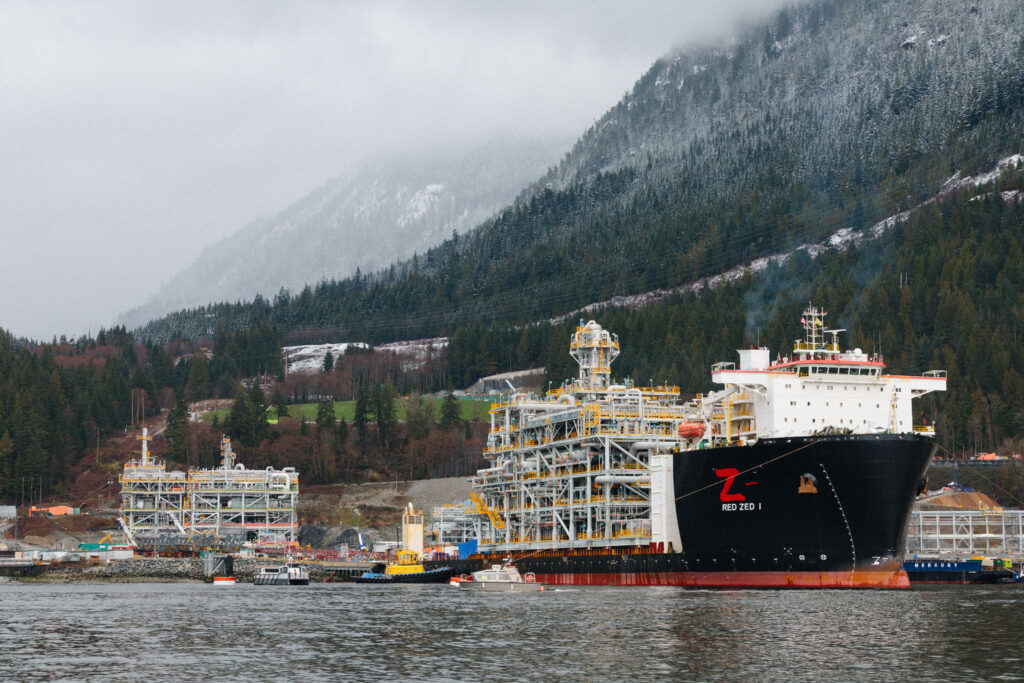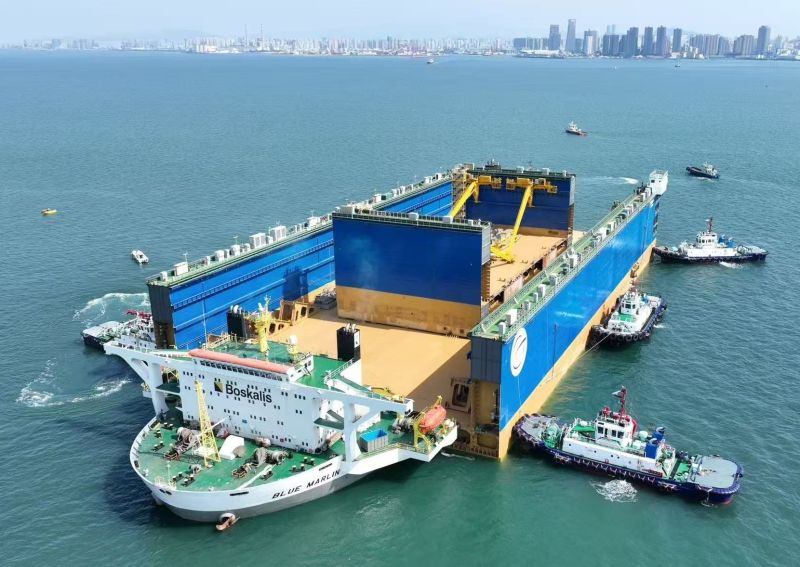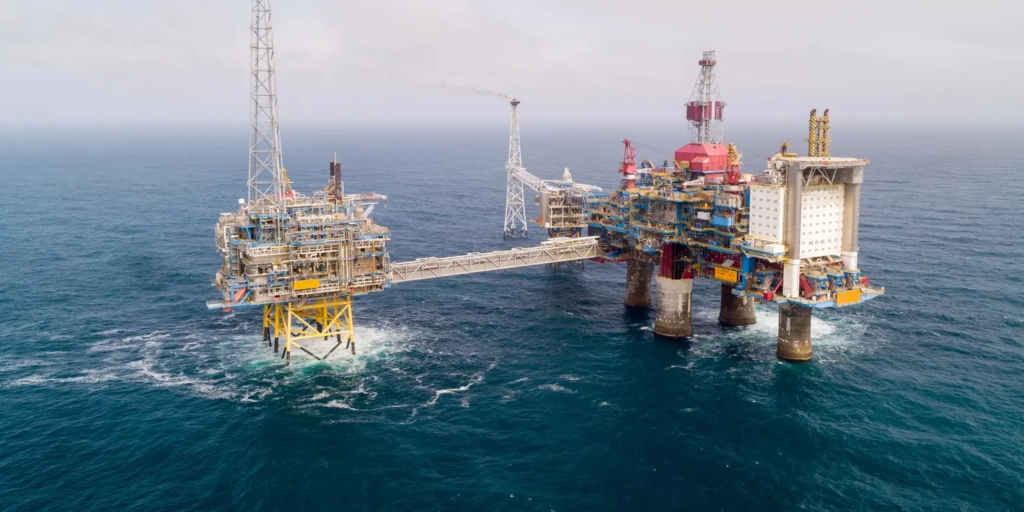
Equinor is in discussions with the new Government of Newfoundland & Labrador on whether major topsides modules for the Bay du Nord floating production, storage and offloading (FPSO) unit can be built in the province. Premier Tony Wakeham is pushing for local fabrication, while some industry voices question whether costs and the available skills base will be competitive.
The Bay du Nord field lies about 500 kilometres east of St. John’s in the Flemish Pass Basin. The project is operated by Equinor with partner bp, using a subsea production system tied back to an FPSO. Total investment for the initial development phase is estimated at about CAD 14 billion, with more than 400 million barrels of recoverable oil identified. Equinor is targeting a final investment decision in 2027 and first oil in 2031.
In September 2025, BW Offshore signed a Head of Agreement with Equinor Canada, confirming its status as preferred bidder for the Bay du Nord FPSO. The unit is being designed for harsh sub-Arctic conditions, with a processing capacity of up to 160,000 barrels per day, a disconnectable turret and extensive winterisation. Planned topsides systems include high-efficiency power generation with heat recovery, variable speed drives and a closed flare to reduce emissions.
Within Newfoundland & Labrador, the new Progressive Conservative administration faces strong expectations that the project will deliver significant fabrication work in the province. Progressive Conservative Party MHA Lloyd Parrott has warned that if Equinor proceeds with an FPSO lease rather than a newbuild, much of the required construction or refit work could be carried out overseas, limiting opportunities for local trades. He has called for any necessary FPSO construction or modification to be completed in the province as far as possible.
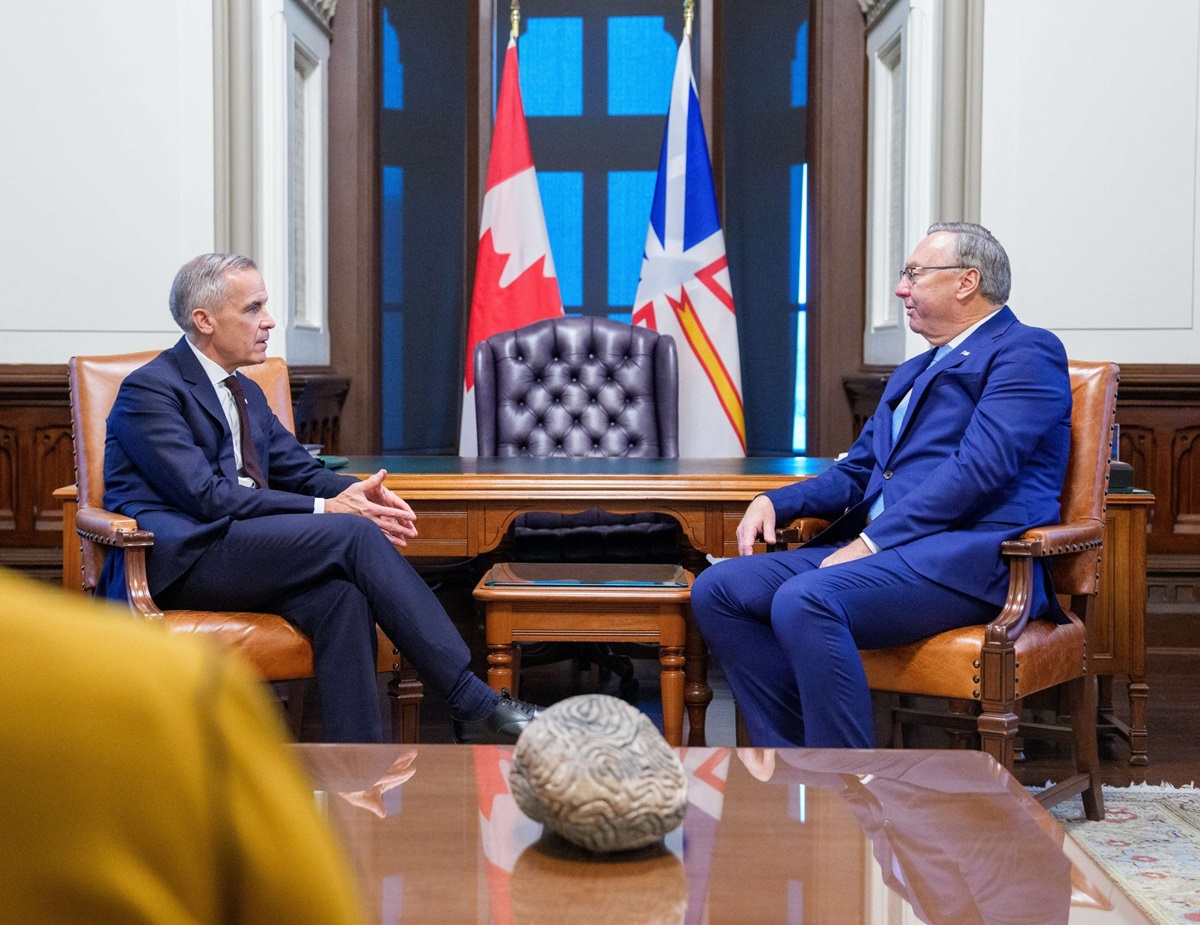
Premier Wakeham has indicated that Equinor plans to issue expressions of interest to test market capacity for building Bay du Nord topsides and major modules in Newfoundland & Labrador. For local yards and contractors, the EOI process is being framed as a key opportunity to demonstrate capability and pricing.
Construction unions and contractor groups are also pressing for full modules to be assembled in the province. Pipefitters union UA Local 740 has raised concerns that a large share of the FPSO scope — including hull work, topsides fabrication, mating and commissioning — could be performed abroad, leaving Newfoundland & Labrador with a more limited subsea workload. The union argues that this would reduce the employment potential of a multi-billion-dollar FPSO project.
Industry association Trades NL has pointed to the province’s track record on previous offshore developments, including Hibernia, Terra Nova, White Rose, Hebron and West White Rose, where topsides modular construction, integration and tow-out were executed in Newfoundland & Labrador. Through its “Build Right Here” campaign, Trades NL is calling for Bay du Nord work in the province to cover process and utilities modules, module mating, commissioning, start-up and the final tow-out of the FPSO.
According to UA Local 740, Bay du Nord would represent the sixth major offshore oil installation linked to Newfoundland & Labrador. The union cites earlier projects as evidence that the local workforce can deliver complex topsides packages and stresses the wider economic impact of direct offshore jobs on supporting industries.
For its part, Equinor states that, in line with the Atlantic Accord Acts, suppliers based in Newfoundland & Labrador will receive first consideration for Bay du Nord contracts when they are competitive on competence, cost, quality and delivery. The company has set up a contracts and procurement office in St. John’s to manage tenders and maintain dialogue with local industry organisations.
At the same time, Equinor and BW Offshore are working through pre-FEED activities and a planned bridging phase before full front-end engineering and design (FEED), which is expected to start in early 2026 subject to partner approvals. BW Offshore has committed to opening a local office in Newfoundland during FEED, meaning that part of the FPSO engineering and project management work will be handled from the province.
The amount of topsides work that will ultimately be carried out in Newfoundland & Labrador has not yet been determined. Equinor, its partners and the provincial government are continuing negotiations on industrial benefits and local content commitments ahead of the final investment decision, including how much of the FPSO module fabrication will be awarded to Canadian yards versus overseas facilities.