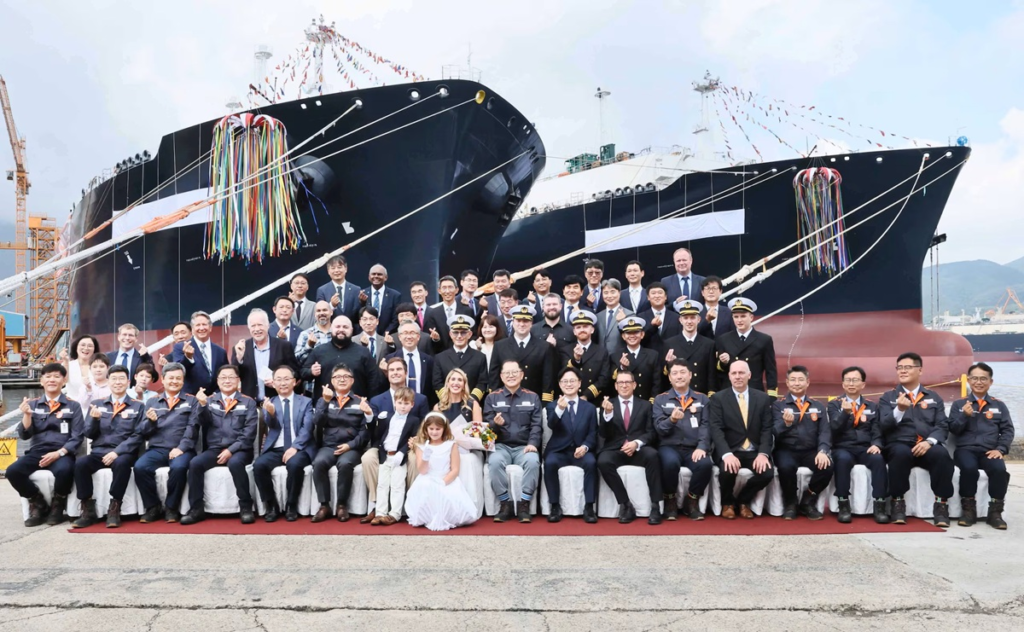
A fresh wave of contracts for South Korea’s leading shipyards has deepened a long-running labour crunch, forcing the industry and government to lean more heavily on migrant workers even as resistance grows in key shipbuilding regions.
Local communities and unions in shipyard hubs argue that major builders should first improve pay to attract Korean workers. They also complain that many foreign workers spend only a small share of their income in the local economy, limiting the wider benefits of the current order boom.
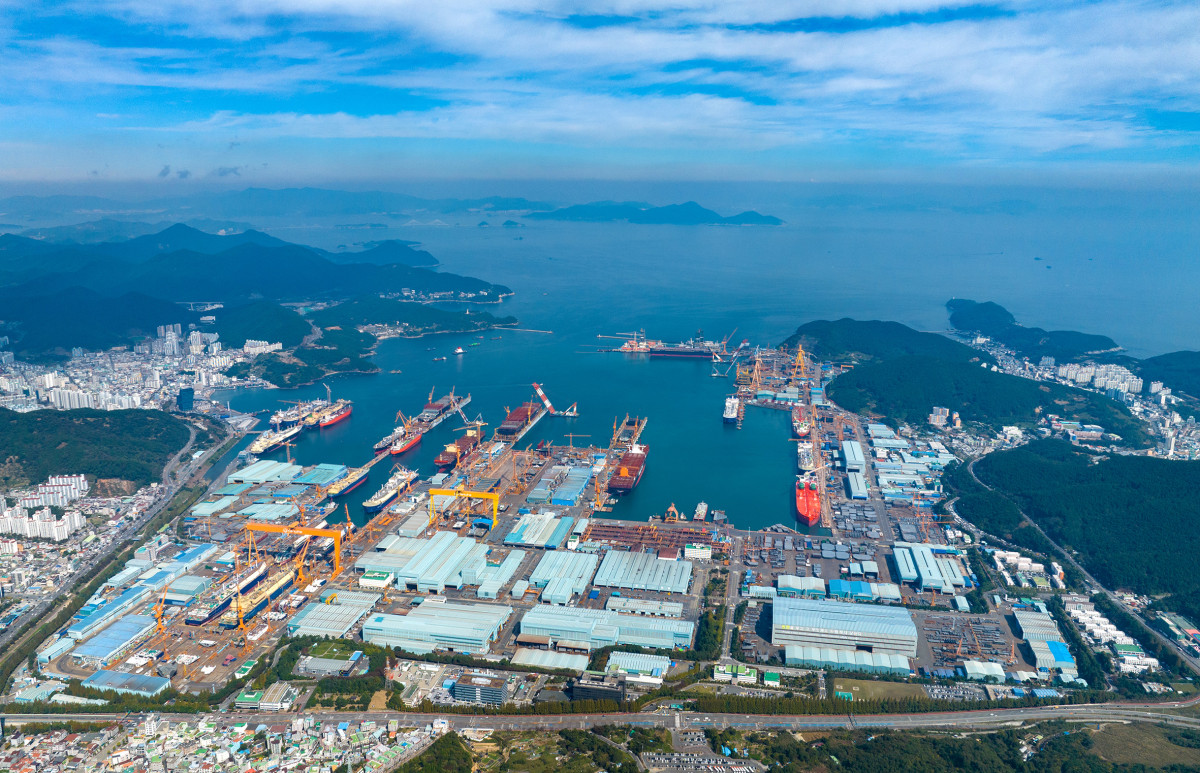
Geoje City in South Gyeongsang Province – home to the yards of Hanwha Ocean and Samsung Heavy Industries – has become a focal point of these tensions. On 24 November, Mayor Byun Kwang-yong (transliterated) submitted a formal request to South Korea’s Ministry of Employment and Labor, asking the central government to scale back visa quotas for foreign workers. City data show that as of October, the number of foreign permanent residents in Geoje City exceeded 15,000, more than three times the level recorded five years earlier.
Mayor Byun said visa policy now has to be recalibrated if the shipbuilding sector and the regional economy are to grow together. He stressed that the sharp rise in foreign labour has neither helped workers settle into local society nor generated strong local consumption. By gradually reducing visa allocations, he argued, Geoje City should move toward a more stable workforce built around Korean skilled workers.
A similar debate is unfolding in Ulsan City, which hosts the Ulsan yard of HD Hyundai Heavy Industries. On 24 November, Ulsan residents and Korean shipyard workers held a press conference opposing Mayor Kim Du-cheon’s (transliterated) plan to expand a special visa quota for foreign workers.
The mayor’s plan is designed to secure manpower for Ulsan’s shipyards, with 440 migrant workers from Uzbekistan, Thailand, Vietnam and Indonesia expected to be deployed to local yards by the end of next year. Ulsan City’s government says the programme is intended to stabilise the labour supply and strengthen industrial competitiveness in the region.
Residents and local workers counter that excessive dependence on overseas labour will, over time, erode the technological base and competitiveness of South Korea’s shipbuilding industry. They also claim that the influx of short-term foreign workers has contributed to higher housing vacancy rates and is putting additional strain on the local economy.
As the main production bases for South Korea’s three large builders, Geoje City and Ulsan City are facing acute labour shortages that industry figures warn could seriously disrupt ship construction schedules, particularly while global demand for new ships remains strong.
So far this year, Hanwha Ocean has booked orders for 41 new vessels worth about $7.7 billion. Samsung Heavy Industries has secured contracts for 39 new merchant ships valued at roughly $6.1 billion, already surpassing its annual target. HD Hyundai Heavy Industries has also obtained multiple new orders this year.