HII has signed long-term performance-based production agreements with GrayMatter Robotics and Path Robotics covering up to $900 million in potential shipbuilding work over seven years.
The agreements are part of HII’s High-Yield Production Robotics, or HYPR, Program and are aimed at developing and deploying physical AI automation for U.S. Navy shipbuilding programs.
The scope covers aircraft carriers, submarines, destroyers, amphibious ships, future frigates and unmanned surface vessels.
Any work awarded under the agreements will depend on GrayMatter Robotics and Path Robotics meeting specified technology, manufacturing readiness and performance milestones.
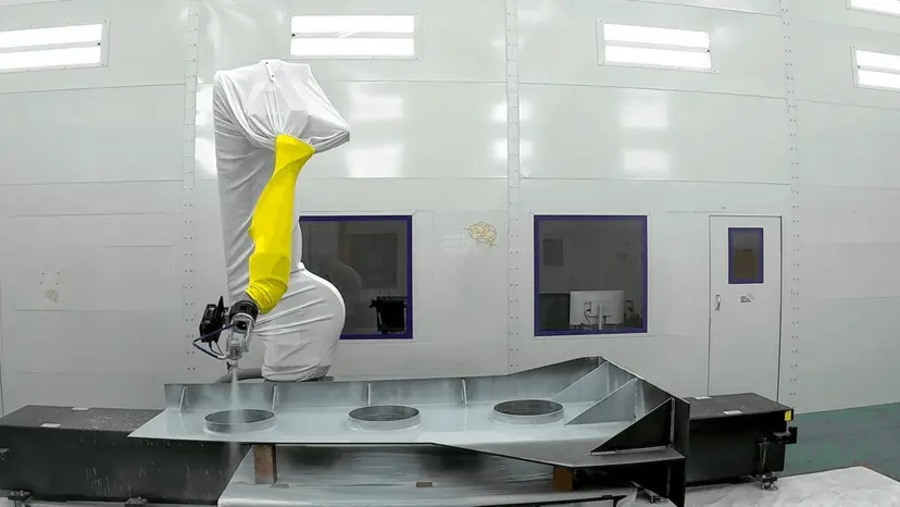
The program is structured around two stages. During the Navy-grade development stage, the two robotics companies will work with HII on high-precision autonomous production methods covering welding, grinding, blasting, painting, assembly, inspection and other fabrication processes.
The technologies will be validated and qualified before being integrated into an autonomous production line. Testing, qualification and oversight will be used to assess compliance with U.S. Navy shipbuilding standards.
During the delivery stage, HII plans to source shipbuilding work from GrayMatter Robotics and Path Robotics, subject to favorable cost, schedule and quality performance.
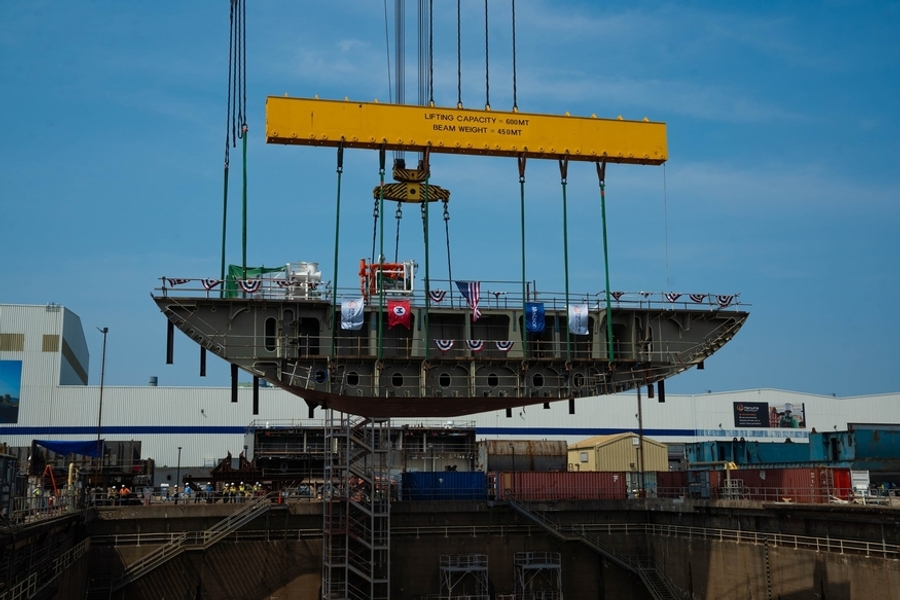
The planned production work will form part of HII’s distributed shipbuilding strategy. Initial activity is expected to involve small steel structures, with the scope later extending to units and modules.
Eric Chewning, executive vice president of maritime systems and corporate strategy at HII, said the company is investing in additional shipbuilding capability and capacity while pursuing automation suited to the complexity, production mix and size of naval construction.
The agreements are intended to provide sustained demand that allows GrayMatter Robotics and Path Robotics to make longer-term investments in robotics, autonomous systems, facilities and workforce.
The performance-based production agreements sit alongside other HYPR arrangements covering collaboration, joint development, governance, program execution and long-term operational alignment among the companies.
In 2026, HII plans to outsource more than 2.5 million hours of shipbuilding work, 30% more than in 2025. The company is also expanding its structural assembly partner network to increase the amount of work completed outside its shipyards before final assembly.