Maritime expert Darren Shelton recently drew wide attention on LinkedIn with his post titled “The Man Who Escaped Hitler and Invented Heavy Lift Shipping.”
The story quickly spread through the shipping community, prompting many to revisit the legacy of Hans Kahn, the man widely credited with pioneering the heavy-lift shipping sector through the founding of Jumbo Maritime in 1968.
According to historical records, Kahn was born in Berlin in 1922 and left Germany during World War II before settling in the Netherlands. After the war, he founded Kahn Scheepvaart B.V. in Rotterdam in 1948 and began small-scale charter operations, including livestock shipments for Borchard Lines.
During the 1960s, when global shipowners were fixated on containerization, Kahn took a different view. He focused on the growing need to move cargo that could not fit into containers — turbines, cranes, locomotives, and prefabricated industrial modules — and envisioned ships designed specifically for those tasks.
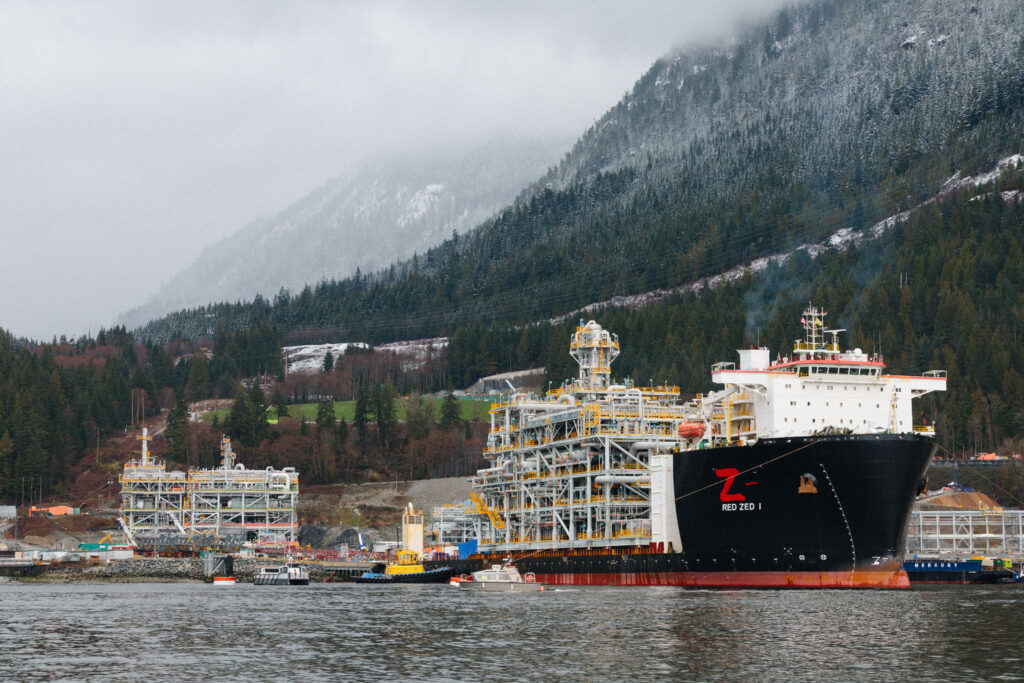
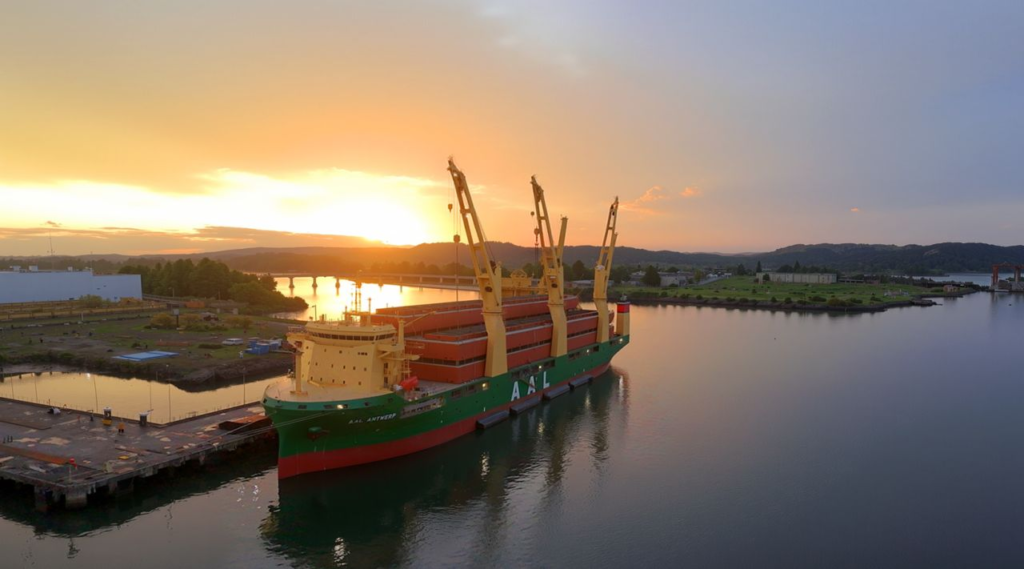
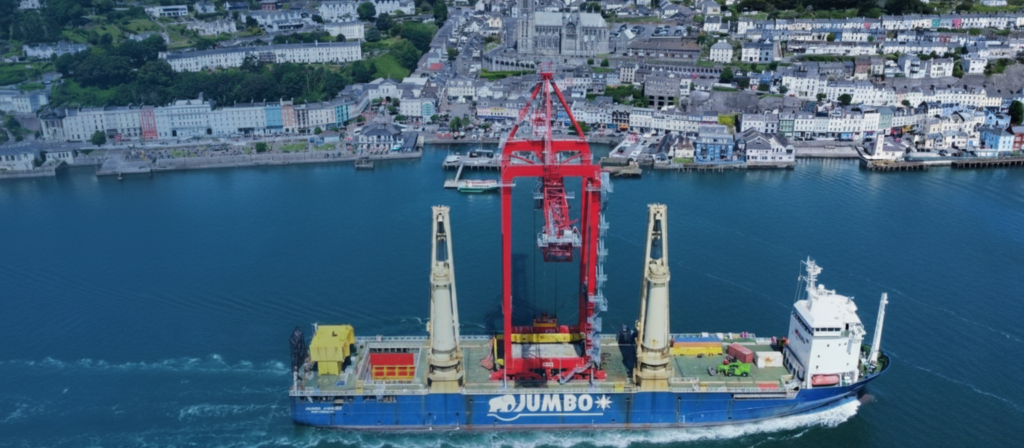
That vision became reality with the creation of Jumbo Maritime, which introduced purpose-built heavy-lift vessels equipped with large cranes, open holds, and movable decks. These ships allowed entire pieces of equipment to be transported intact, reducing time, cost, and risk for complex industrial projects.
Under Kahn’s leadership, Jumbo’s lifting capacity expanded steadily — from early derrick systems of around 12 tons in the 1950s to more than 3,000 tons by the early 2000s — reflecting the evolution of heavy industry itself.
Kahn was known for his pragmatic philosophy, often summarized by colleagues as: “Always worry about performance — profits will follow.”
By the time of his passing in 2018, Jumbo Maritime had become one of the world’s best-known names in project-cargo and heavy-lift logistics, setting the foundation for a global network that continues today.
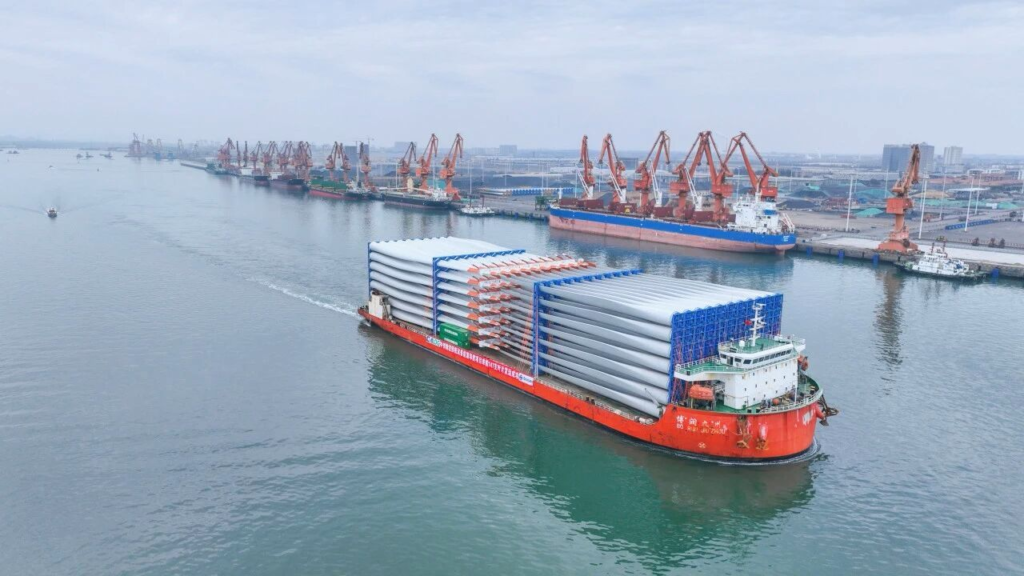
Shelton’s decision to spotlight Kahn’s story comes at a time when heavy-lift shipping is again central to industrial transformation — not because of containerization, but because of decarbonization.
As offshore wind farms, hydrogen plants, and floating LNG facilities multiply, logistics providers face the same fundamental question Kahn asked more than half a century ago:
How do you move the cargo that doesn’t fit the mold?
Modern operators such as Jumbo Maritime and SAL Heavy Lift are developing new-generation vessels with hybrid propulsion, optimized hulls, and wind-assist systems — direct descendants of Kahn’s “design for purpose” philosophy.
Kahn’s legacy lies not only in the ships he built but in the way he reframed a problem: performance first, purpose before profit.
And as Shelton’s viral post reminds the maritime world, some questions never lose relevance — especially the one Hans Kahn asked in 1968.