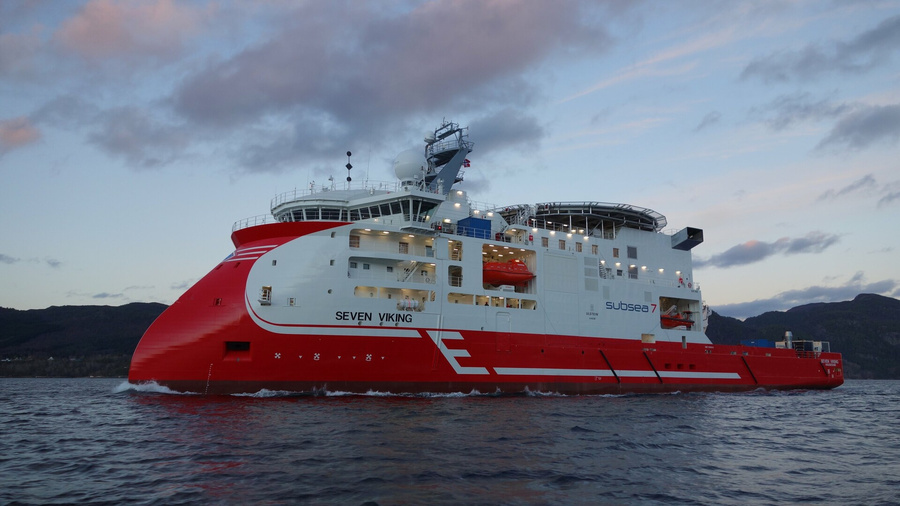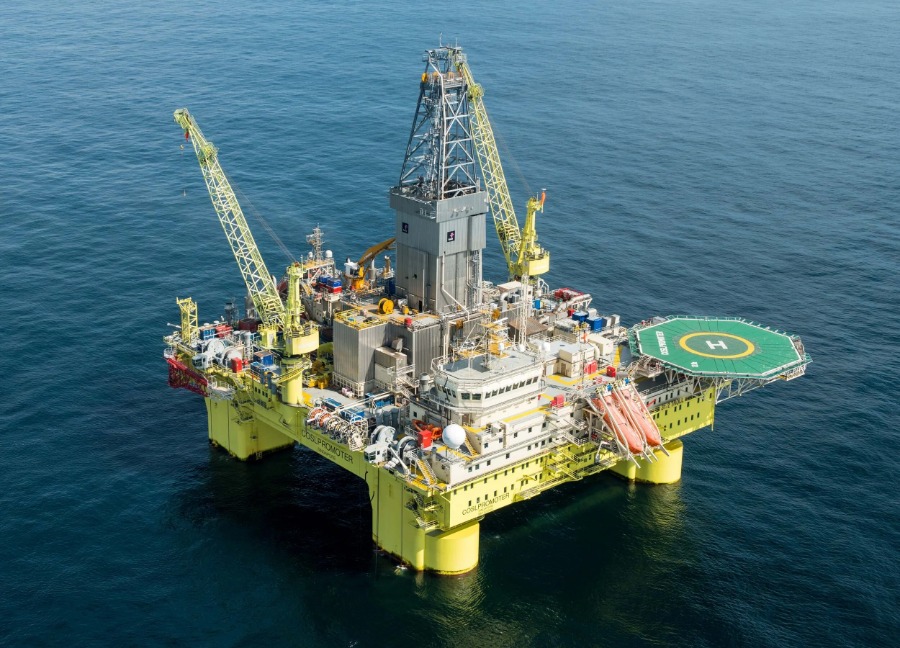
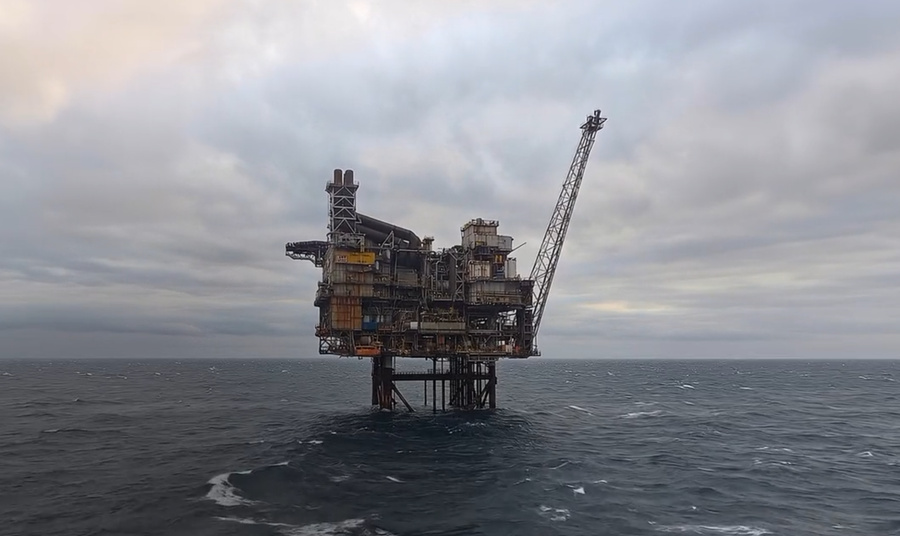
Offshore Energies UK (OEUK) has warned that UK decommissioning programmes and offshore wind developments could compete for specialist vessels, heavy-lift capacity and port infrastructure over the next decade, with potential consequences for project costs and delivery schedules.
The association’s 2026 Decommissioning Insight forecasts expenditure of £24.7 billion across the UK Continental Shelf (UKCS) between 2026 and 2035. The projected workload covers more than 1,800 wells, 135 topsides and 126 substructures, with spending expected to remain historically high through 2031.
Well decommissioning is expected to remain the largest area of activity. Offshore infrastructure removal, subsea operations, dismantling and recycling are projected to become increasingly prominent as the decade progresses.
The report identifies two periods when demand from the two industries could place particular pressure on the offshore supply chain. Annual additions to offshore wind generating capacity are projected to peak at 5.20 GW in 2029, followed by more than 3 GW annually between 2031 and 2035. Both periods overlap with substantial decommissioning programmes.
Geographically, the Central North Sea is expected to account for 56% of projected decommissioning spending. Maintaining continuity of work will be important as specialist resources transition from programmes in the Northern North Sea and west of Shetland towards longer-term activity east of Scotland.
OEUK cautioned that an extensive project pipeline does not guarantee the availability of resources required to execute the work. Earlier contractual commitments and better coordination between operators and developers will be needed to support investment by offshore contractors and service providers.
The association outlined five priorities: improving advance visibility of confirmed work schedules, combining compatible work scopes, reserving specialist resources earlier, expanding port and recycling infrastructure, and improving transparency in project delivery and economic reporting.
UK-based businesses secured 71% of the decommissioning contract value awarded in 2025, highlighting the potential to retain industrial capabilities and employment within the country.
Mark Wilson, OEUK’s energy operations director, called for coordinated scheduling and earlier commercial commitments across both industries to reduce the risk of resource shortages, contain costs and support investment in equipment, facilities and personnel.