Natural Power has highlighted invasive non-native species (INNS) as an environmental issue requiring attention as offshore wind infrastructure expands.
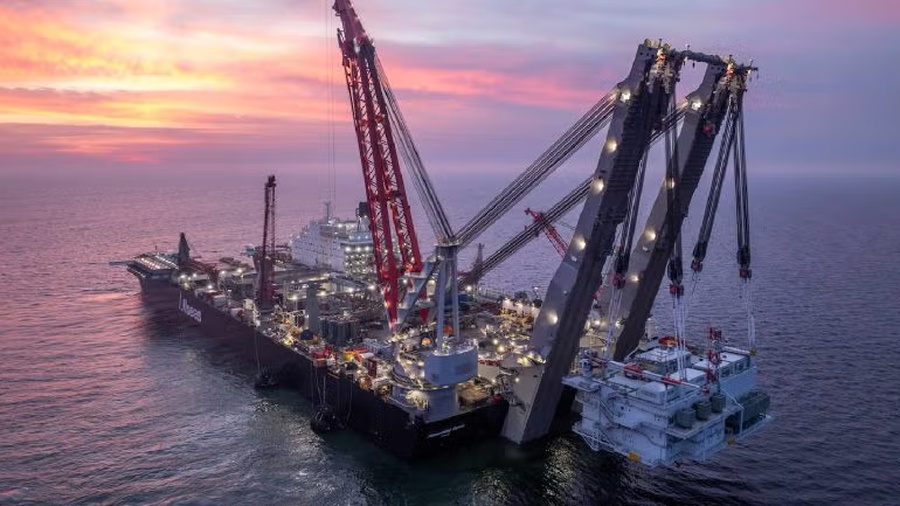
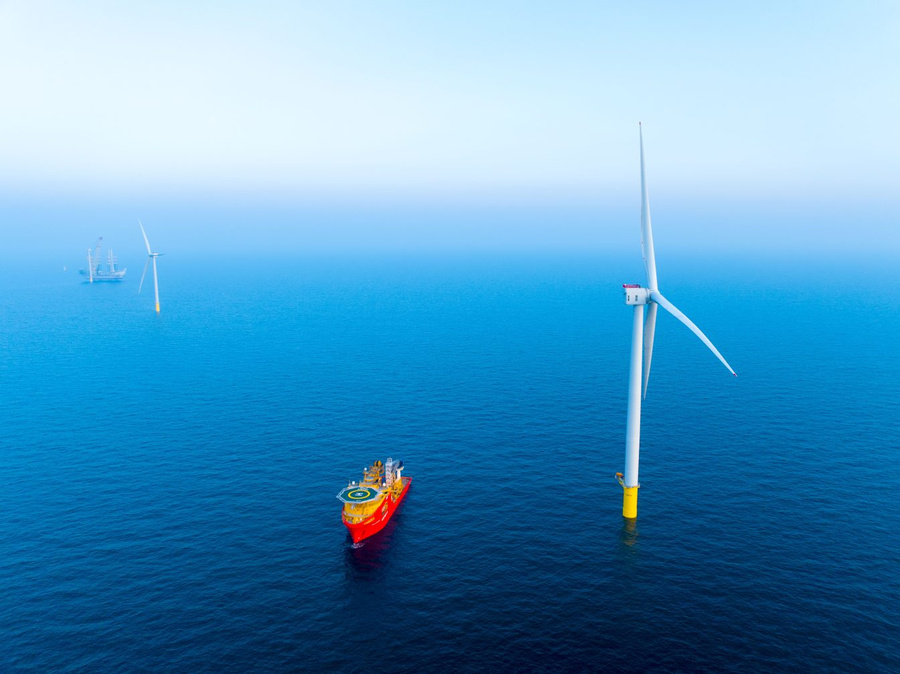
Offshore wind foundations, substations, scour protection, cables and floating structures introduce hard surfaces into marine environments where organisms can settle. While this can provide habitat for marine communities, the same infrastructure may also provide routes for non-native species to establish and spread.
The issue can extend across the lifecycle of an offshore wind project. Construction and maintenance vessels, marine growth removal, subsea inspections and decommissioning activities can all interact with marine ecosystems. Natural Power identified baseline surveys, continued monitoring and biosecurity planning as measures relevant to managing these risks.
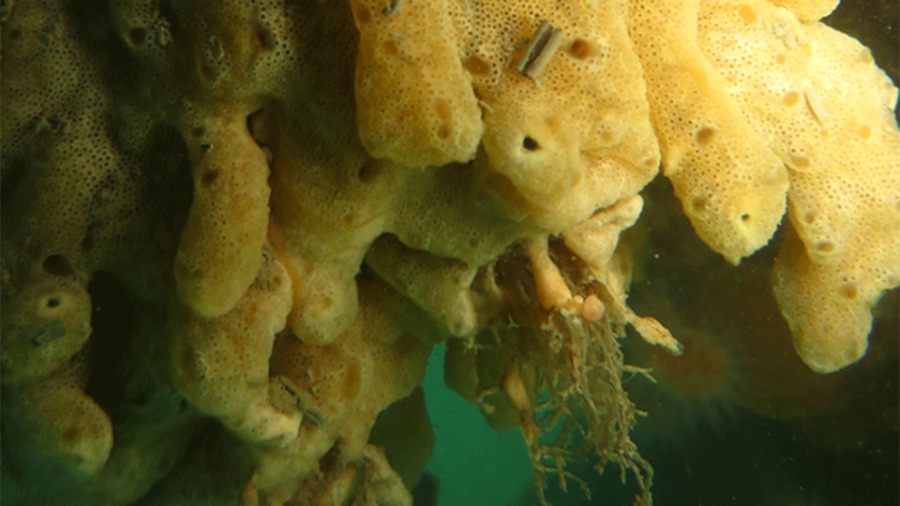
A marine growth assessment conducted by Natural Power at the Inch Cape Offshore Wind Farm meteorological mast examined the structure after nine years in the marine environment. The survey found extensive epifaunal growth, species of conservation interest and diverse habitats from the waterline to the seabed. No invasive non-native species were recorded.
In UK waters, environmental assessments for offshore wind developments have identified slipper limpet and carpet sea squirt as species requiring consideration. According to Natural Power, both can compete with native organisms and affect habitat structure if they become established and spread.
Monitoring methods available to offshore wind projects include video surveys and marine growth assessments. Environmental DNA, or eDNA, monitoring is also emerging as a technique that could help identify invasive species risks at an earlier stage.
Michelle Elliott, Principal Environmental Consultant at Natural Power, said biosecurity considerations should form part of environmental management as offshore wind development increases. The company also highlighted the need to consider invasive species when introducing nature-inclusive design and habitat enhancement measures to offshore infrastructure.