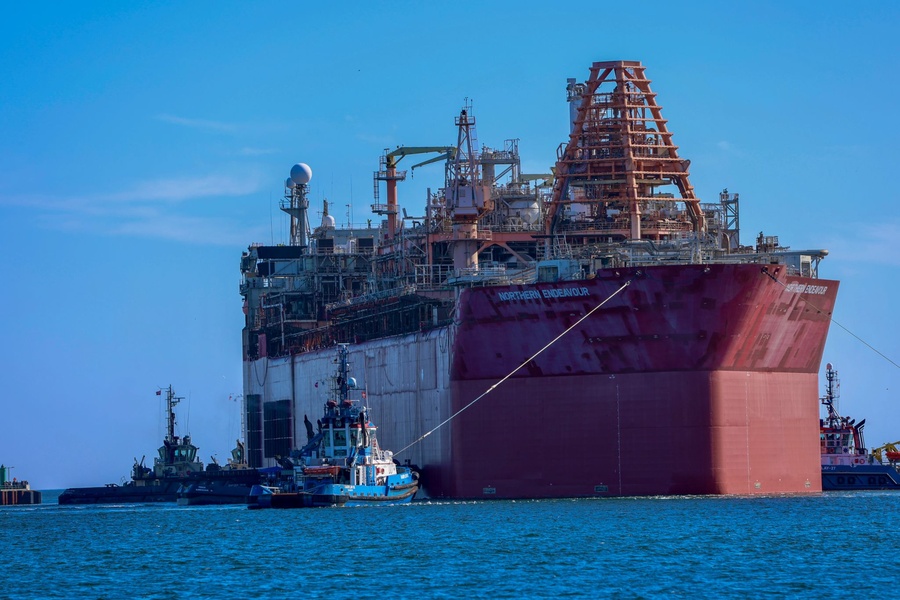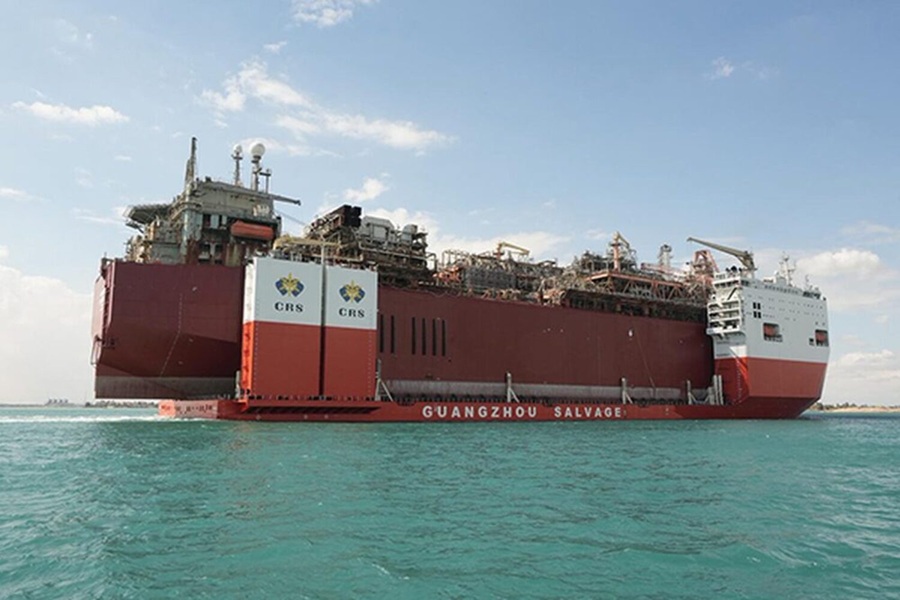
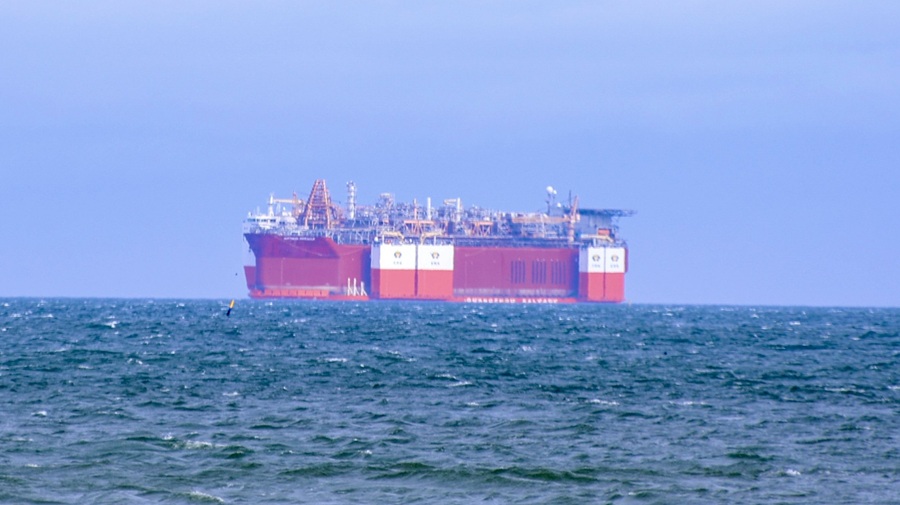
The export of the decommissioned FPSO Northern Endeavour has drawn fresh scrutiny after the vessel arrived in Denmark, with permit handling and hazardous waste controls becoming the focus of renewed criticism around the project.
The issue centres on conditions tied to the vessel’s decommissioning. Once a ship is classified as waste and prepared for overseas dismantling, cross-border movement requires the relevant approvals under domestic law and international rules. A condition attached to the project stated that permits or approvals needed for transport, import or export had to be obtained before the FPSO left its operating area.
Questions intensified after freedom of information material cited in the dispute indicated officials were still discussing an import permit in late October 2025. That timing attracted attention because Northern Endeavour had already left the Laminaria and Corallina fields in the Timor Sea on 24 September 2025 and entered Singaporean waters on 13 October 2025.
The matter has also brought the Basel Convention back into focus. The treaty governs transboundary movements of hazardous waste and was adopted in 1989 in response to concerns about waste being sent to developing nations. Australia signed the convention in 1989 and ratified it on 5 February 1992, with effect three months later.
The Australian Conservation Foundation said the FOI material raises concerns that the vessel’s export for overseas disposal may not have met Australian and international requirements. The group has written to the Department of Climate Change, Energy, the Environment and Water over whether the Commonwealth environmental approval and Basel Convention obligations were properly addressed.
The case has added to broader debate over how Australia manages offshore oil and gas decommissioning. The Maritime Union of Australia said the documents point to a serious transparency gap in the regulation of hazardous waste linked to offshore infrastructure and ageing vessels.
Industry scrutiny has also extended to the decision to send the FPSO overseas for dismantling rather than process the work in Australia, with critics arguing the case highlights wider weaknesses in the current decommissioning system.