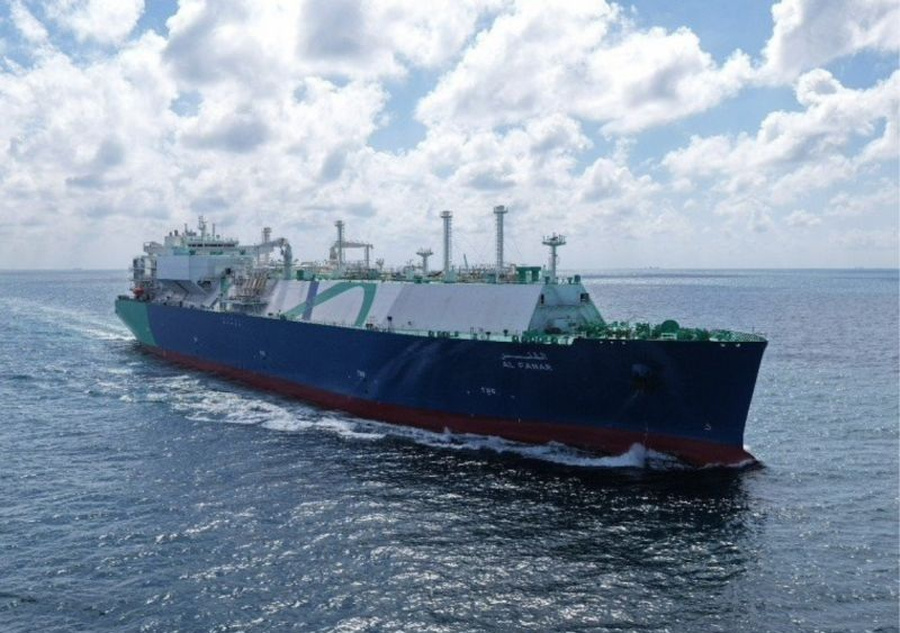
Japan’s shipbuilding industry is moving to resume LNG carrier construction for the first time in seven years, supported by shipbuilder consolidation and a national plan to expand production capacity.
Discussions between the Japanese government and private shipbuilders began on 19 March, according to industry sources. The move would mark Japan’s return to LNG carrier construction after Mitsubishi Heavy Industries and Kawasaki Heavy Industries each delivered one vessel in 2019.
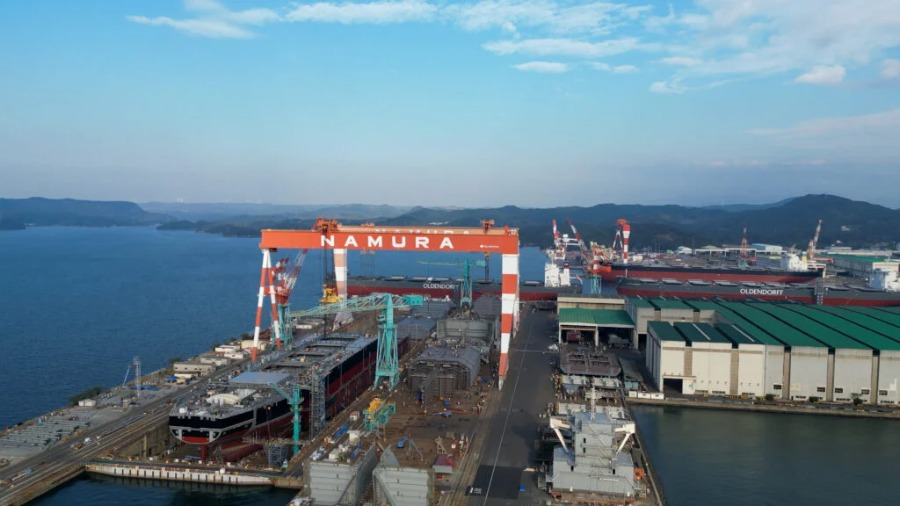
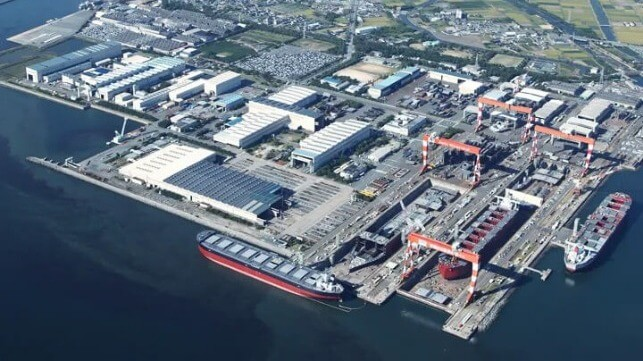
One proposal under discussion would have Imabari Shipbuilding use part of Oshima Shipbuilding’s yard facilities to build LNG carriers. Oshima Shipbuilding is known for bulk carrier construction, including Handymax, Supramax and Kamsarmax vessels, and also carries out repair, refit, and steel structure work.
The restart follows restructuring in Japan’s shipbuilding sector. In June 2025, Imabari Shipbuilding announced plans to bring Japan Marine United into its subsidiary structure through a share acquisition. In January 2026, it completed an equity transfer with JFE Holdings and IHI Corporation, acquiring 15% from each and lifting its stake in Japan Marine United to 60%.
Reports said the increase in scale from the merger has lifted the group into the ranks of the world’s largest shipbuilding companies. The move is part of a broader effort in Japan to strengthen domestic shipbuilding capacity.
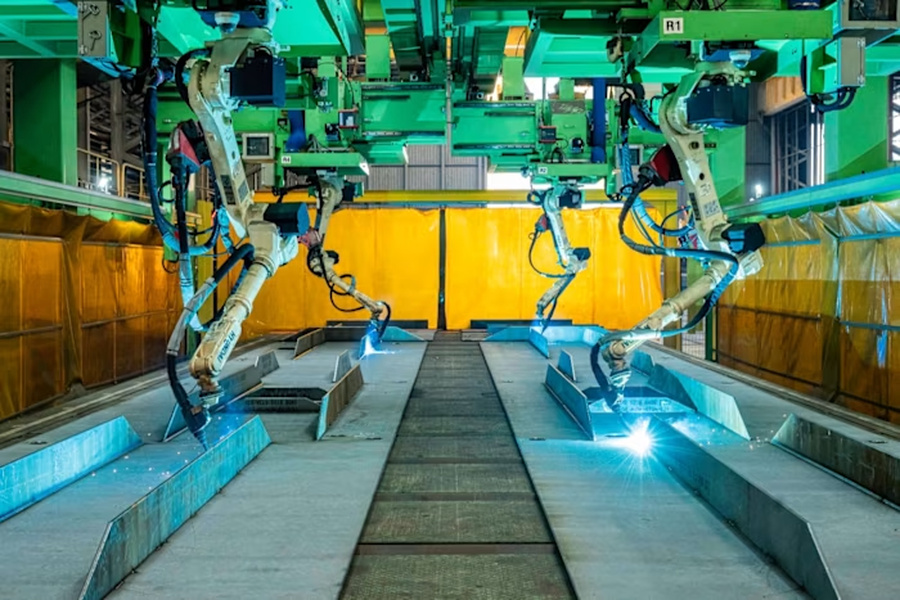
The Japanese government has set a target of doubling national shipbuilding capacity from about 9.08 million gross tons by 2035. The plan includes JPY 1 trillion in public and private investment over the next decade, the introduction of automated equipment from 2028, and a wider production expansion in 2034 supported by additional dry dock capacity.
Japan still faces hurdles in re-entering the LNG carrier segment. South Korea’s shipbuilding industry has assessed that the move is unlikely to have a major short-term effect on Korean yards, although it remains a development worth watching. Japanese shipyards currently have no LNG carrier backlog, which means rebuilding their position in the market is expected to take time.
Another challenge is cargo tank technology. Japanese yards have traditionally focused on Moss-type LNG tanks, while membrane-type systems now dominate the market. Membrane systems are known for better space use because they can be fitted to hull form, but they also require a high level of technical capability. Major yards in China and South Korea, including Hudong-Zhonghua, Jiangnan Shipyard, Dalian Shipbuilding Industry Corporation, HD Hyundai Heavy Industries, HD Hyundai Samho, Hanwha Ocean, and Samsung Heavy Industries, use membrane-type systems.
Moss-type tanks are seen as stable in transport, but their spherical structure leaves less efficient use of space. Japanese yards also face higher raw material and labour costs than Chinese competitors, reducing their pricing advantage.
Even so, Japan’s return to LNG carrier construction is drawing industry attention because of the country’s long track record in shipbuilding and its past experience in the LNG carrier segment.