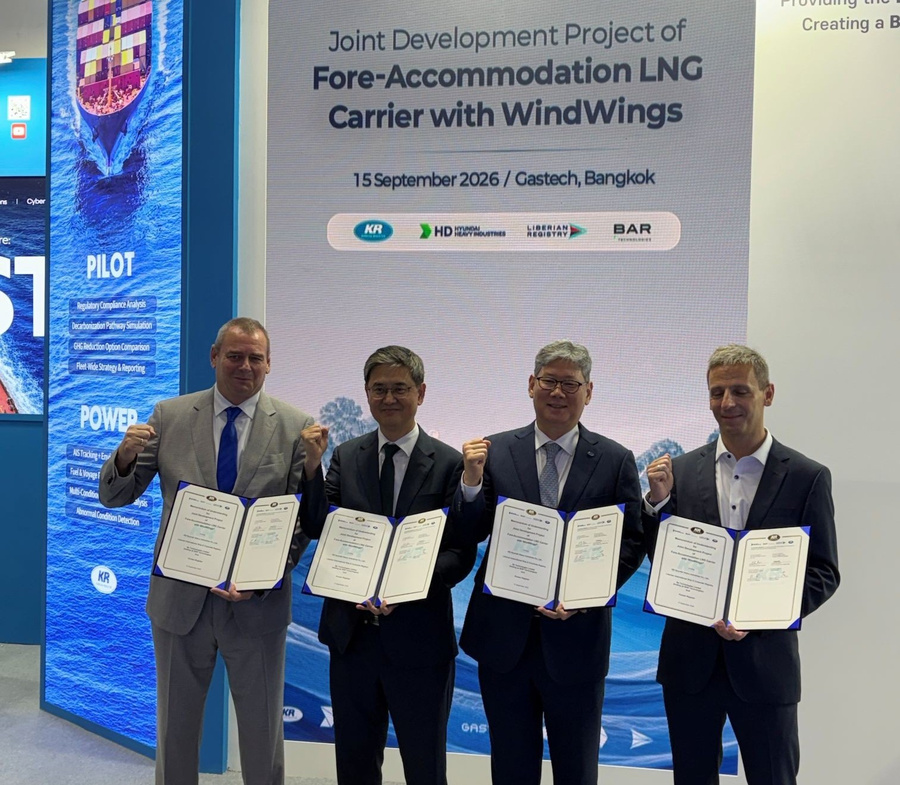

The Korean Register (KR) has launched two digital platforms, PILOT and POWER, developed to support shipowners as they navigate tightening greenhouse gas (GHG) requirements and seek practical, data-based pathways to reduce emissions.
With EU ETS and FuelEU Maritime already in effect, and the IMO postponing adoption of its Net-Zero Framework, uncertainty around long-term regulatory direction continues to grow. In this environment, shipowners are looking for tools that evaluate emission-reduction options, operational efficiency, and compliance costs using reliable data. KR stated that the new platforms were created to meet these needs and strengthen decision-making across global fleets.
KR Chairman & CEO Lee Hyungchul said the maritime sector must address a dual challenge: developing effective decarbonisation strategies while maintaining operational performance amid evolving regulatory conditions. He noted that PILOT and POWER incorporate KR’s longstanding technical expertise and analytical capabilities, enabling shipowners to develop strategies aligned with regulatory developments and long-term sustainability objectives.
Digital Platforms
PILOT (Platform for Insightful Low-emission Transitions) allows users to design vessel-specific GHG-reduction scenarios by applying each ship’s technical specifications and operational data. The platform calculates emissions, compliance costs, and reduction potential using information submitted to the IMO and the EU, while assessing the impact and cost performance of energy-saving devices (ESDs) and alternative fuels. PILOT also simulates potential regulatory changes to support mid- and long-term planning.
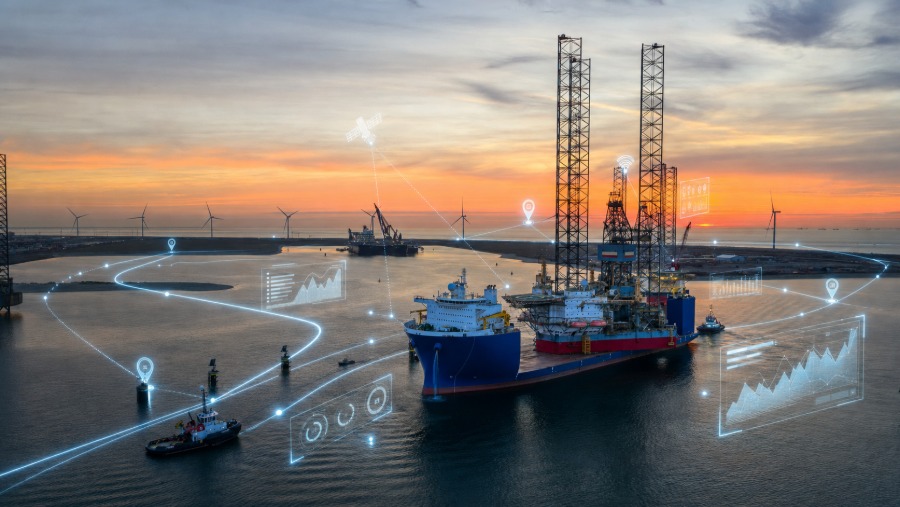
POWER (Performance evaluation for Operational characteristics, Weather & aging Effect, and fuel consumption Review) visualises vessel performance and fuel efficiency by analysing AIS data alongside weather and ocean conditions. KR explained that the platform helps operators understand current operational behaviour, identify areas requiring improvement, and develop data-driven voyage strategies.