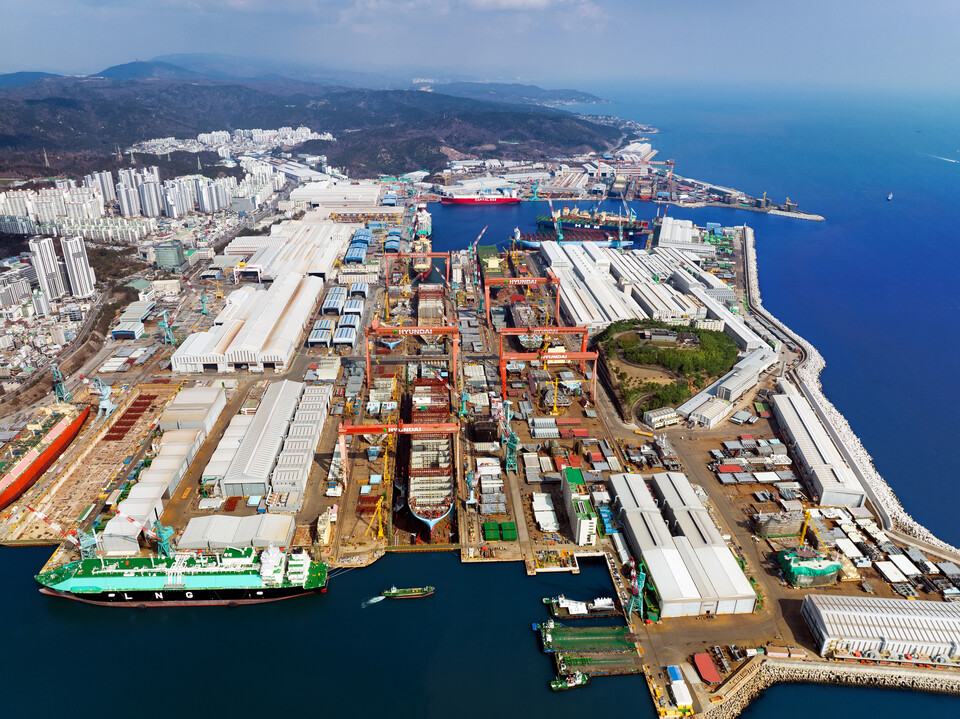
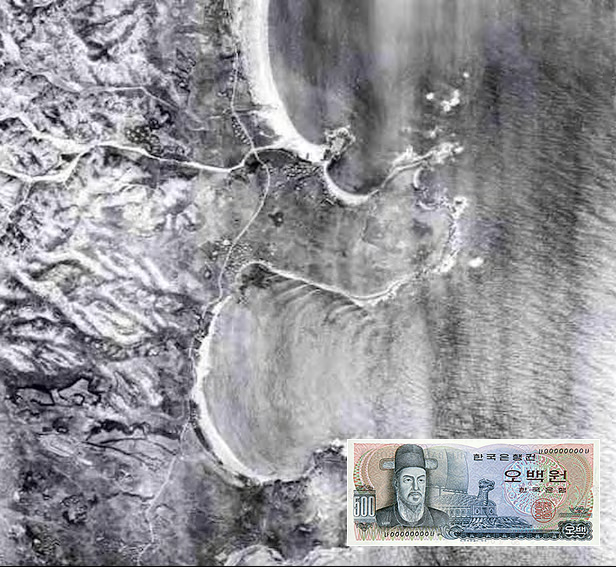
HD Hyundai Heavy Industries began its rise in 1972, when construction started on a new shipyard in Ulsan’s Mipo Bay at a time when South Korea’s shipbuilding capacity stood at roughly 500,000 GT per year—less than one percent of the global market. The country’s largest domestically built vessel had been around 17,000 tons, and international skepticism, particularly from Japan, centered on whether Korea possessed the technology to construct large commercial ships. Despite this climate, founder Chung Ju-yung moved ahead with the plan, presenting photographs of the undeveloped shoreline and British shipyard blueprints while securing financing abroad. His reference to the 500-won banknote featuring the historic Turtle Ship later became symbolic of the company’s determination.
In 1974, the shipyard and the company’s first vessel—the 260,000-ton supertanker Atlantic Baron—were completed. President Park Chung-hee and First Lady Yuk Young-soo attended the naming ceremony at the Ulsan yard. The second vessel, the Atlantic Baroness, followed the same year.
HD Hyundai broadened its capabilities later in the decade with the development of South Korea’s first domestically designed frigate. Work on what would become the Ulsan-class began in 1975. The lead ship, Ulsan, was launched on 8 April 1980 and was commissioned into the Republic of Korea Navy on 30 December 1980.
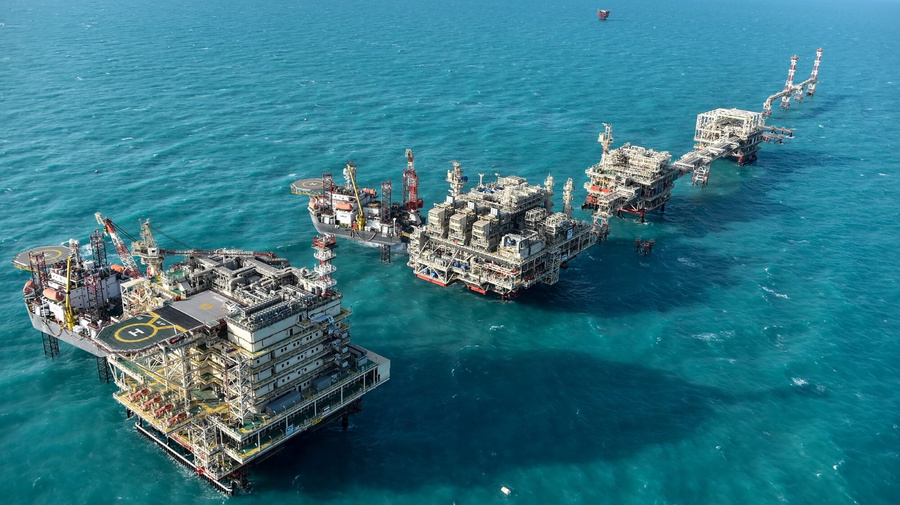
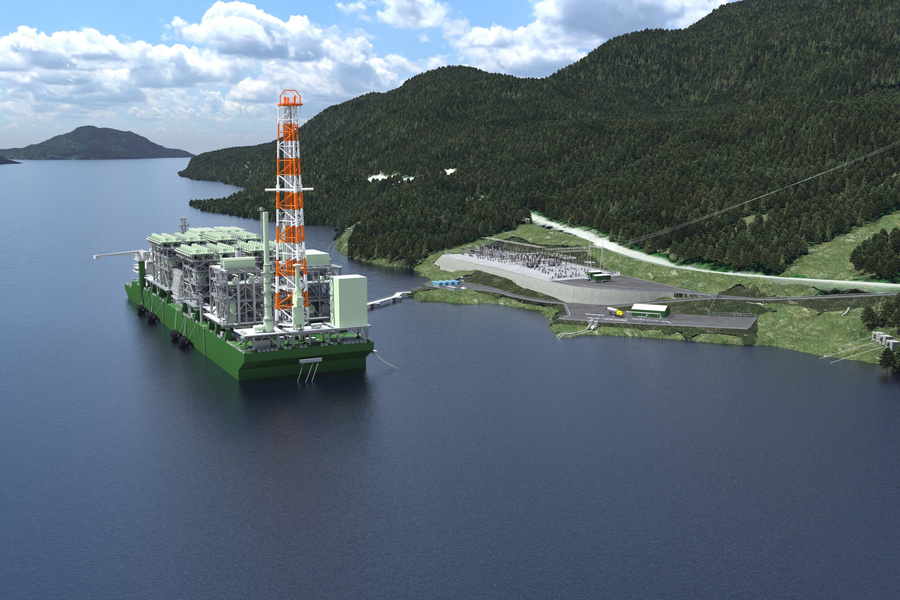
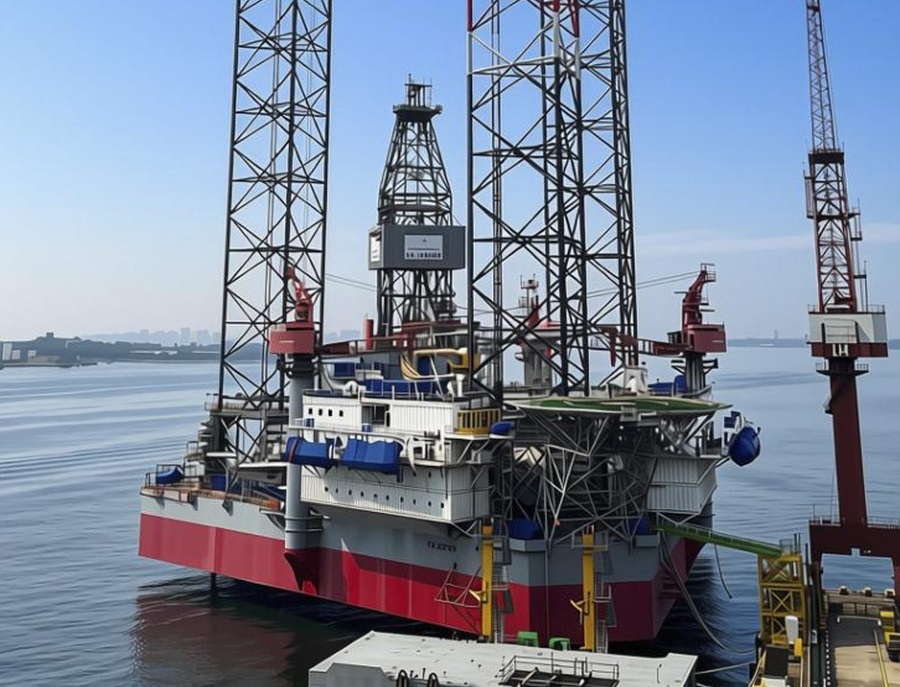
Through the 1990s and 2000s, the company constructed a wide range of technologically advanced vessels, including ultra-large container ships, LNG carriers, offshore units, and other high-value ship types. Over the decades, ships built by the company were delivered to owners in many regions around the world.
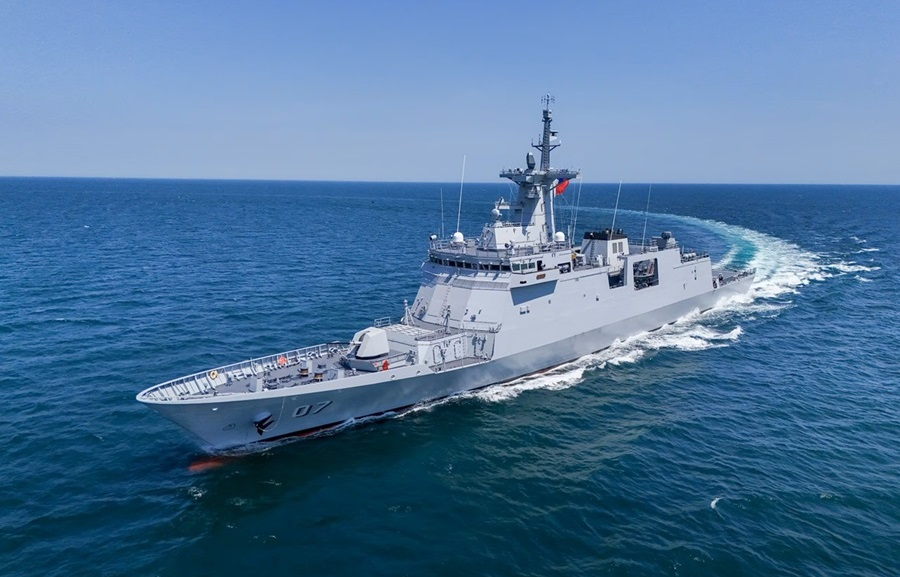
On 19 November 2025, HD Hyundai marked a significant milestone with the delivery of its 5,000th vessel. The commemorative ship was the Diego Silang, the second offshore patrol vessel built for the Philippine Navy. The vessel, measuring 118.4 meters in length, had been delivered from Ulsan in October 2025.
According to the company, cumulative deliveries by its three shipbuilding subsidiaries reached:
- 2,631 ships from HD Hyundai Heavy Industries
- 1,570 ships from HD Hyundai Mipo
- 799 ships from HD Hyundai Samho
This brought the combined total to 5,000 ships, making HD Hyundai the first shipbuilding group to reach this figure. The company stated that lining all 5,000 ships bow to stern would cover roughly 1,250 kilometers, exceeding the straight-line distance between Seoul and Tokyo. Since the 1970s, HD Hyundai has delivered ships to more than 700 shipowners in 68 countries.
The 5,000th-ship ceremony was held at the Ulsan yard with attendees including HD Hyundai Chairman Chung Ki-sun, Ministry of Trade, Industry and Energy Director Park Dong-il, and Korea Ocean Business Corporation (KOBC) President Ahn Byung-gil. Chairman Chung described the milestone as the result of decades of continuous effort since the company’s first vessel was delivered in 1974.