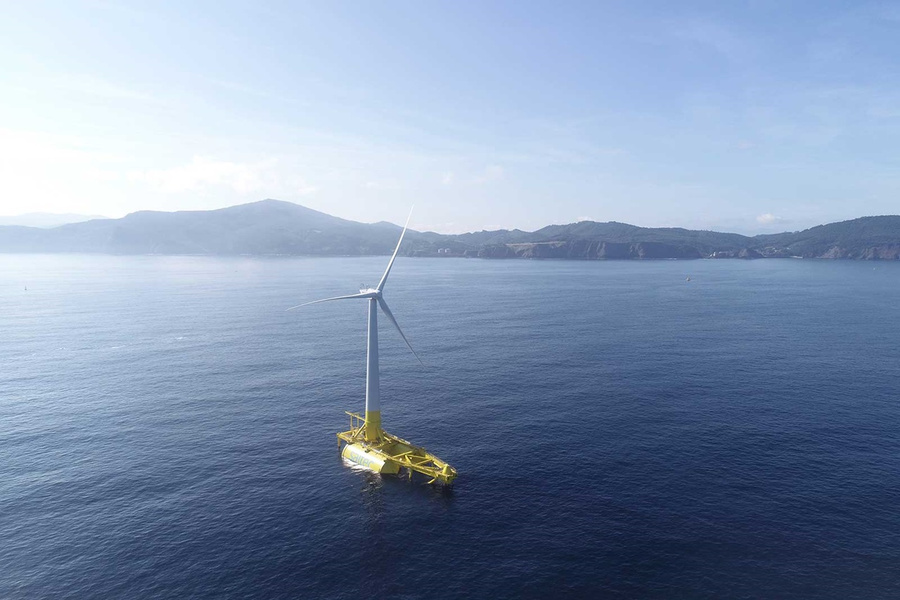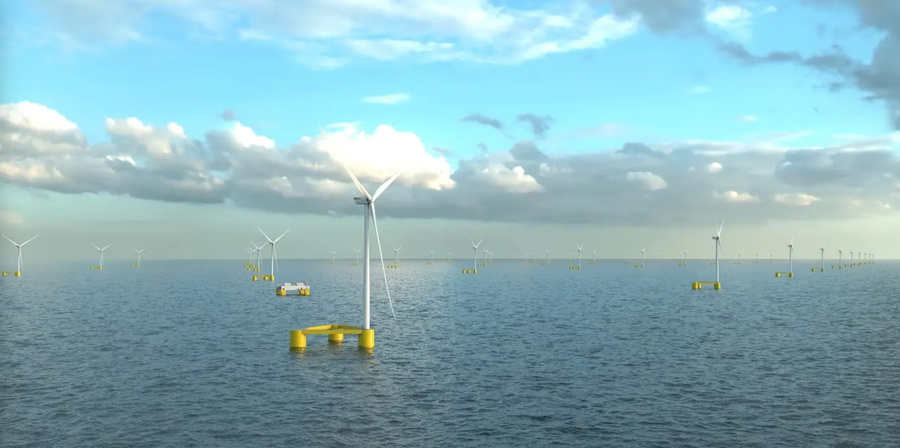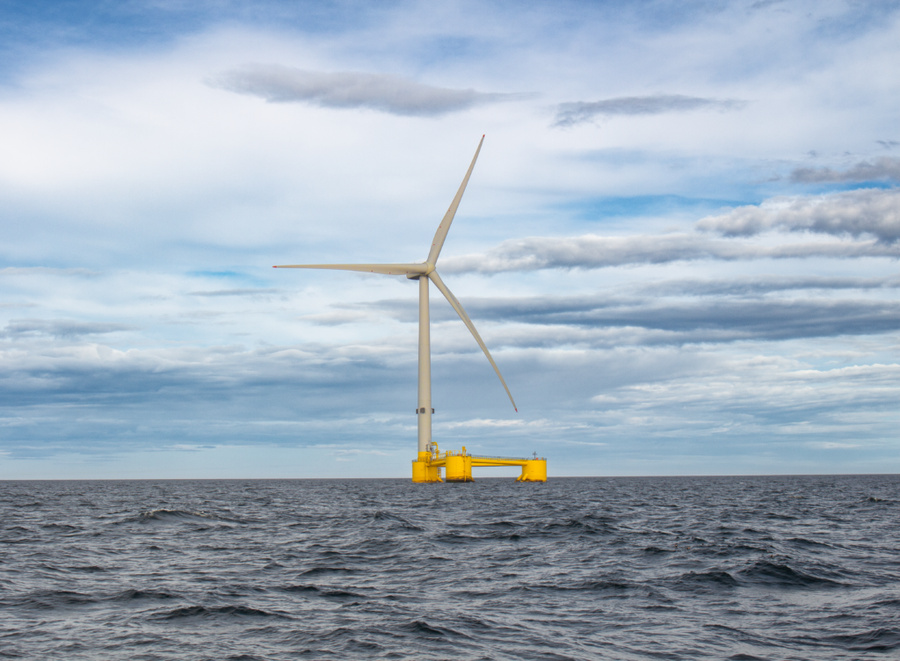
October 2025 — Trondheim, Norway / Brest, France — BOA and BrestPort have signed a memorandum of understanding (MoU) to collaborate on innovative methods for launching floating offshore wind structures and to jointly explore the port infrastructure improvements required to support large-scale floating wind deployment.
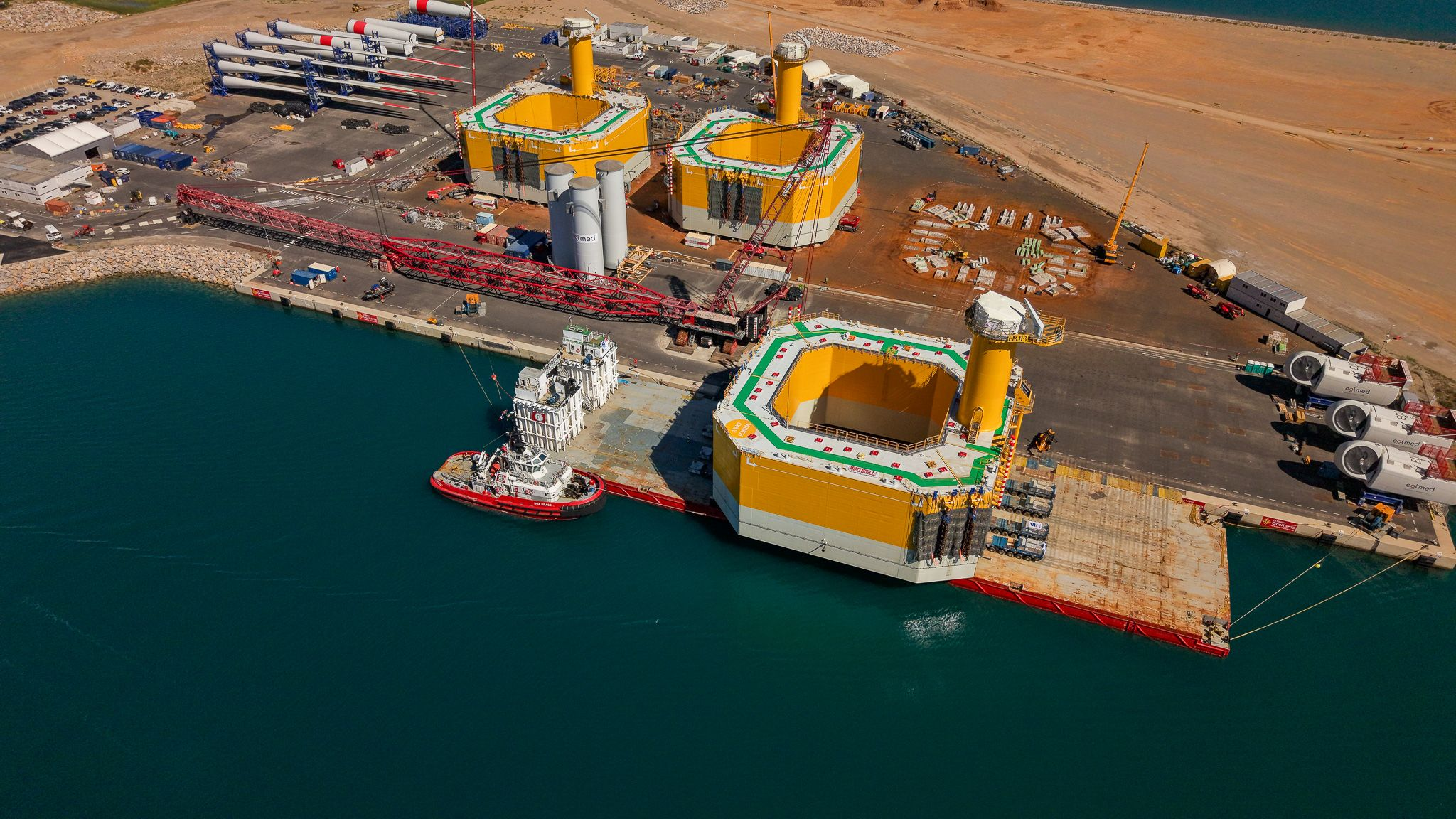
The cooperation focuses on developing safe, efficient, and cost-effective launching techniques for floating foundations and turbine structures. The initiative combines BrestPort’s dedicated marine renewable energy terminal facilities with BOA’s advanced technical capabilities, including semi-submersible barges and heavy marine engineering expertise.
Under the agreement, both parties will assess scalable launching solutions for floating and grounded platforms that could accelerate the industrial rollout of floating wind projects across the Atlantic and other regions. The partnership also aims to strengthen their joint positioning for future offshore wind contracts in Europe.
Christophe Chabert, representing BrestPort, emphasized that launching floating wind units requires not only advanced maritime engineering but also robust port infrastructure capable of handling extremely heavy components with precision and safety.
From BOA’s side, Ole T. Bjørnevik highlighted that the company’s unique semi-submersible barge fleet and offshore operations experience position it ideally to support cost-efficient launching operations for next-generation floating wind projects. He described the collaboration as a step forward in BOA’s commitment to advancing sustainable offshore energy logistics.
The MoU also supports BrestPort’s ambition to become a key European hub for floating wind assembly and deployment, reinforcing Brittany’s strategic role in the continent’s offshore energy transition.
BOA currently operates a fleet of 35 vessels, including tugs, offshore units, and heavy-lift barges, providing global transport, rig move, subsea installation, and salvage services. BrestPort continues to expand its renewable energy capabilities to meet the growing demand for floating offshore infrastructure.