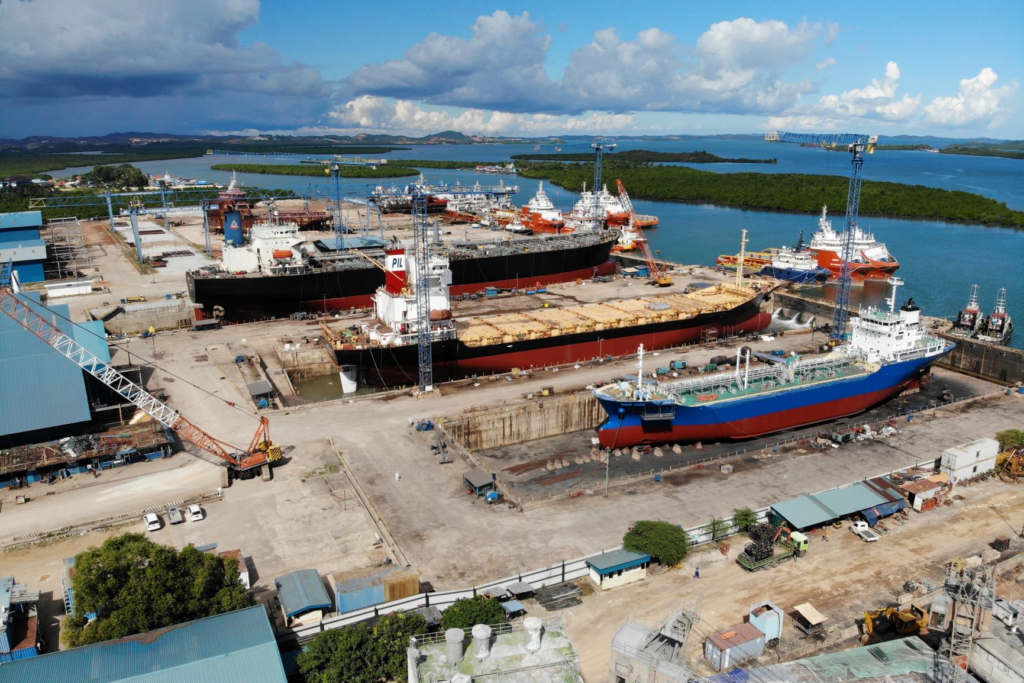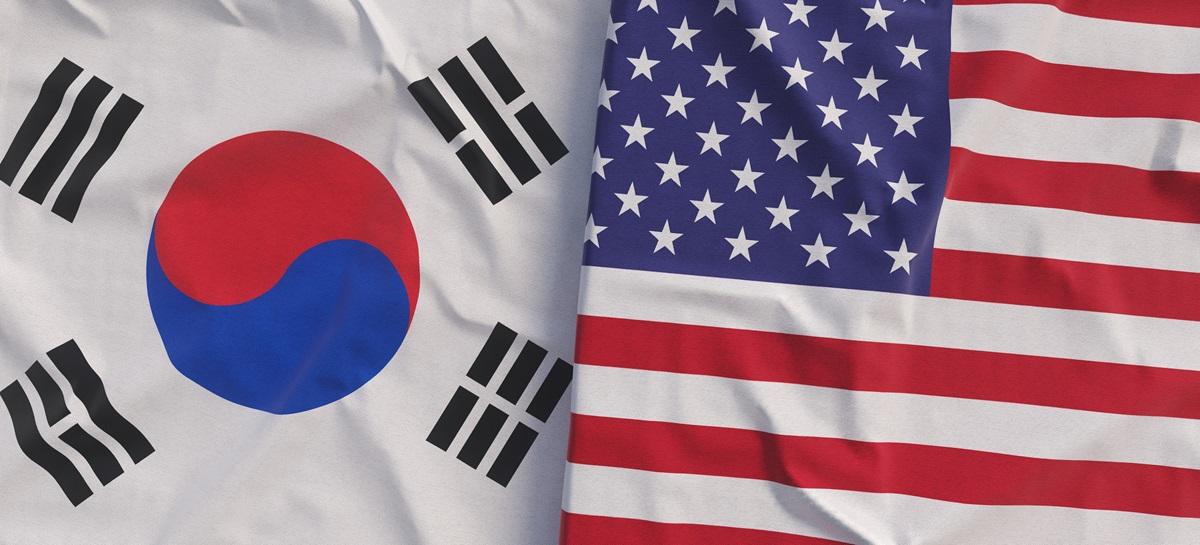
The United States and South Korea released details of a trade agreement that includes $150 billion in Korean investment in the US shipbuilding sector. The two governments signed a memorandum of understanding on 14 November, implementing commitments first announced on 30 July.
A White House fact sheet issued on Thursday stated that the United States approved South Korea’s plan to build nuclear-powered attack submarines under the Korea Strategic Trade and Investment deal. The document said the investment package is referred to as the Approved Investments and includes $150 billion directed to the shipbuilding sector, subject to US approval.
The fact sheet also noted that the United States authorised South Korea to construct nuclear-powered attack submarines and will work with Seoul on requirements for the project, including avenues to secure fuel. It further stated that Washington supports a process leading to the ROK’s civil uranium enrichment and spent-fuel reprocessing for peaceful purposes.
The announcement followed a 29 October meeting between South Korean president Lee Jae Myung and US president Donald Trump, where both agreed to modernise and expand the capacity of American shipbuilding industries and to invest in US shipyards and the American workforce. President Trump’s visit to South Korea—hosted in Gyeongju and marking his second state visit to the country—was described as opening a new chapter in the bilateral alliance.
Both nations are committed to establishing a shipbuilding working group that will address maintenance, repair, and overhaul activities, workforce development, shipyard modernisation, and supply-chain resilience. According to the statement, these initiatives will increase the number of US commercial ships and combat-ready US military vessels as quickly as possible, including the potential construction of U.S. vessels in South Korea.
South Korea’s Ministry of Trade, Industry, and Resources released the signed memorandum, noting that investments in the United States will focus on sectors linked to economic and national security, including shipbuilding, energy, semiconductors, pharmaceuticals, critical minerals, and artificial intelligence/quantum computing. It added that Korea will facilitate the Approved Investments through direct investment and loan guarantees for Korean shipbuilders, as well as other measures to finance US shipbuilding. The agreement also states that if Korea fails to meet facilitation requirements, the United States may impose tariff rates on Korean imports at levels determined by the US president.