President Donald Trump said he has ordered U.S. Development Finance Corporation to provide “political risk insurance and guarantees” to support the financial security of maritime trade in the Persian Gulf, with particular emphasis on petroleum shipments.
The step follows a decision by leading marine insurance underwriters to withdraw war-risk cover for the Persian Gulf and the Strait of Hormuz. If implemented, the policy would ease pressure on foreign-flag shipowners and allow overseas energy buyers—especially in China—to continue purchasing Middle East oil and gas.
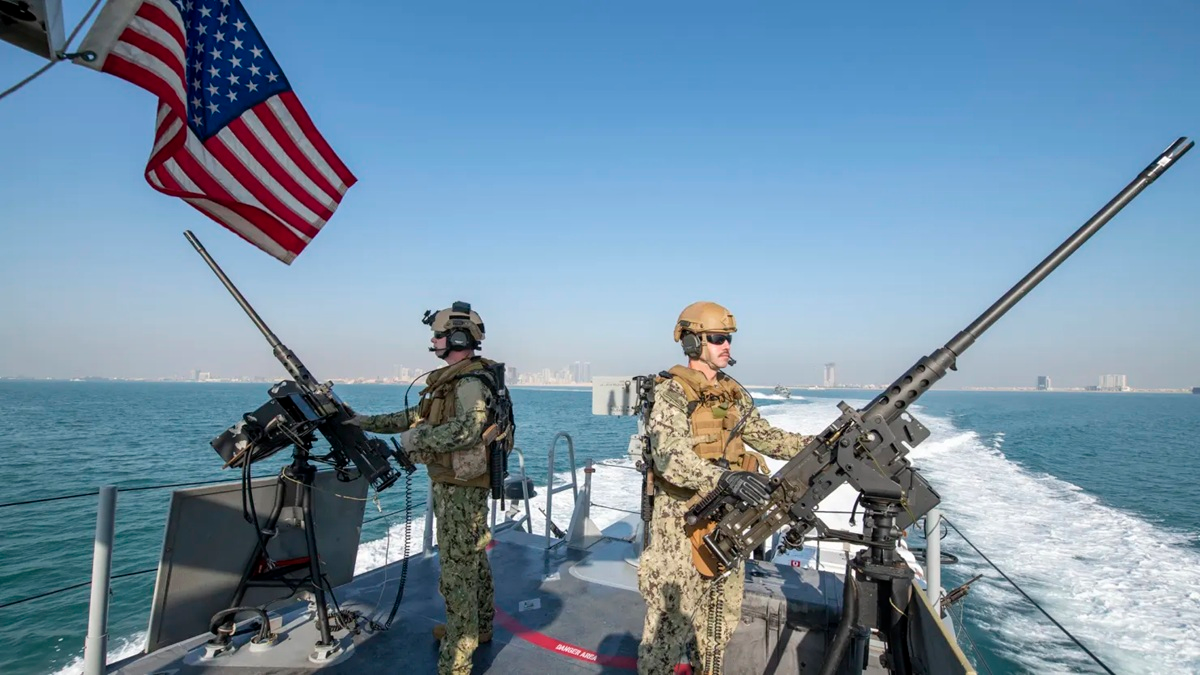
Trump added that, if necessary, the U.S. Navy would be tasked with escorting tankers through the Strait of Hormuz, describing the concept as reminiscent of Operation Earnest Will in the late 1980s. He noted that foreign tankers participating in Earnest Will were required to reflag into the U.S. registry to receive protection.
The White House intent, as described in the report, is to prevent energy prices from rising further as plans are made to intensify attacks on Iran. Benchmark Brent crude has already risen 14% since the start of the conflict last weekend, and the report said it could climb further if key export terminals remain shuttered.
The report also highlighted operational constraints. Assigning escort duties would add to the workload of Navy surface forces already engaged with Tomahawk strikes and air defence, and it is estimated that roughly one-third of the deployed U.S. fleet is currently in the Middle East. It further said Navy officials have told tanker executives there is no present availability for an escort mission and have provided no assurances that this will change.
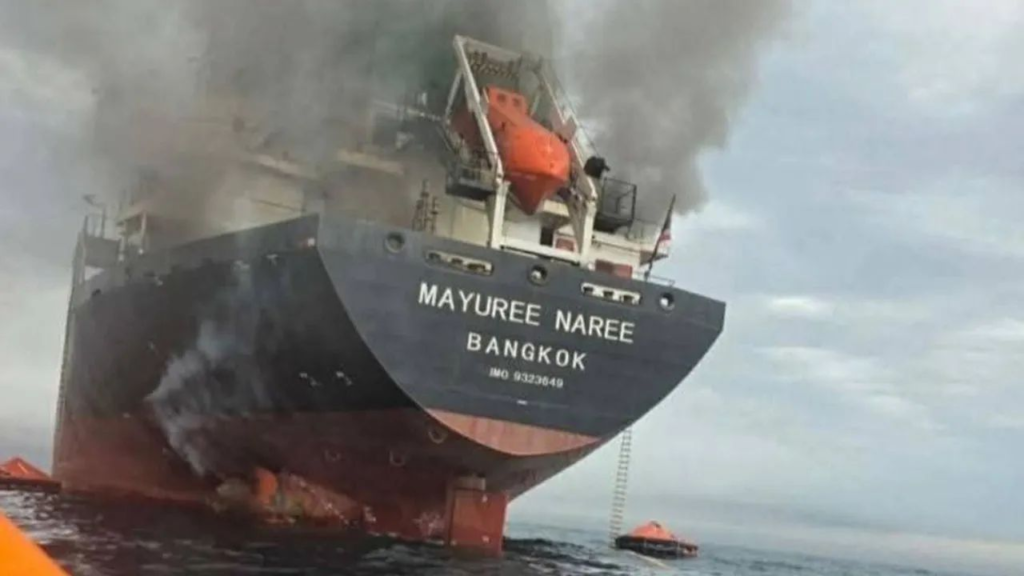
The drone-and-missile risk zone described in the report spans ports and sea lanes from Kuwait to Duqm—about 1,000 nautical miles of transit—adding complexity to any sustained shipping-defence effort.