Sonardyne has begun environmental and seismic monitoring at the Endurance CO₂ storage site in the UK Southern North Sea, following the installation of six seabed monitoring systems.
The equipment was deployed for the Northern Endurance Partnership (NEP), which is developing offshore carbon transportation and storage infrastructure for industrial facilities in Teesside.
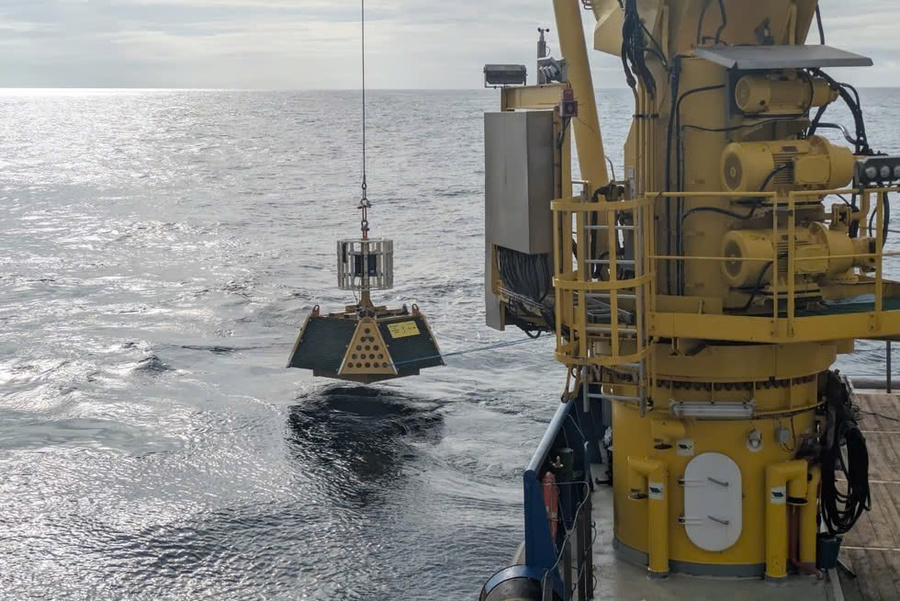
According to Sonardyne’s announcement, the installation comprises three autonomous environmental monitoring landers and three TIAMAT passive seismic monitoring systems supplied by K.U.M.
Located approximately 150 kilometres offshore, the systems are collecting baseline data on seawater chemistry, currents, seabed conditions and seismic activity before CO₂ injection begins.
The equipment forms part of NEP’s long-term monitoring programme, designed to assess environmental conditions and support verification of the storage reservoir’s integrity during operations.
Sonardyne will continue operating the systems and retrieving data under an existing monitoring contract, which was expanded in 2025 to include passive seismic monitoring.
NEP, a joint venture involving bp, Equinor and TotalEnergies, is developing a 145-kilometre offshore pipeline and associated infrastructure to transport captured CO₂ to the Endurance saline aquifer.
The project is designed to store up to four million tonnes of CO₂ annually in its initial phase, with operations expected to begin in 2028.