Saipem has secured a $500 million contract from Aramco for further expansion work at the Safaniyah offshore oilfield in Saudi Arabia. The award sits within Aramco’s long-term agreement framework for offshore contracting and is structured as a contract release and purchase order.
The scope includes engineering, procurement, construction and installation of a 48-inch (122 centimetre) trunkline. Saipem said 65 km (65,000 m) of the line will be offshore and 12 km (12,000 m) onshore, alongside associated subsea facilities.
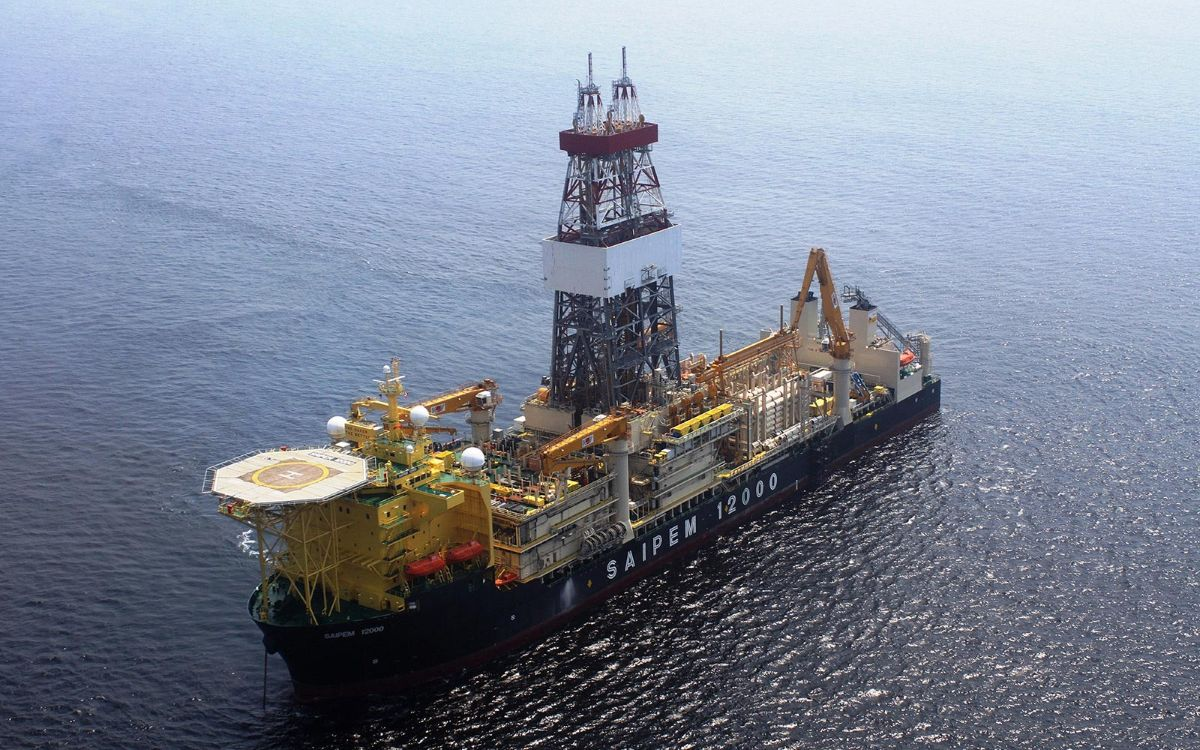
Offshore operations will be executed using Saipem vessels in the region, while fabrication will be performed at the contractor’s Saudi yard, Saipem Taqa Al-Rushaid Fabricators, in Dammam.
Safaniyah is described as the world’s largest offshore oilfield, producing around 1.3 million barrels per day and requiring multiple investment phases to maintain its production profile.
Saipem confirmed the award under the LTA structure but did not specify which CRPO package it received. The source notes that multiple Aramco EPCI packages, including CRPOs 154, 155, 156, 161, 163 and 164, are expected to be awarded within weeks, and indicates Saipem is understood to have secured one of these contracts.
The award comes against the backdrop of Aramco’s long-term capital expenditure strategy unveiled last year, with the company expected to keep investing in upstream projects and with greater emphasis on gas-based developments.
In August, Aramco launched at least two tenders for water injection work at Safaniyah, according to the source. The source also states that Saipem won two offshore contracts in December tied to CRPOs 162 and 165.
On the wider LTA market, the source estimates annual activity has averaged $2 billion to $3 billion over at least the past two to three years, while 2025 performance was supported by four multibillion-dollar contracts for Aramco’s Zuluf increment project.
Saipem chief executive Alessandro Puliti said last year the LTA framework for offshore projects is expected to remain robust and that the company regularly participates in these opportunities. He added that the programme largely involves replacing and upgrading existing facilities or laying new lines to improve production or replace ageing pipelines.