South Korea’s three major shipbuilders — HD Korea Shipbuilding & Offshore Engineering, Hanwha Ocean, and Samsung Heavy Industries — are expected to post a combined operating profit of 10.124 trillion won in 2026 as deliveries of liquefied natural gas (LNG) carriers ordered in recent years ramp up.
Industry estimates indicate that the three groups will secure $46.4 billion in new orders this year, a 27% increase from last year’s $36.3 billion and above the previous peak of $44 billion recorded in 2022. HD Korea Shipbuilding & Offshore Engineering alone has set a 2026 order target of $23.31 billion, while market forecasts put Hanwha Ocean and Samsung Heavy Industries at about $12 billion and $11.1 billion, respectively.
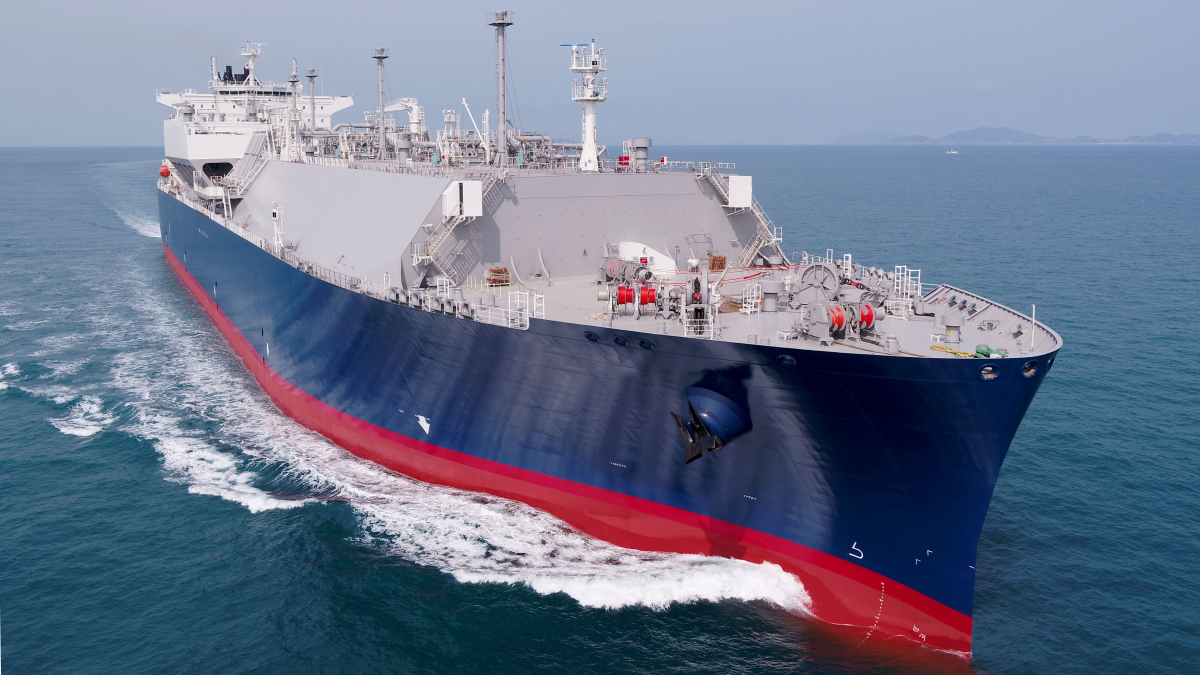
LNG tonnage is at the core of this growth. A Korea Development Bank–affiliated outlook for the “Shipping and Shipbuilding Industry 2026” projects a 14.6% year-on-year drop in global newbuilding orders, yet anticipates continued expansion in LNG carrier investment as LNG demand increases in the energy transition. Natural gas liquefaction terminals scheduled for construction in 2029 have a capacity of 56.5 million tonnes, but only 21 LNG carriers have been ordered so far, implying the need for at least 110 additional vessels, with industry expectations that Korean yards will take no fewer than 70 of them.
Korea’s strong position in this niche is reflected in recent delivery data. From 2021 to 2025, Korean shipyards delivered 248 LNG vessels compared with 48 from China, giving Korea an 83.8% share of deliveries. Between 2022 and 2023, HD Korea Shipbuilding & Offshore Engineering won orders for 83 LNG carriers, while Hanwha Ocean and Samsung Heavy Industries each secured 43.
New business continues to flow. On 6 January, HD Korea Shipbuilding & Offshore Engineering booked a contract worth 1.499 trillion won for four LNG carriers from a US shipowner. HD Hyundai Heavy Industries will build the vessels for delivery by the first half of 2029 and will feature high-efficiency shaft generators and LNG reliquefaction systems to improve operational performance.