The European Union is facing renewed criticism over ship recycling as environmental groups challenge the low use of European facilities and oppose a proposal to add the first Indian recyclers to the EU’s approved list.
NGO Shipbreaking Platform and Transport & Environment have released a study examining the EU’s available recycling capacity and the destinations used for EU-owned and EU-flagged ships at the end of their operating lives.
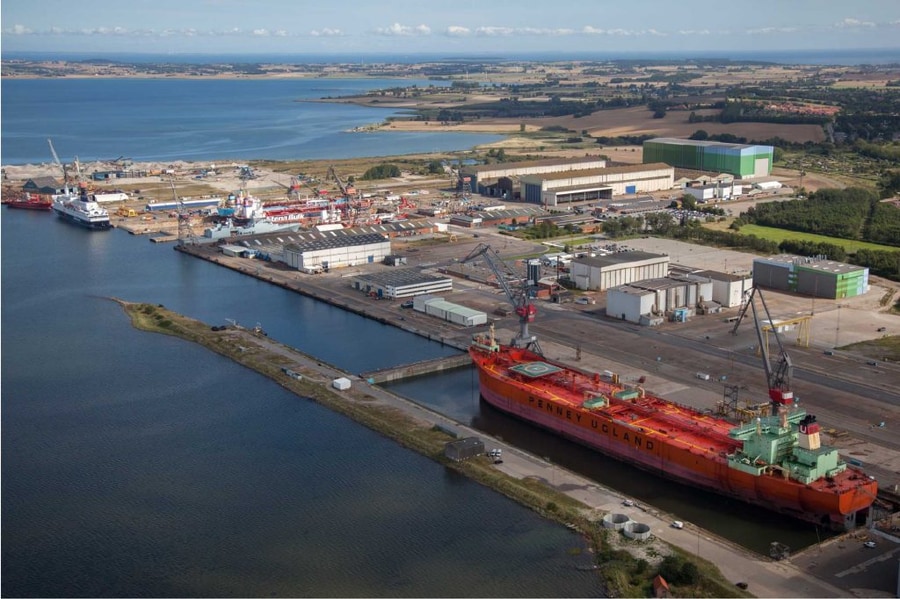
According to the study, the EU currently has 30 ship recycling yards with combined capacity of about 1.3 million light displacement tonnes. The groups said only around 5% of available EU dismantling capacity was used between 2019 and 2025.
During that period, 706 EU-flagged and/or EU-owned ships representing about 6.7 million LDT were dismantled worldwide, the report said. Of these, 153 vessels, or 22% of the total number, were recycled at facilities in the EU.
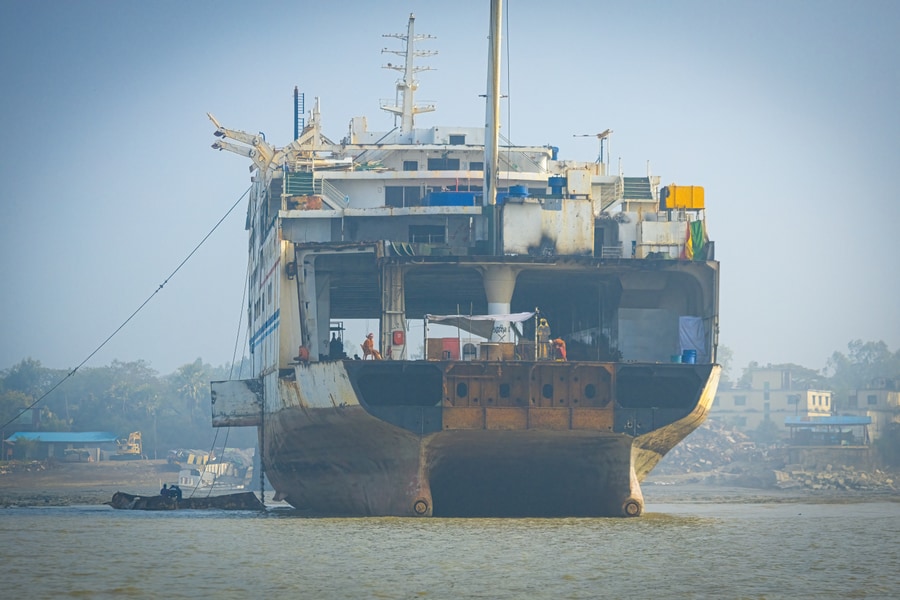
India, Bangladesh and Pakistan accounted for a larger share. The study said 345 ships, representing 49% of the vessels examined, were beached in the three countries. These ships accounted for 66% of the total tonnage covered by the report. Most of the remaining vessels were dismantled in Turkey.
The NGOs also identified 102 ships that changed from an EU flag to another flag shortly before dismantling. They argue that the practice allows vessels to avoid the stricter requirements applied to EU-flagged ships.
Under the EU Ship Recycling Regulation, EU-flagged vessels must use recycling facilities included on the bloc’s approved list. NGO Shipbreaking Platform argues that the continued use of South Asian yards, despite available capacity in Europe, raises questions about enforcement of the regulation.
The latest study follows research published by the same two NGOs in 2018. That earlier report also concluded that the EU had sufficient recycling capacity, in both LDT and vessel dimensions, to handle EU-flagged ships.
The shipping industry has continued to argue that the approved list does not provide enough capacity. The industry has cited capacity concerns when supporting the inclusion of South Asian beaching yards on the EU list and in defending reflagging practices.
The issue has gained further attention after the EU proposed adding its first Indian recyclers to the approved list.
Philippine Bernard, Policy Officer at NGO Shipbreaking Platform, argued that sending recyclable steel to third markets conflicts with EU goals related to strategic resilience and material autonomy.
The two NGOs are calling for greater use of European recycling facilities as more ships approach the end of their operating lives. Their study estimates that about 12,000 EU-owned vessels could become ready for recycling over the next decade.