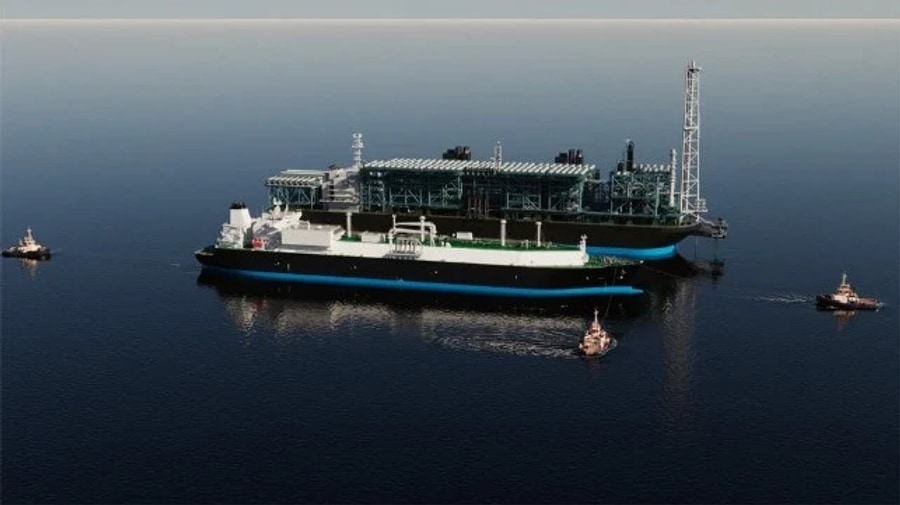
Delfin Midstream and its investor group have taken a financial investment decision to proceed with Delfin FLNG 1, the first floating LNG project in the United States and the largest FLNG project globally.
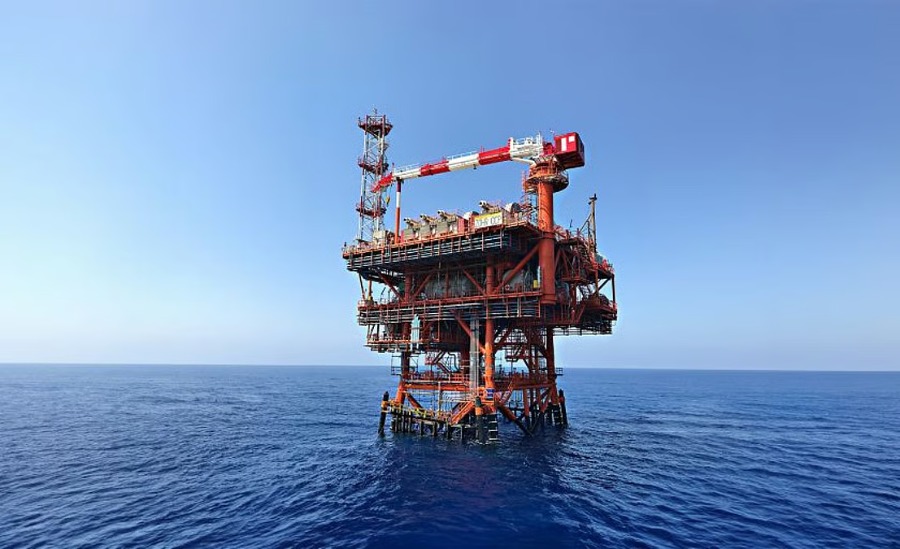
The project will be located about 40 nautical miles off the coast of Louisiana. Its first vessel is expected to provide 4.4 million tonnes per year of LNG export capacity. It is the first phase of a wider FLNG-based development planned for a total capacity of 13.2 million tonnes per year.
Delfin Midstream said the decision starts a $5 billion investment. The company said FLNG technology, developed over the past 15 years, requires less onshore infrastructure, making development faster and less costly.
The investor group is led by Global Infrastructure Partners, part of BlackRock. Mitsui O.S.K. Lines has been an investor since 2023 and is expected to support the project with LNG transport expertise. Vitol and Diameter Capital Partners have also agreed to invest in the first phase.
The FID follows more than 10 years of development and permitting work. Delfin Midstream acquired the UTOS pipeline in 2014 and submitted its Deepwater Port license application in 2015. The Maritime Administration approved the license in March 2025.
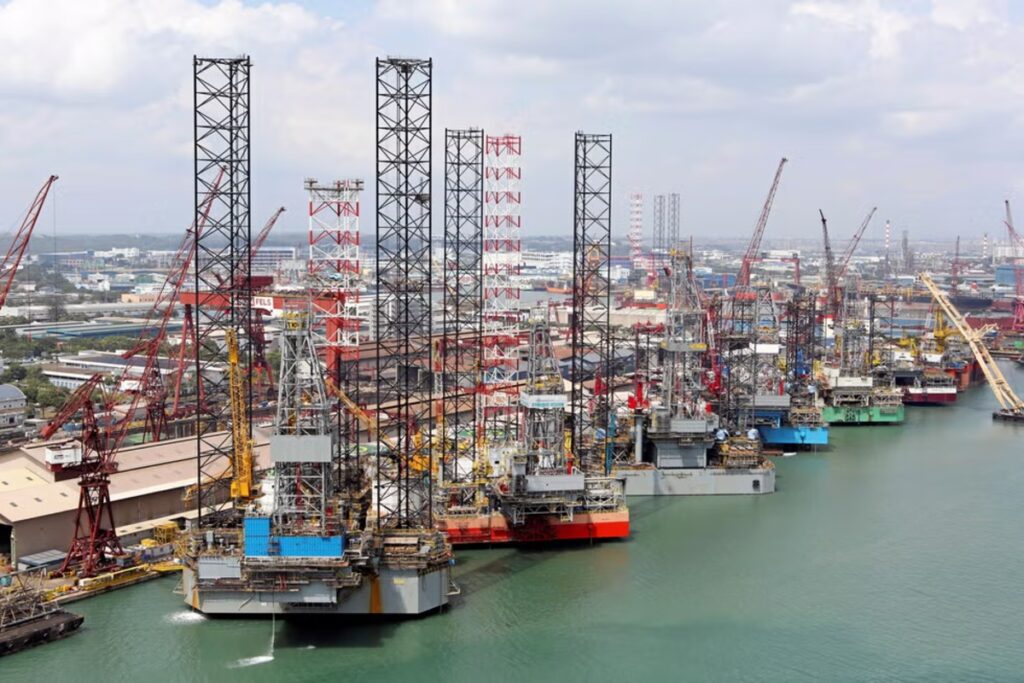
The FLNG design was developed with Samsung Heavy Industries and other partners. The vessel will use gas turbine-driven technology and air-cooling for liquefaction, process and utility systems. Unlike production FPSOs, the FLNG unit will receive pipeline-quality feedgas and operate as a liquefaction facility rather than producing from a reservoir.
The vessel is also designed to use renewable electric power to lower emissions from the LNG facility. LNG carriers will be positioned alongside the FLNG with tug support, while the FLNG will use thrusters for heading control. If a hurricane or other storm threatens the area, the vessel can be disconnected and moved to a calmer offshore location.
Delfin Midstream said Samsung Heavy Industries brings experience from the Cedar LNG project. The company has also contracted Black & Veatch and Siemens Energy, with Siemens Energy developing the gas turbine.
The first FLNG vessel is expected to enter operation in 2030. Delfin FLNG 1 has already secured long-term LNG sales commitments with Vitol, Expand Energy, Centrica and Gunvor.
Following the FID for the first vessel, Delfin Midstream said it continues to work toward investment decisions for its second and third planned FLNG vessels.