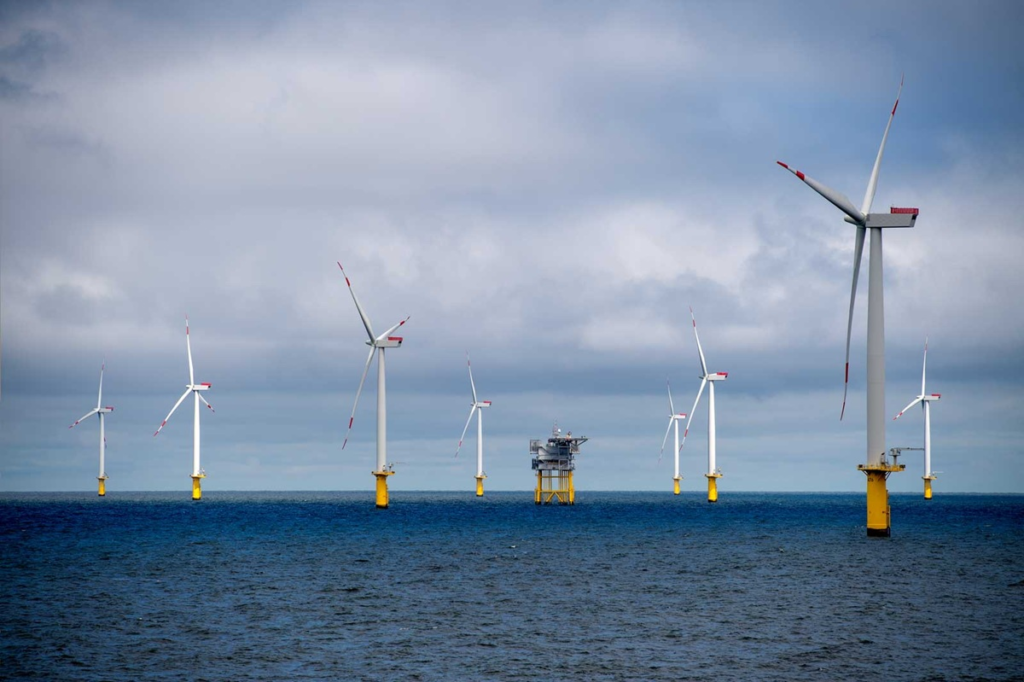
As offshore wind power continues to expand, a new installation method for large offshore wind turbines is proving to be both economically viable and environmentally efficient. A study published in Journal of Marine Science and Engineering demonstrates a groundbreaking, anchor-free installation approach for jack-up-type offshore wind turbines (OWTs) utilizing a fleet of tugboats.
The study, led by experts from KOMS Co. Ltd. and Dong-A University, analyzes the feasibility of this installation method, which eliminates the need for costly Wind Turbine Installation Vessels (WTIVs) and heavy-lift cranes, traditionally used in offshore wind turbine projects. Instead, the process relies on a tugboat fleet to maintain the position of the OWT during the installation process, lowering its legs gradually into the seabed and securing the structure in place. The proposed method aims to significantly reduce both installation costs and construction time while enhancing operational flexibility in regions with harsh environmental conditions.
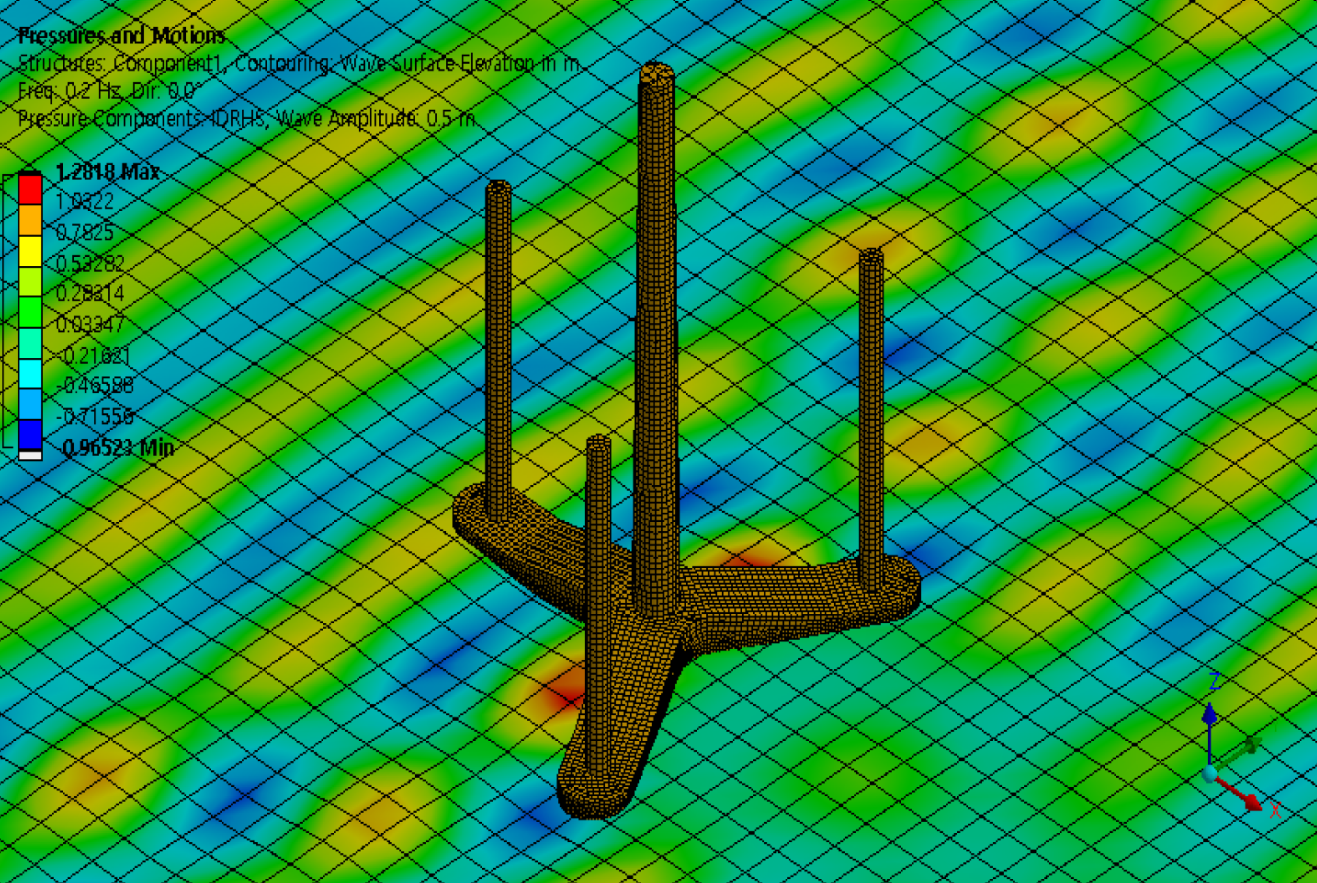
Key findings from the study confirm that the tugboat-assisted method can achieve safe and efficient station-keeping of the OWT throughout the installation stages, even under challenging wave, wind, and current conditions. The numerical analysis shows that the tugboat fleet can maintain the required pulling forces without exceeding the Safe Working Load (SWL) of the towlines or the Effective Bollard Pull (BPeff) of the tugboats.
In particular, the study highlights the advantages of this method in regions such as Korea’s West Sea and Jeju, where adverse weather conditions often limit the operational windows for traditional installation methods. By avoiding the need for anchor installation and removal, the anchor-free installation method enables a faster, more flexible approach that can be completed within 24 hours, compared to several days required for conventional methods.
The results of this study provide valuable insights into the potential for reducing the Levelized Cost of Energy (LCOE) for offshore wind projects, supporting the broader commercialization of large-scale offshore wind turbines.
For the full study and further details, visit Journal of Marine Science and Engineering (October 2025, Vol. 13).