The Kekova shipwreck off Turkey may date back 4,400–4,700 years, according to researchers cited by Euronews. Pottery comparisons underpin the estimate, and the research team considers the site a possible candidate for the oldest known shipwreck.
The discovery predates the latest reports. A preliminary study by Hakan Öniz and Ceyda Öztosun, published in the Journal of Maritime Archaeology on 24 July 2026, states that Akdeniz University documented the site in 2024. Researchers brought up one jar in 2024 and another in 2025 for closer examination.
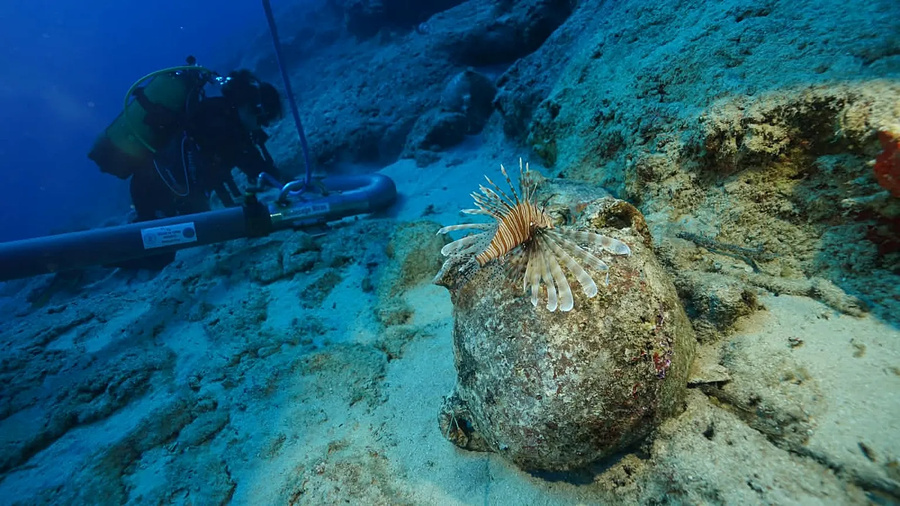
Öniz, of Akdeniz University, leads the work with the Mediterranean Archaeology Association. Marine Insight reported that the site is near Kekova Island in Antalya, about 30 metres below the surface. Its account described a cargo of over 30 ceramic storage jars and an estimated vessel length of roughly 10 metres.
The wooden hull has not survived. Researchers have used the jars’ shape, decoration and manufacturing characteristics to assess their age. The preliminary paper identifies similarities with Early Bronze Age pottery from the Levant, including handles on the sides and flat bottoms.
Macquarie University archaeologist Karin Sowada has examined the ceramics. Marine Insight reported that some contained thick, glossy residue. Tests are continuing to identify the material, with olive oil, wine and tree resin suggested as possibilities. Sowada cautioned that reuse of the jars could mean the surviving material was not their first cargo.
Conservation is also under way. ABC News reported that objects recovered from the sea were placed in water baths to draw out salts and help prevent deterioration. Sowada described the investigation to the broadcaster as still being at an early stage.
Three stone anchors were found around the site, according to the preliminary paper. Their association with this particular wreck has yet to be established.
The voyage’s origin and destination remain uncertain. Marine Insight reported that researchers considered a departure from the eastern Mediterranean coast possible, with Troy or Crete suggested as destinations. These remain hypotheses.
The same report said the wreck belongs to Turkey’s Ministry of Culture and that recovered objects are expected to be displayed at the new Mediterranean Underwater Archaeology Museum in Antalya once it opens.