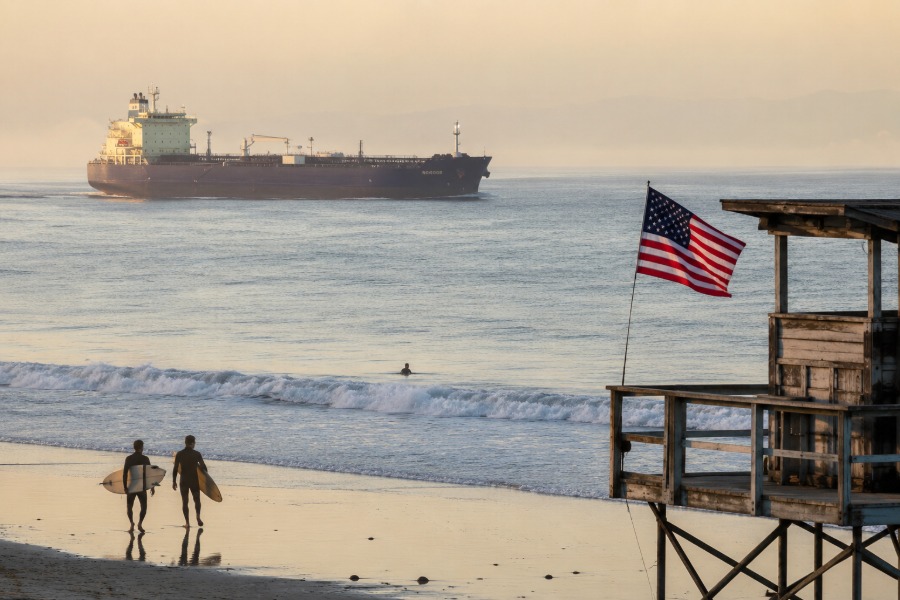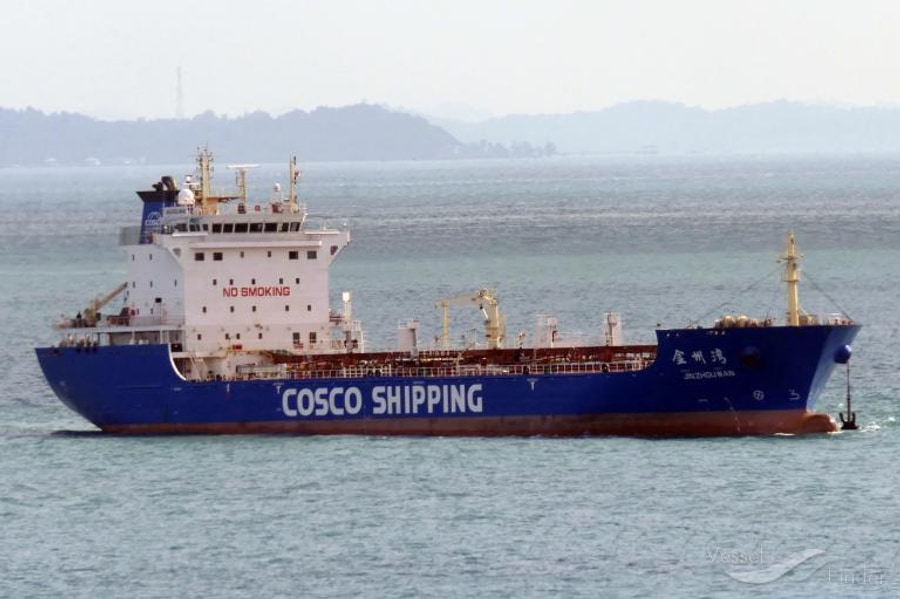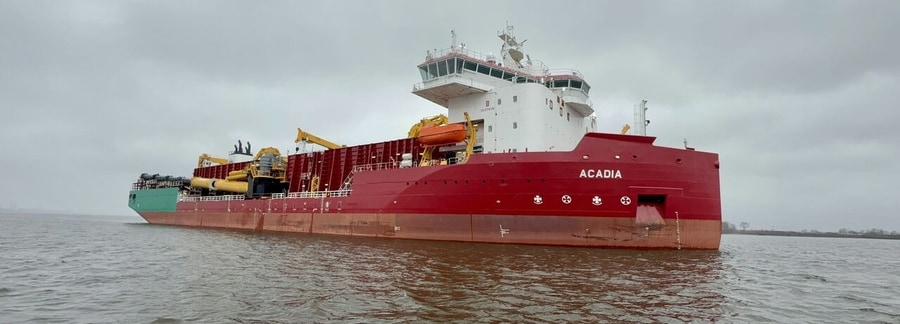
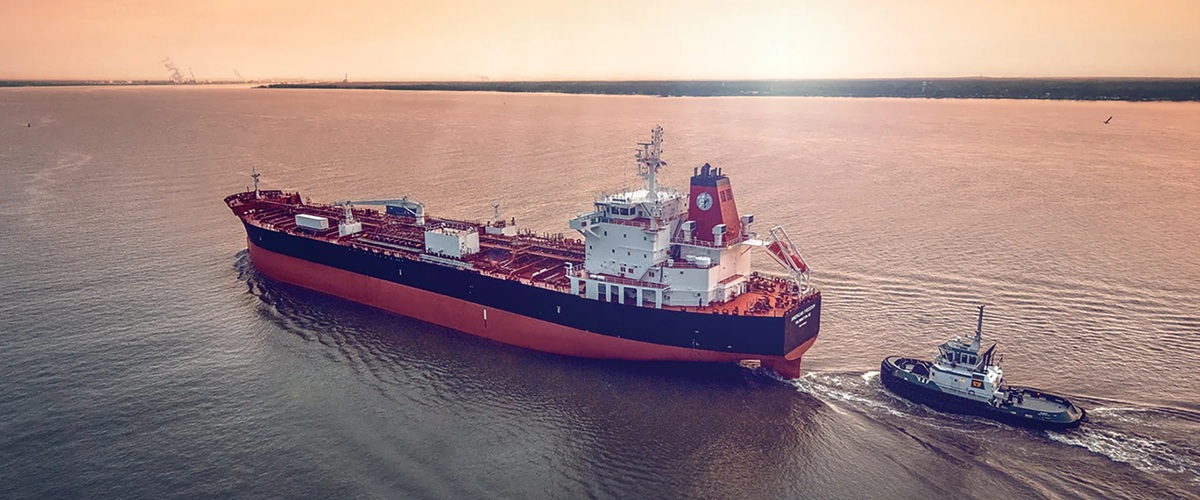
The White House moved ahead with a 60-day Jones Act waiver, opening U.S. coastwise trade for oil, liquefied natural gas, fertilizer, coal and other key cargoes to foreign-flagged vessels for the next two months. The administration framed the measure as a short-term response to disruption in energy markets while U.S. forces continued operations linked to Operation Epic Fury against Iran.
Press Secretary Karoline Leavitt confirmed the decision on Tuesday. The step went beyond the 30-day waiver concept discussed earlier and became one of the broader emergency exemptions under the Merchant Marine Act of 1920 in recent years. The waiver was expected to be issued under Section 501(a), which allows foreign ships to carry domestic cargo when the government determines such action is required for national defense and to address an immediate negative impact on military operations.
Energy Secretary Chris Wright said the policy was intended to keep oil and other energy supplies moving across the country during a period of market stress. The administration’s position was that added flexibility in domestic shipping could soften short-term pressure in fuel markets.
That view quickly met resistance from maritime labor and U.S. shipping interests, which argued the measure would not materially reduce gasoline prices and would instead weaken the domestic maritime sector. Nine maritime labor organizations, including MEBA, SUP and the AFL-CIO Transportation Trades Department, said the waiver was too broad and went beyond the narrow emergency use they had supported in the past. In their view, the decision would benefit foreign-flagged operators rather than American workers and would fail to deliver meaningful savings to consumers.
The labor groups also linked the waiver to security concerns tied to the conflict in the Middle East. They said that widening foreign access to U.S. waterways during a period of heightened instability could increase risk for American safety and further erode confidence in the country’s cabotage framework and maritime workforce base.
Industry groups voiced similar objections. The American Maritime Partnership said the waiver could be used in ways that displace U.S. workers and companies even though the legal threshold is tied to an immediate military need. The group also said the effect of domestic shipping on nationwide gasoline prices was less than one cent per gallon. The Offshore Marine Service Association said the policy risked damaging American jobs, tax revenue and the long-term position of the U.S. maritime industry. The American Waterways Operators also warned that letting foreign vessels enter domestic trades could import international freight volatility into U.S. commerce without producing any meaningful drop in gasoline prices.
The decision also raised questions about consistency with President Trump’s stated goal of rebuilding American maritime strength. Critics said each Jones Act waiver can weaken investment signals for U.S. vessels, shipyards and maritime labor. Overseas Shipholding Group CEO Sam Norton said in a recent market analysis that replacing Jones Act tankers with foreign-flagged vessels on domestic routes could even raise delivered fuel costs because international tanker markets were trading at elevated levels.
Early activity in the market suggested the waiver was already affecting coastwise shipping patterns. According to Argus, charterers moved quickly to seek foreign-flagged MR tankers for domestic voyages, including some fixtures at rates above earlier Jones Act levels. One reported Gulf Coast-to-Jacksonville movement was placed on subjects at about $6.7 per barrel, while a New York-to-Hawaii voyage was reported near $22 per barrel. Argus said the arrival of waiver-driven demand in a market with limited prompt vessel availability may have created arbitrage opportunities for charterers even though freight costs were initially higher on some routes.
The policy came as oil prices climbed sharply and shipping conditions around the Strait of Hormuz remained heavily constrained. WTI crude approached $100 per barrel after starting the month near $70, as U.S. and Israeli strikes on Iran and wider geopolitical tension disrupted global energy markets. At the same time, tanker rates and war-risk premiums rose as commercial shipping faced missile and drone attacks and flows from the Middle East Gulf were largely halted.
Administration officials argued the waiver could help ease regional supply bottlenecks, particularly on the U.S. East Coast, by expanding the pool of ships able to move fuel from Gulf Coast refineries. Even so, several market assessments cited in the debate pointed to only a marginal effect on consumer prices.
A study by Navigistics Consulting estimated that, even under a best-case outcome in which all savings reached consumers, the reduction in gasoline prices would stay below one cent per gallon, or about $0.0027. The analysis said only around 6.5 percent of U.S. gasoline supply moves on Jones Act vessels, while the bulk of volumes travels through pipelines, trucks and other transport systems.
Supporters of the waiver, including Senator Ted Cruz, said the step was needed to protect the movement of energy and critical goods during a national security emergency linked to disruption in the Strait of Hormuz. Opponents said the measure again showed a gap between policy expectations and freight market realities. As the exemption took effect, the administration was relying on added shipping flexibility to steady supply conditions, while much of the maritime sector maintained that global crude prices and international freight markets would remain the main forces behind fuel costs.