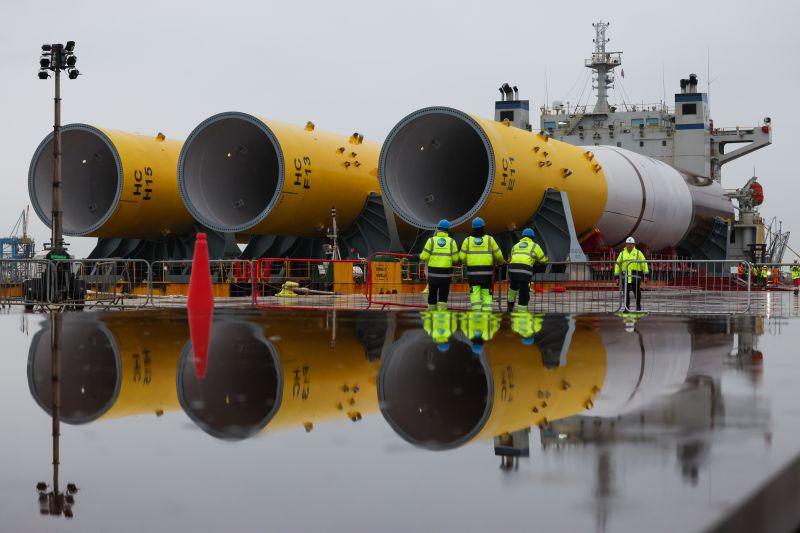
Ørsted has received the first six monopile foundations for the Hornsea 3 offshore wind farm at Teesside in the UK, a key early delivery for a project the developer describes as the world’s largest single offshore wind farm. Hornsea 3 will use 197 monopiles in total.
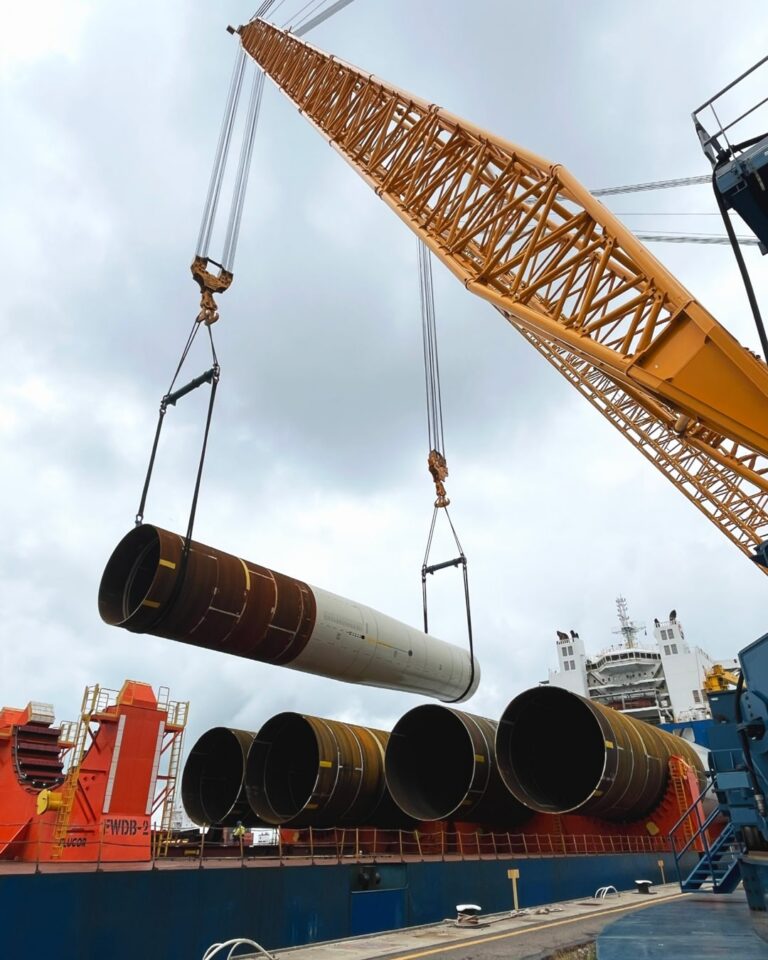
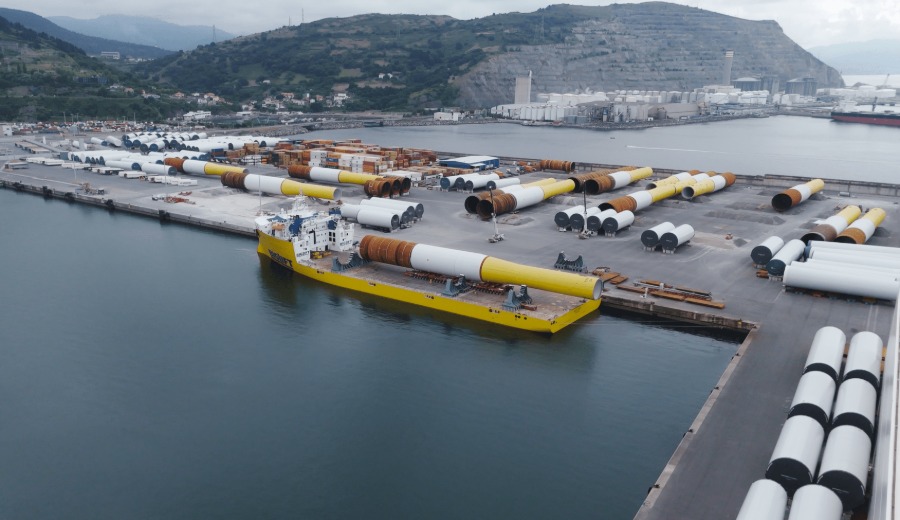
The first batch was manufactured by Haizea Wind Group and shipped from Bilbao, Spain to Teesside, covering 960 nautical miles on CY Interocean II. Ørsted said each monopile is about 90 m long and weighs an average of 1,670 tonnes, with a diameter of 8 m at the top and up to 11 m at the bottom.
According to Hornsea 3 managing director Luke Bridgman, 2026 will be the year offshore works begin in earnest, and the arrival of the first monopiles marks an important milestone. He added that close coordination with specialist partners will be central to delivery.
Haizea Wind Group CEO Borja Zarraga said shipping the first foundations is a milestone for Haizea’s Bilbao operation, noting that facility expansion followed Ørsted’s trust and that participation in Hornsea 3 demonstrates the group’s technical capability on large offshore projects.
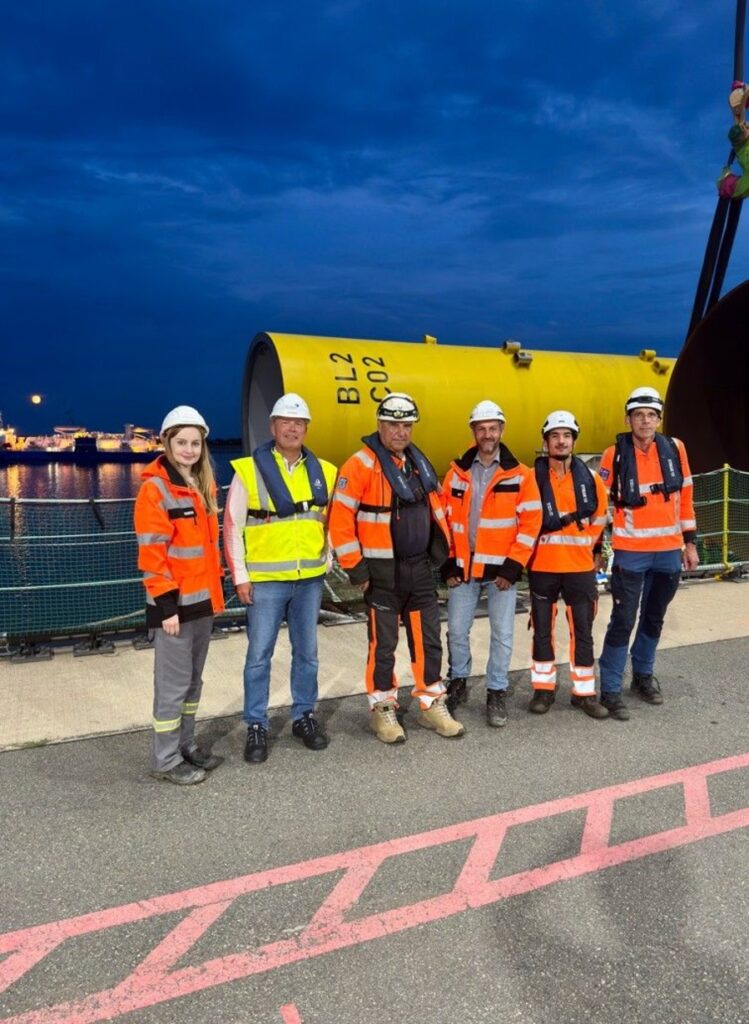
The load-out in Spain and load-in in the UK were carried out by the Cadeler team, working with Ørsted and Haizea in Spain, and with Ørsted and Steel River Quay at Teesworks in the UK.
Cadeler CEO Mikkel Gleerup said the first monopile shipment is a step forward in Cadeler’s development as a full-scope offshore wind partner, enabled by investments in foundation expertise and vessels designed for extra-large monopile transportation and installation. He said three vessels are committed to the Hornsea 3 campaign, including Cadeler’s new A-class vessel Wind Ally, and highlighted the long-standing collaboration with Ørsted.
Steel River Quay managing director Ally Cameron said the Teesside arrival is a proud moment for both the site and the project, pointing to facilities built to handle components of this scale. He also said the delivery reflects the partnerships developing on the Tees and underscores the region’s role in the UK’s clean energy transition, alongside long-term industrial opportunities and skilled local jobs.