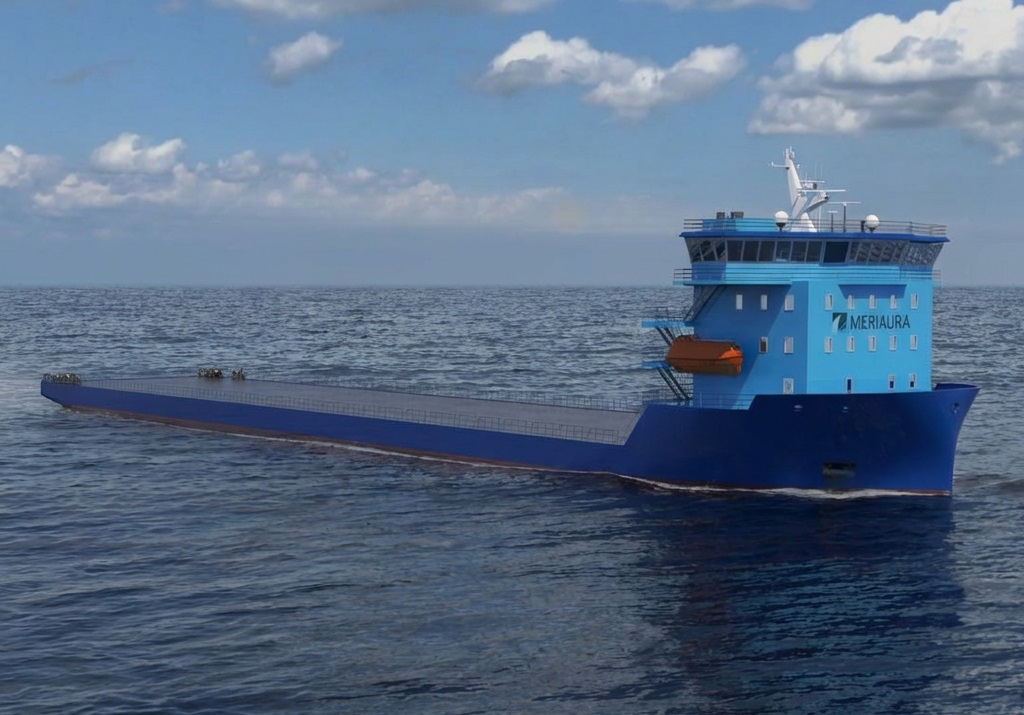
Meriaura has signed a shipbuilding contract with Jiangsu Zhenjiang shipyard (Group) CO., LTD. for a next-generation open-deck carrier, with delivery scheduled for the beginning of 2028.
The ordered unit is a 6,800 DWT vessel measuring 120 m in length and 21.6 m in breadth. It is specified with 1A ice class and DP2 capability. The concept builds on two earlier open-deck carriers developed by Meriaura and was created together with Deltamarin Finland, which will also deliver the basic design for the yard.
The ship will be fitted with three main engines, including two medium-speed 4-stroke marine engines to be manufactured in Finland. Meriaura said the engines are designed for straightforward future upgrades to operate on low- or zero-carbon fuels.
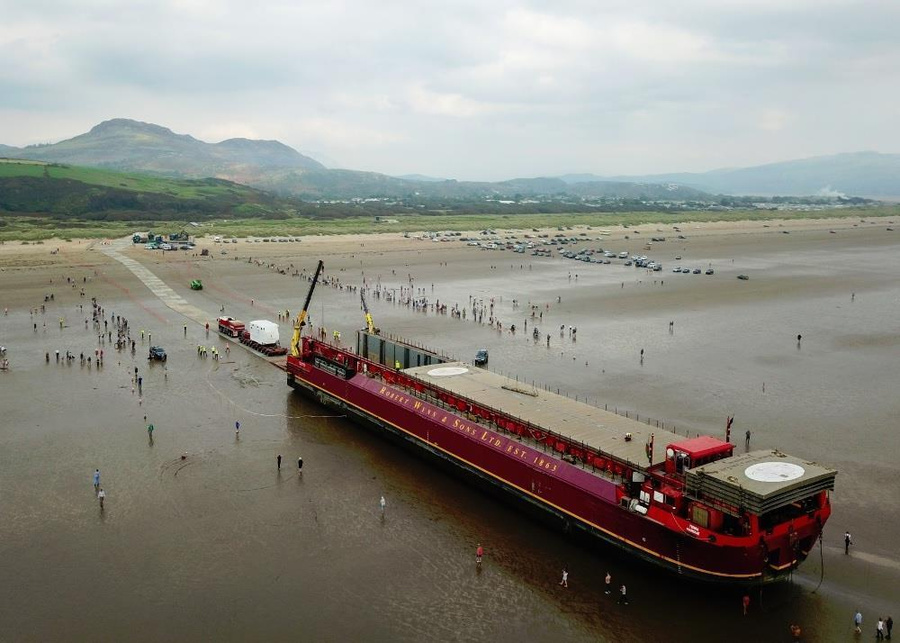
Operationally, the vessel will primarily serve the short sea shipping market, in line with the company’s existing fleet. It is optimized for heavy projects and special cargo, with a design focus on demanding RO-RO operations. Meriaura highlighted dynamic positioning, a large deck area, and technical and operational performance aimed at supporting project requirements year-round, including access to locations with shallow drafts, limited space, or weak infrastructure.
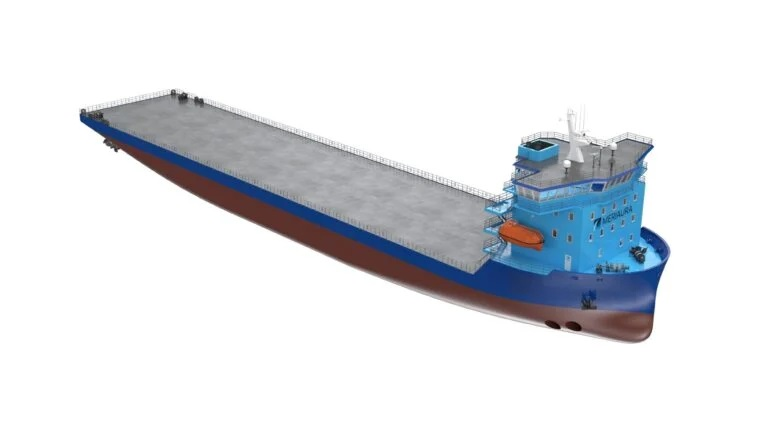
Decarbonization features include advanced multi-fuel capability and the planned use of Meriaura’s own biofuel within the future fuel mix to enable immediate fuel-related emission reductions. The ship is also specified with battery readiness via a plug-and-play setup. In addition, an optimized hull form and efficient engine technology are intended to improve fuel efficiency.
Commenting on the order, Business Development Director Jessica Saari said Meriaura’s open-deck carriers are market leaders in several heavy cargo segments in Northern Europe, while identifying further potential in regional short sea shipping. CEO Beppe Rosin described the contract as a milestone in the fleet renewal program, adding that an ice-class, Finland-flagged open-deck carrier is a valuable asset for Finland’s security of supply. He also pointed to a slightly larger size—similar to the Eco Traders currently being built—as a response to customer needs for greater flexibility across a wider operating area.