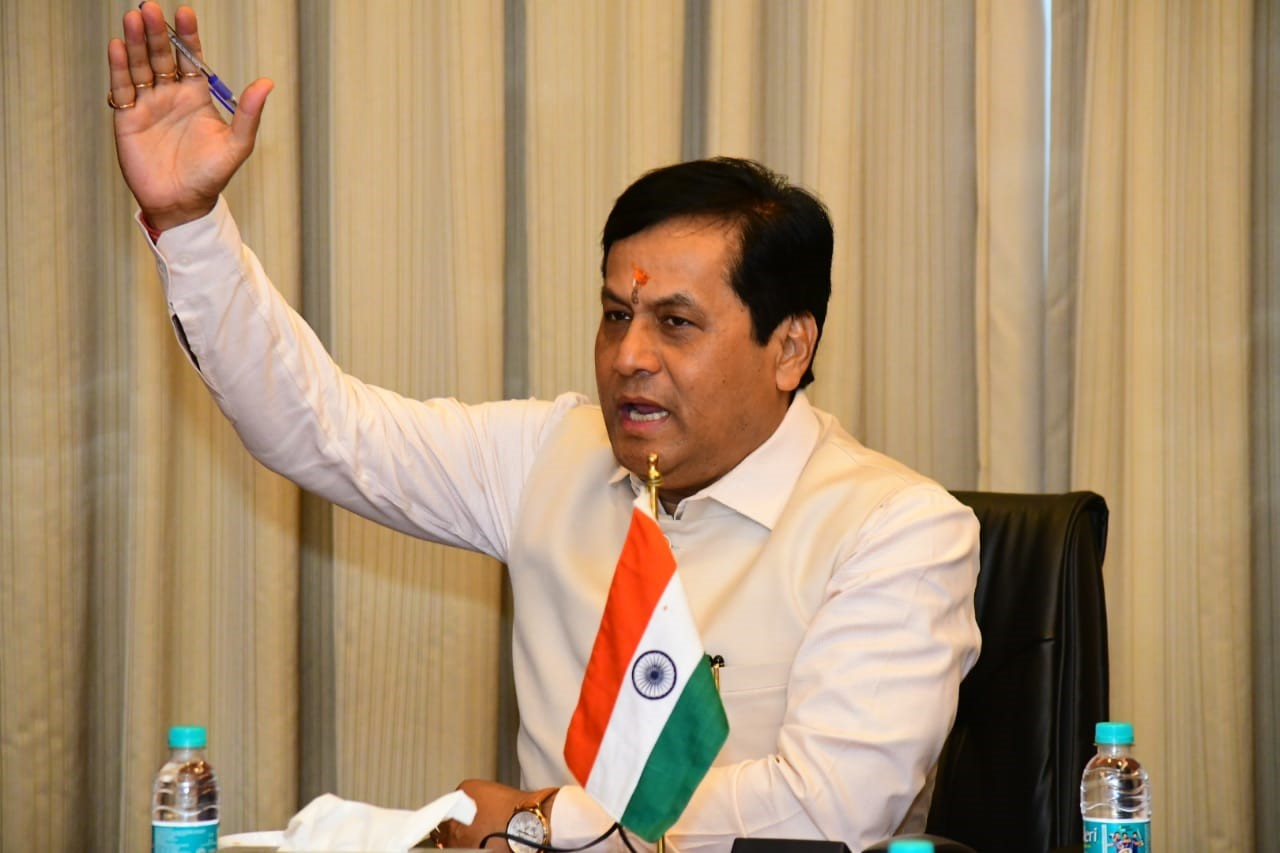
India is positioning South Korea as a core partner in its long-term plan to expand shipbuilding capacity and strengthen maritime security, according to Ports, Shipping and Waterways Minister Sarbananda Sonowal. Under the government’s “Viksit Bharat 2047” programme, this strategy is tied to a goal of putting India in the global top five for shipbuilding by 2047 as the country nears 100 years of independence.
To support that ambition, New Delhi plans to invest $24 billion to grow its commercial fleet from about 1,500 ships to 2,500 by 2030 and has cleared a separate support package of roughly $8 billion, or about 697 billion rupees, to revive the shipbuilding and wider maritime industries. Sonowal said these measures are aimed at reducing dependence on foreign yards and building a more self-reliant domestic newbuilding base.
Sonowal pointed to South Korean strengths in high-end ship design and construction, especially in LNG carrier projects, as well as tightly managed, efficient production lines that keep costs and delivery times under control. He added that Korea’s own rapid industrial rise—driven by targeted industrial policy, fast uptake of new technology, and a highly organised labour force—offers lessons India wants to apply to its 2047 goals.
India already has working relationships with major Korean yards, including Hanwha Ocean and HD Hyundai. In July, HD Hyundai signed a partnership agreement with Cochin Shipyard Ltd., described by Sonowal as the first arrangement of its kind between a large Korean shipbuilder and an Indian yard.
According to the minister, collaborations of this type are expected to deliver lasting benefits such as technology and skills transfer, the emergence of new shipbuilding hubs, and a more integrated domestic supply chain for the maritime sector. He said Indian–Korean joint ventures could also underpin additional yards in India that build ships for both local and export customers.
Sonowal stressed that India brings sizeable demand for new vessels, a large pool of skilled workers, and competitive cost levels, while South Korean companies contribute advanced ship design and production know-how. Combined with India’s location close to key East–West shipping lanes, he argued, this makes the country an attractive manufacturing base for Korean maritime and shipbuilding firms.
At the same time, he acknowledged that overseas investors can face obstacles in India, including long project timelines and the need for continued improvements in port and industrial infrastructure.
Beyond conventional ship construction, India wants to broaden cooperation with South Korea in areas such as digital port operations, low-carbon and green shipping, cybersecurity for ports and vessels, technology cooperation, and maritime skills training. Sonowal said he hopes Korean companies will act as long-term strategic investors, supporting India in adopting new vessel designs, more automated production processes and international quality standards.
The intention, he noted, is both to upgrade India’s shipbuilding capacity and to create mutual gains for the two countries in a global shipbuilding market that is becoming more competitive.