The Baltic Power offshore wind project, jointly developed by ORLEN Group and Northland Power, has installed the first three 15 MW turbines, each equipped with a nacelle manufactured at Vestas’ Szczecin facility. These units are the first offshore wind nacelles built in Poland to be installed at sea. The wind farm will include 76 turbines, several of which will be supplied from the Western Pomeranian plant.
Baltic Power reported that the nacelles produced in Poland have now been installed offshore and are undergoing commissioning preparations. The operation required extensive coordination across installation activities at sea and on land. Grzegorz Szabliński, President of the Management Board of Baltic Power, stated that teams continue working on the remaining offshore and onshore components.
Each nacelle produced in Poland forms part of a 15 MW turbine, which is considered one of the most advanced on the European market. The structure, similar in scale to a three-story building, contains equipment that converts wind energy into electricity. External components include the hub, along with lightning protection and cooling systems.
Production of the nacelles takes place at Vestas’ recently opened plant in Szczecin, where the company employs over 600 people. Baltic Power is the first project to install nacelles from this facility. The installations took place nearly three years after Baltic Power selected Vestas as its turbine supplier and Vestas decided to build the plant for its V236-15 MW units in Poland.
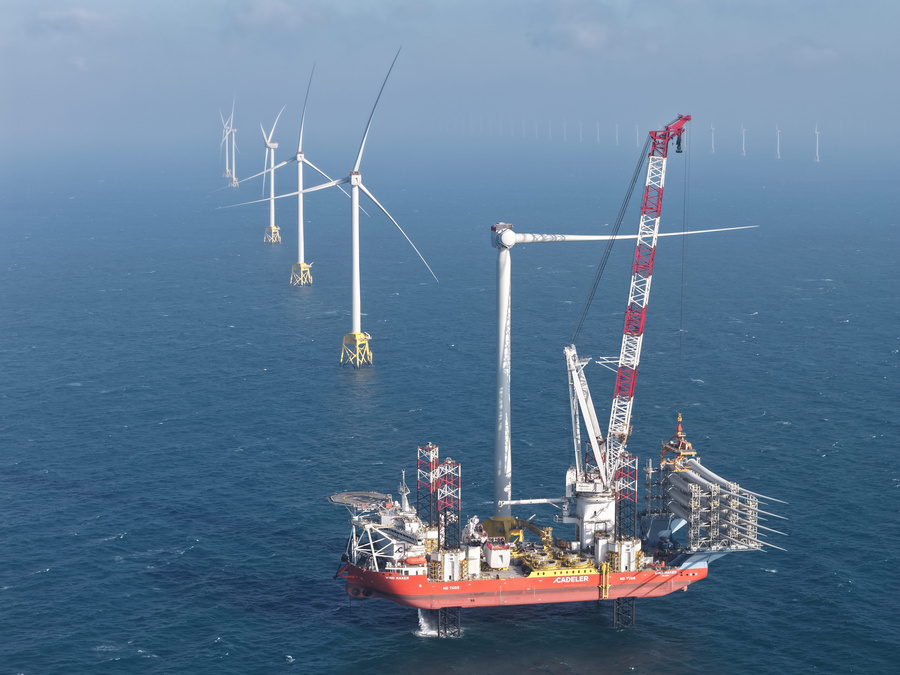
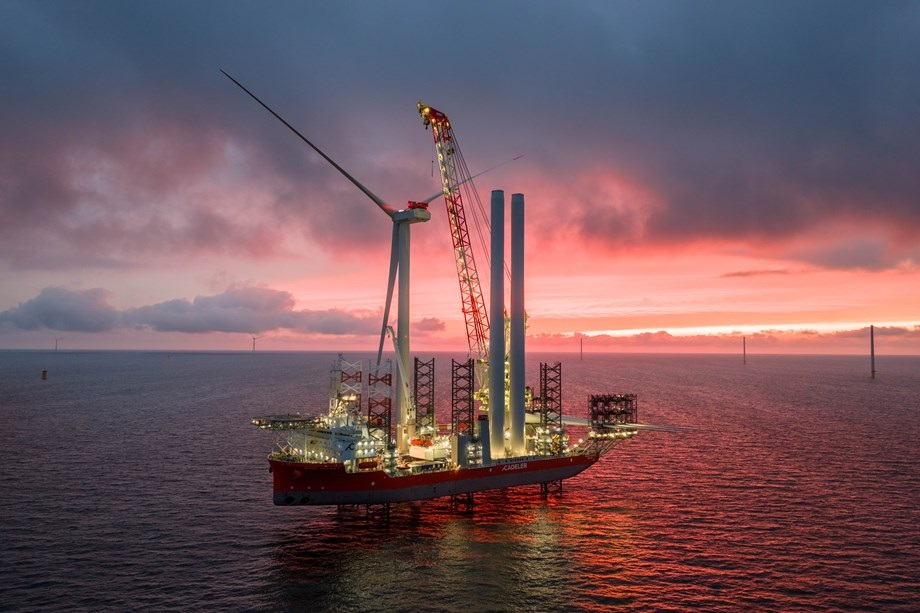
In addition to nacelles produced in Szczecin, the project will incorporate components manufactured at Vestas’ Lindo factory in Denmark. Offshore turbine installation began in July 2025, supported by an O-class jack-up vessel from Cadeler and additional CTV and SOV vessels.
When assembled, each turbine and its monopile foundation will reach a height of more than 250 m. The 115.5 m blades create a swept area larger than six football fields. The project also includes the use of recycled steel in the upper sections of certain towers, resulting in an estimated 10% reduction in carbon footprint for those elements.
According to Jens Poulsen, Project Director and Board Member of Baltic Power, the installation of nacelles from Szczecin is an example of cooperation among participating companies and organizations.
The nacelles from Poland are part of a wider group of components produced domestically for the Baltic Power wind farm. Polish companies have supplied offshore substation topsides (Grupa Przemysłowa Baltic, ARP), onshore cables (Tele-Fonika Kable), and transition-piece elements (Smulders Polska). Additional domestic involvement covers environmental studies, logistics, and transportation. Construction of the onshore substation is carried out jointly with Enprom, while the operations and maintenance base in Łeba was delivered by Erbud. The projected local content over the full 30-year lifetime of the wind farm is expected to exceed 21%, in accordance with Sector Deal guidelines for Phase I projects.
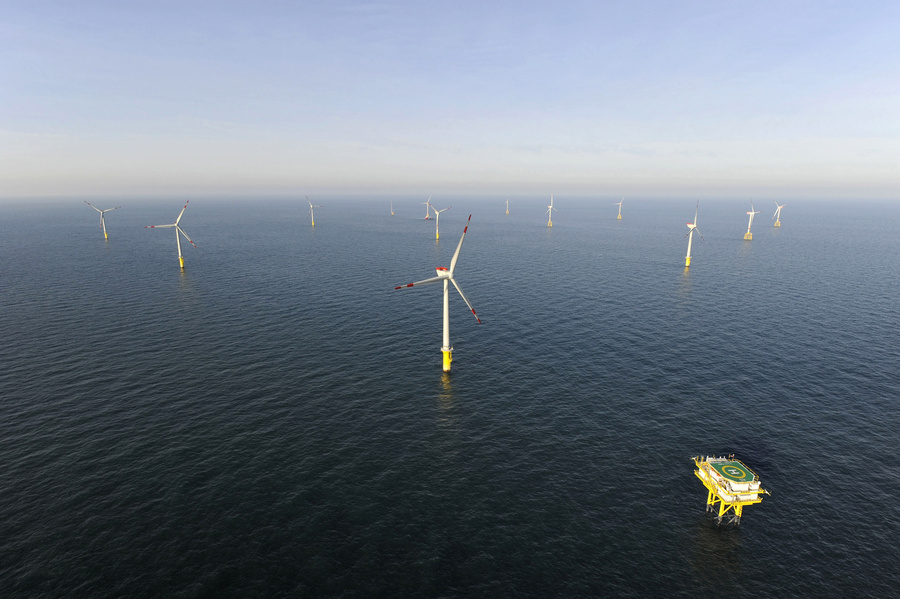
Baltic Power is the most advanced offshore wind development currently under construction in Poland and the first to begin offshore installation work. Once completed, the wind farm is expected to produce up to 4 TWh of electricity annually, equal to about 3% of Poland’s current electricity demand—enough to supply approximately 1.5 million households. The project site covers 130 km², located 23 km from the coast near Choczewo and Łeba, and is scheduled to become fully operational in 2026.