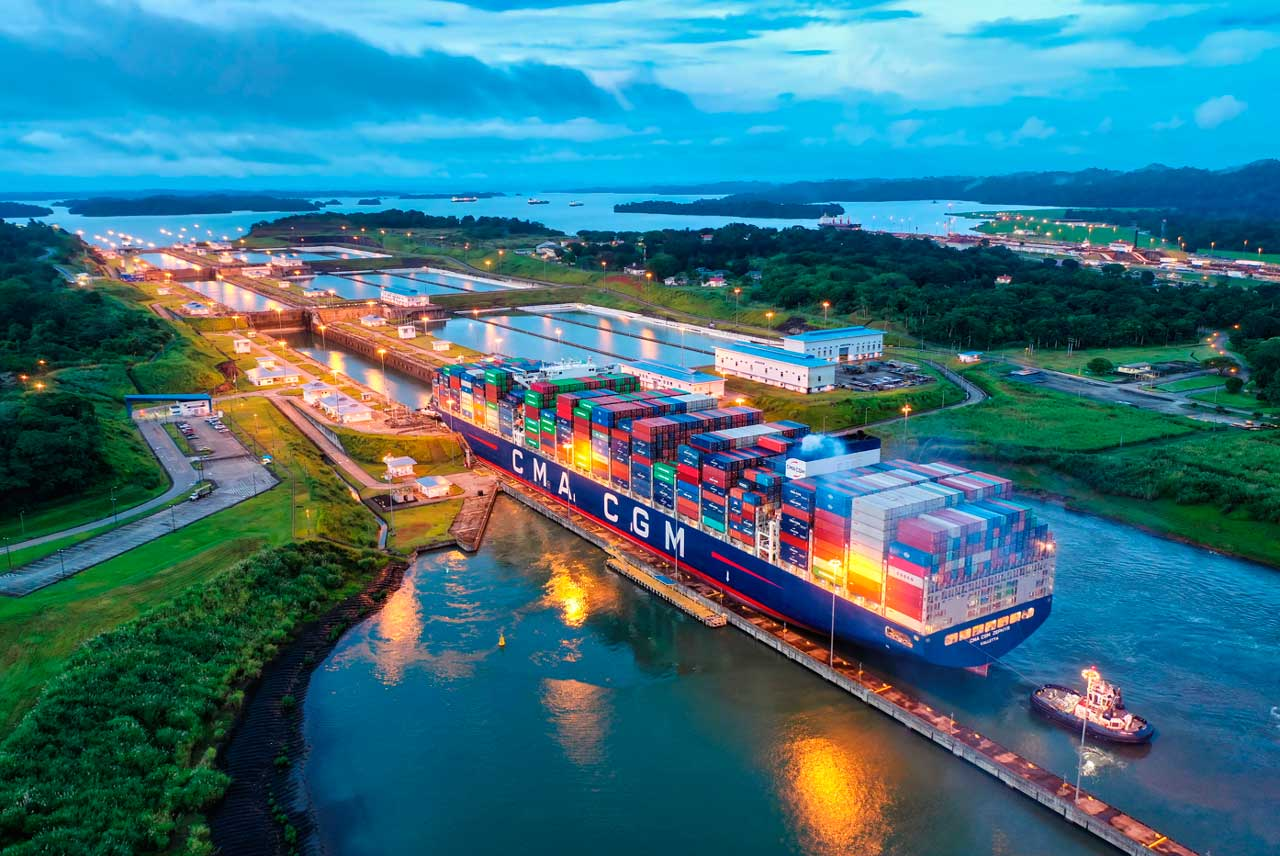
The Panamanian government has presented a detailed timeline for an US $8.5 billion investment program designed to enhance the long-term capacity, efficiency, and sustainability of the Panama Canal. The plan includes a mix of infrastructure works, environmental management, and digital transformation projects to ensure the canal remains a critical artery of global maritime trade.
According to the outline, the modernisation initiative will unfold in multiple phases over the next five to ten years. Early works will prioritise securing additional water sources to maintain consistent canal operations during drought periods, a growing concern that has recently reduced daily vessel crossings. The roadmap also features improvements to logistics infrastructure, new water reservoirs, lock maintenance, and upgrades to the canal’s digital control systems.
Officials explained that the plan will be financed through a combination of state funds and reinvested canal revenues, while also leveraging partnerships with private entities for specific technical and engineering services. The Panama Canal Authority (ACP) has stressed that the program’s main objective is to ensure the canal’s resilience amid climate variability, while expanding its service capacity to meet rising global trade demands.
In addition to environmental and operational upgrades, the investment package will address energy efficiency and hydrological management, allowing the canal to handle increased traffic volumes sustainably. Analysts view the US $8.5 billion schedule as a strategic response to both economic pressures and competitive threats from alternative shipping routes, such as the Suez Canal and Arctic passages.
This initiative positions Panama to strengthen its role as a regional logistics hub while setting a long-term foundation for stable maritime growth across the Americas.