A fatal accident at the Tuzla ship repair zone in Istanbul, Turkey, has once again drawn attention to ongoing safety challenges in the country’s maritime sector.
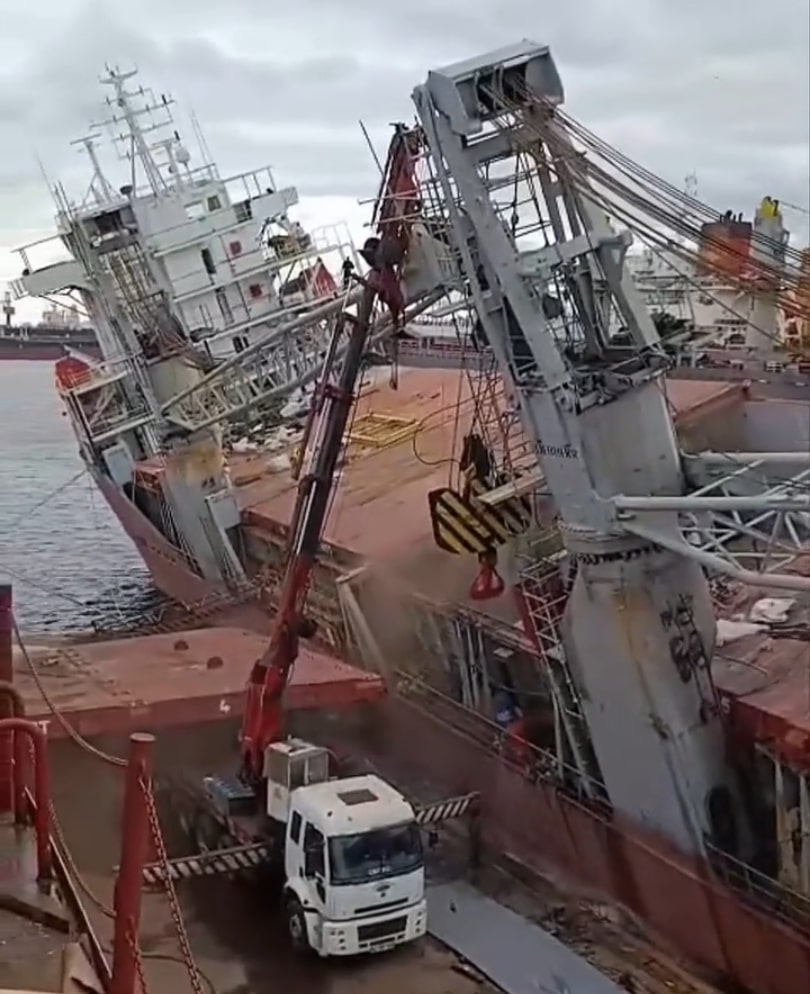
According to local reports, a vessel undergoing repair at a Tuzla shipyard suddenly listed and capsized on October 9, 2025, resulting in the confirmed death of one worker and injuries to several others. Emergency response units — including firefighters, coast guards, and medical teams — were immediately deployed to the site.
Preliminary findings indicate that a 46-year-old Ukrainian technician lost his life after being trapped near the slipway gate as the ship heeled and partially submerged at the dock. While official confirmation is still pending, some unverified reports suggest that a second worker may also have died in the incident.
Images circulating on social media show the vessel leaning heavily to one side, its deck partially underwater — a scene reminiscent of past industrial accidents in Tuzla, which has developed a reputation for frequent safety incidents involving fires, explosions, and falls over the past decade.
Experts note that the latest tragedy underscores persistent shortcomings in stability assessments, risk evaluations, and work planning during complex repair operations — areas that are crucial to preventing catastrophic outcomes.
As ship retrofitting and propulsion-system upgrades expand globally, industry leaders are urging a renewed focus on engineering discipline, operational safety, and human factor management.
“Risk assessment is not bureaucracy — it’s the boundary between safety and tragedy,” one safety consultant remarked in a post-incident reflection.
The Tuzla accident serves as a stark reminder that lives lost in preventable incidents should not be treated as statistics but as warnings demanding systemic change.