The Trump administration has started a phased reorganization of offshore energy oversight at the U.S. Department of the Interior, placing key regulatory functions under the newly created Marine Minerals Administration.
Under the plan, functions now carried out by the Bureau of Ocean Energy Management and the Bureau of Safety and Environmental Enforcement will be brought together within one structure. Leasing, permitting, inspections and environmental oversight will sit under the same organizational framework. Interior said the change is intended to improve coordination and efficiency while keeping current safety and environmental protections in place.
Interior Secretary Doug Burgum said the new agency structure is meant to reflect the current direction of offshore development as federal oversight expands beyond oil and gas to include critical minerals and other emerging offshore resources.
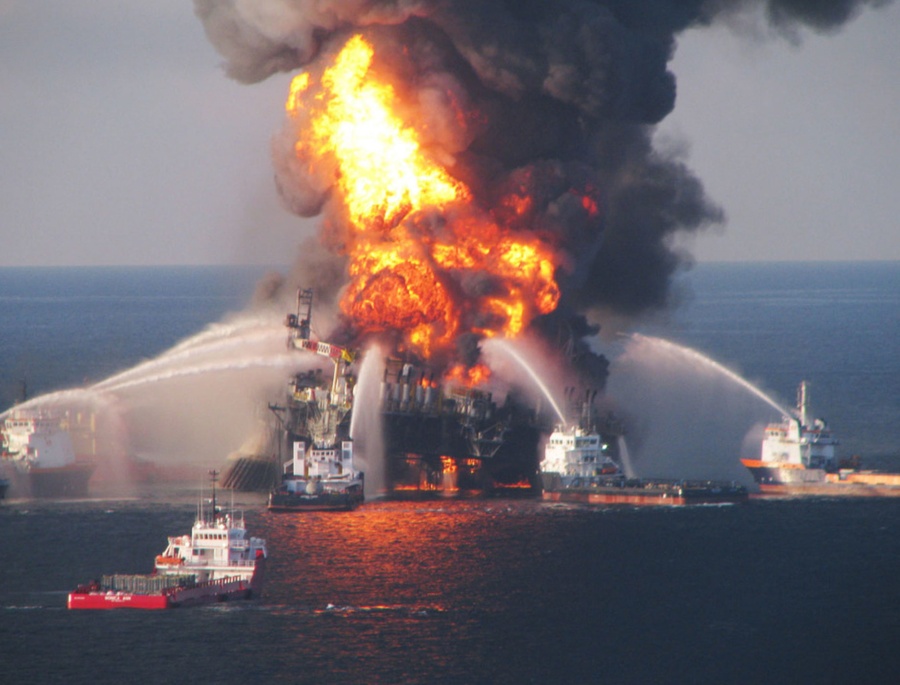
The move changes the regulatory model adopted after the Deepwater Horizon explosion and oil spill. In 2011, Interior dismantled the former Minerals Management Service after the disaster exposed weaknesses in federal offshore oversight. Separate agencies were then established so that leasing and resource planning would not be handled by the same body responsible for safety and environmental enforcement.
Interior’s latest step brings those planning and enforcement functions back under one umbrella. The department said statutory authorities and regulatory protections will remain unchanged during the transition, while the new structure is expected to reduce duplication and support decision-making across the full offshore development cycle.
The timing is notable because Interior had reinforced the split more recently. In 2023, offshore renewable energy safety oversight was moved from BOEM to BSEE as officials sought clearer responsibility lines while the offshore wind sector developed.
The reorganization comes as the Trump administration pushes for wider offshore energy development following passage of the One Big Beautiful Bill Act, which requires 30 Gulf lease sales and six Cook Inlet auctions in Alaska over the coming decades. The Gulf Outer Continental Shelf covers about 160 million acres and is estimated to hold nearly 30 billion barrels of undiscovered, technically recoverable oil and more than 54 trillion cubic feet of natural gas.
Interior said the transition will proceed in phases, with no immediate changes to regulatory requirements or protections. It has not yet provided detailed explanations of how internal separation between leasing and enforcement functions will be maintained within the new structure.