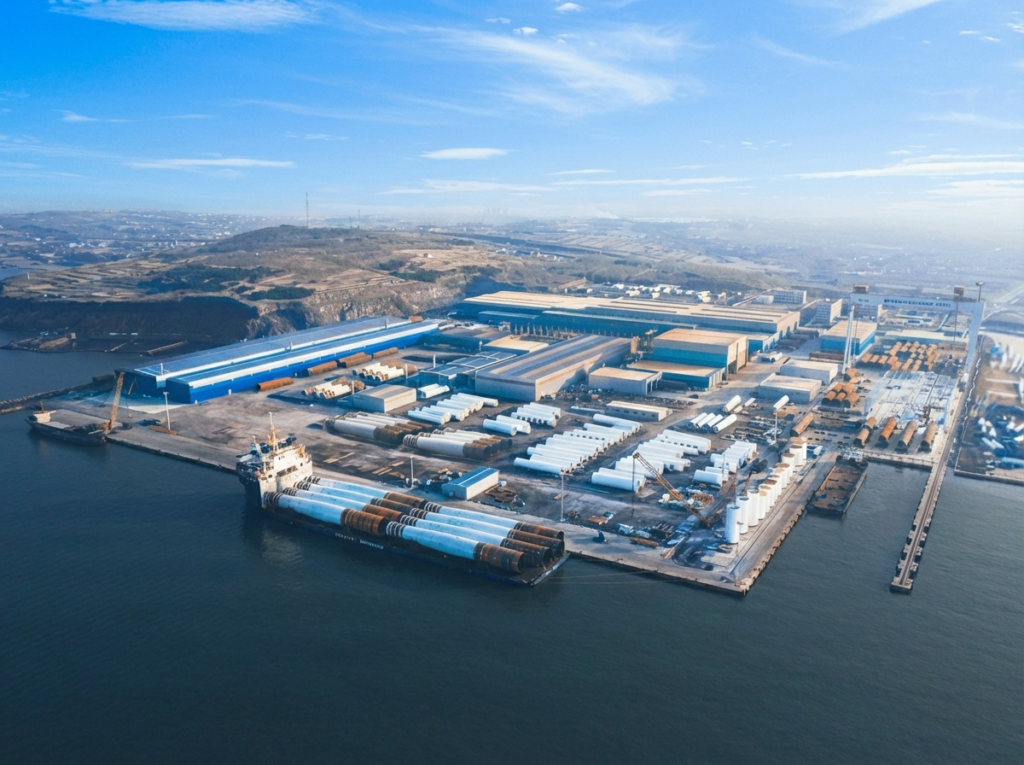
The UK government set out how its latest renewables support round—Contracts for Difference Allocation Round 7 (AR7)—was run for the first time alongside the new Clean Industry Bonus (CIB), aiming to steer more offshore wind spending into UK manufacturing capacity, port infrastructure, and local supply networks.
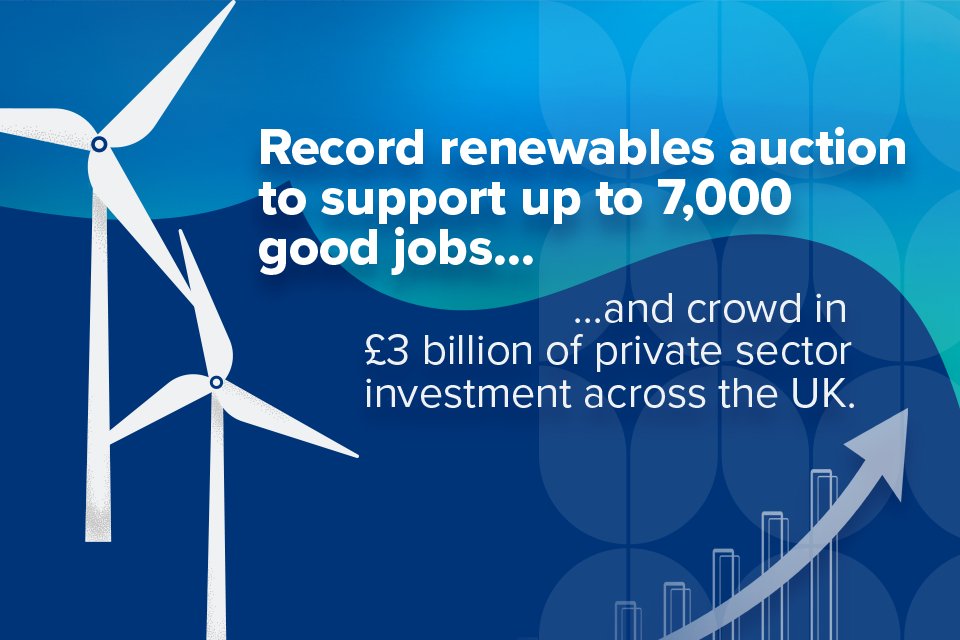
According to the government, £204 million of public funding under the CIB has leveraged £3.4 billion of private investment, with developers expected to procure project infrastructure from across Britain’s industrial regions. The government described the mechanism as delivering £17 of private capital for every £1 of public money used to incentivise domestic supply chains.
The package is linked to up to 7,000 jobs, based on industry estimates submitted with CIB applications. The roles cited include electricians, welders, and engineers, and the government said it expects the offshore wind sector to support 100,000 jobs by 2030. It also framed the auction outcomes as part of its wider target of 400,000 new clean energy jobs by 2030.
Scotland is singled out for up to £1.1 billion in supply-chain investment and up to 2,400 clean energy jobs. The government said investment will flow to ports including Nigg and Aberdeen, as well as Scottish manufacturers producing offshore wind equipment, and linked the policy to a goal of creating up to 40,000 additional jobs in Scotland by 2030.
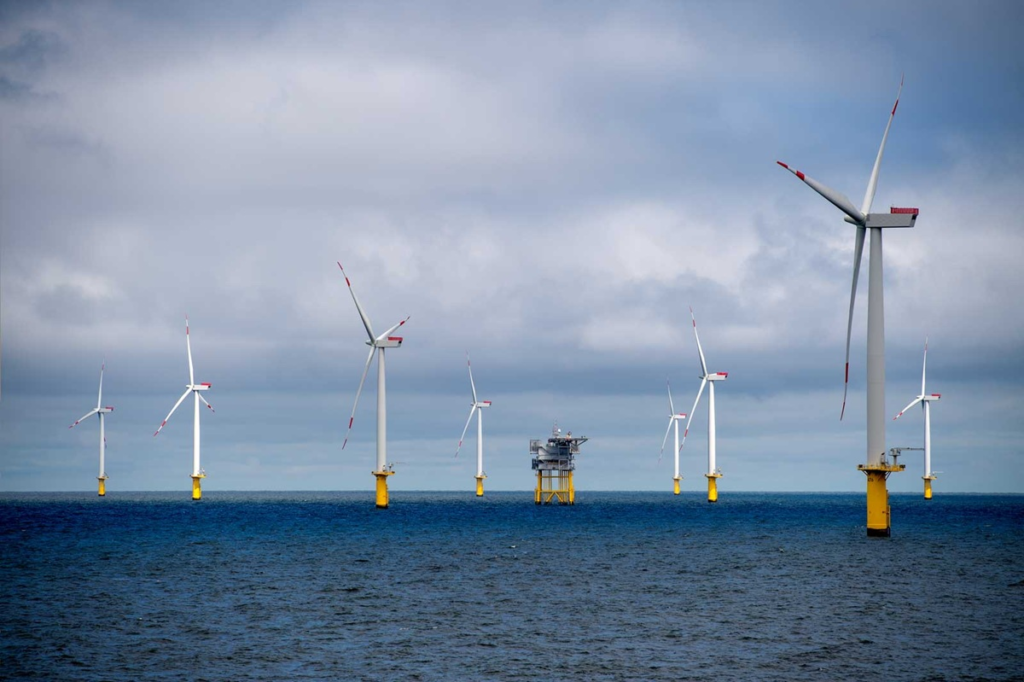
The government said AR7 secured a record 8.4 GW of offshore wind capacity, enough to generate clean electricity to power the equivalent of over 12 million homes, and described it as the biggest single procurement of offshore wind energy in European history. It also pointed to other job pipelines, including the decision to approve Sizewell C—supporting an average of 10,000 jobs per year during construction—and 4,800 jobs already set to be created through CCUS projects in North West England, North Wales and Teesside.
The government added that the final CIB allocation of c.£204 million remains subject to developers’ final procurement decisions.