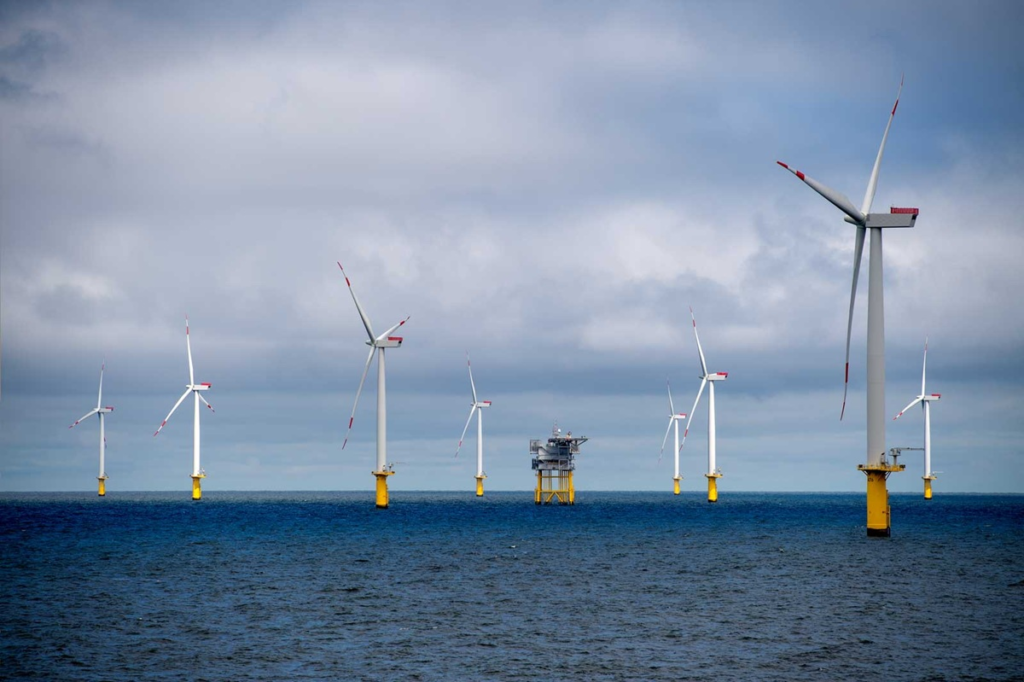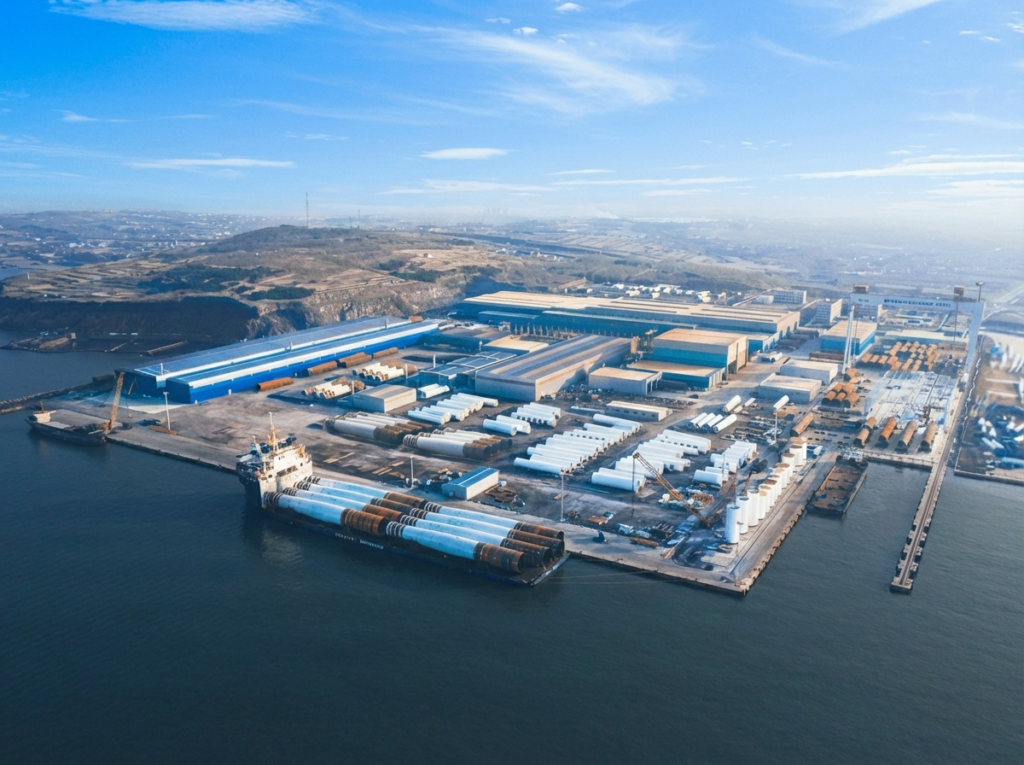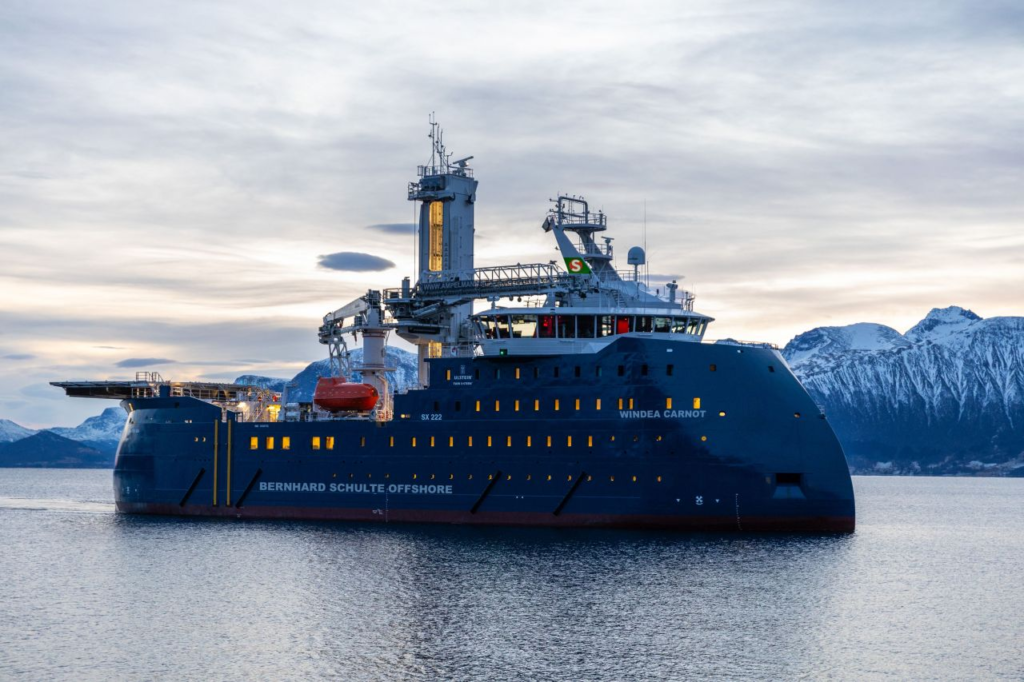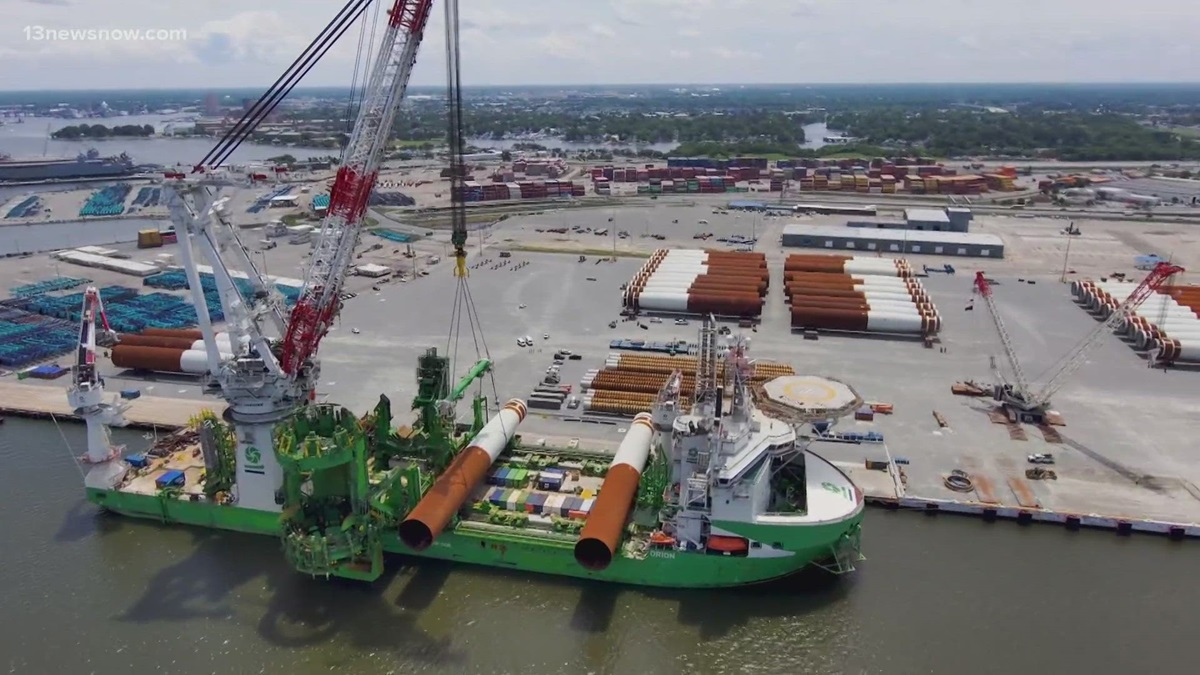
On Monday, the Trump administration suspended leases for five large offshore wind projects under construction off the U.S. East Coast, citing national security concerns raised by the Pentagon, the Associated Press (AP) reported.
According to AP, the suspension took effect immediately and was described by officials as a “pause” so the Interior Department, which oversees offshore wind leasing, can work with the Defense Department and other agencies to explore ways to address possible security risks from the projects. The administration did not set an end date and did not publicly spell out the specific risks.
Interior Secretary Doug Burgum said in a statement, as reported by AP, that the U.S. government’s primary duty is to protect its people. He linked the decision to emerging threats, the rapid development of adversary technologies and vulnerabilities created by large offshore wind farms located near major East Coast population centers.
The move comes about two weeks after U.S. District Judge Patti Saris in Massachusetts struck down President Donald Trump’s Jan. 20 executive order that had sought to halt wind energy projects. AP said Saris ruled the order unlawful and described the broader effort to stop most leasing of wind farms on federal lands and waters as arbitrary and inconsistent with U.S. law. The case was brought by a coalition of attorneys general from 17 states and Washington, D.C., led by New York Attorney General Letitia James.
Leases are now on hold for five projects: Vineyard Wind off Massachusetts, Revolution Wind serving Rhode Island and Connecticut, Coastal Virginia Offshore Wind, and two New York projects, Sunrise Wind and Empire Wind.
The Interior Department pointed to unclassified U.S. government studies that say spinning turbine blades and reflective towers at sea can interfere with radar by creating “clutter” that hides genuine targets and produces false ones near offshore wind farms, AP reported.
National security specialist Kirk Lippold, a former commander of the USS Cole, disputed the administration’s argument. According to the AP report, he said the projects received permits only after years of review by state and federal agencies, including the Coast Guard, the Naval Undersea Warfare Center and the Air Force, and argued that widening the country’s energy mix would ultimately strengthen, not weaken, national security.
Sen. Sheldon Whitehouse, a Democrat from Rhode Island, said Revolution Wind had already undergone a thorough federal review that covered any potential security questions, and said Burgum’s decision looked more like political retaliation than a response to new evidence, according to AP.
AP noted that Trump has been hostile to renewable energy, especially offshore wind, while favoring fossil fuels. He has repeatedly criticised wind turbines as costly, unattractive and harmful to birds and other wildlife.
Wind proponents quoted by AP called the suspension unlawful and warned it would slow the rollout of affordable, reliable clean power. Ted Kelly of the Environmental Defense Fund said the administration had obstructed offshore wind for nearly a year, even as electricity demand is rising, and argued that blocking projects capable of supplying relatively low-cost domestic renewable energy would ultimately hurt consumers.
Connecticut Attorney General William Tong described the lease suspension as a lawless, erratic stop-work order that revives a previous, failed attempt to halt construction of Revolution Wind. He said each day of delay means lost jobs, higher energy costs and continued reliance on fossil fuels, and said his office is evaluating all legal options, AP reported.
By contrast, a New Jersey group that opposes offshore wind welcomed the decision. Robin Shaffer, president of Protect Our Coast New Jersey, argued that placing turbines owned by foreign-based companies close to the Atlantic coastline is unacceptable and said the Empire Wind project lies too near major airports such as Newark Liberty, LaGuardia and JFK. AP reported that critics also say large offshore wind arrays could threaten commercial and recreational fishing.
AP reported that developers involved in U.S. offshore wind projects include Denmark-based Orsted, Norway’s Equinor and a subsidiary of Spain’s Iberdrola. Orsted, which owns two of the affected projects, saw its share price fall by more than 11% on Monday.
Richmond-based Dominion Energy, developer of Coastal Virginia Offshore Wind, said in a statement that the nearly 70%-complete project is essential for meeting Virginia’s rapidly growing power demand, driven by dozens of new data centers, and for supporting national security. The company warned that stopping the project for any length of time could undermine grid reliability, push up energy prices and threaten thousands of jobs, according to AP.
Energy expert David Shepheard of global consulting firm Baringa said pausing the Virginia project risks creating a “perfect storm” for customers by putting pressure on both affordability and grid stability, AP reported.
Source: AP