The Trump administration is preparing a proposal that would reopen offshore oil and gas drilling along the California coast for the first time in decades, according to a draft plan reviewed by The Washington Post.
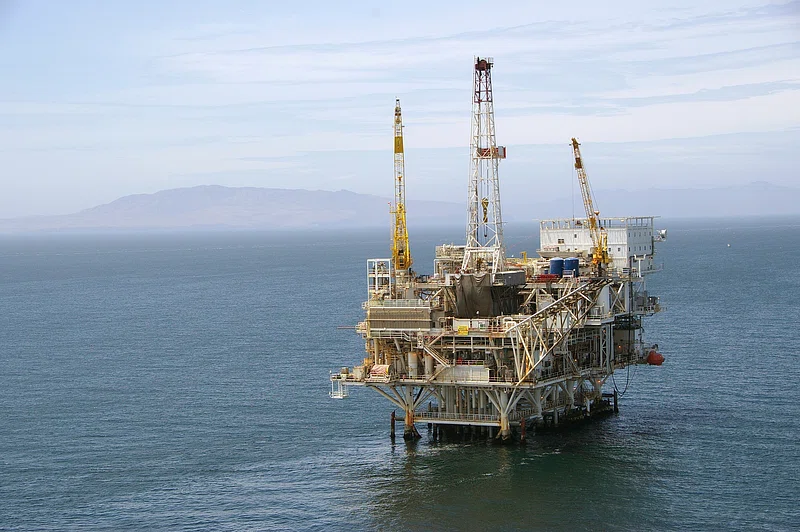
The proposal outlines six offshore lease sales between 2027 and 2030 along California’s coastline, in addition to lease sales planned in the eastern Gulf of Mexico — an area that Donald Trump called the “Gulf of America.” The eastern Gulf has historically been protected due to bipartisan opposition in Florida, where concerns persist over oil spills and potential damage to tourism.
California Governor Gavin Newsom, speaking at the Cop30 climate summit in Brazil, sharply rejected the proposal, declaring it “dead on arrival.” He added that the state would resist any attempt to reintroduce offshore drilling, noting that “Trump wants rigs off California but not off Florida — not near Mar-a-Lago. It’s never going to happen.”
California has not issued new offshore oil and gas leases in state waters since 1994, when legislation was passed following a series of oil spills. Federal leasing beyond state waters has been effectively halted since the 1980s, after the 1969 Santa Barbara spill, which played a central role in launching the modern environmental movement.
The draft plan also indicates the administration’s interest in expanding exploration in Alaska, with over 20 potential lease sales under review through 2031, including areas in the High Arctic about 320 km offshore. The broader federal offshore leasing program, if finalized, would remain in effect for five years.
Environmental organizations have condemned the proposed expansion. Pete Stauffer of the Surfrider Foundation warned that new offshore drilling “will damage coastlines and communities, while threatening recreation and tourism industries that contribute billions to the national economy.” The group pledged to oppose the plan across all U.S. coastal regions.
It remains unclear how much industry interest there will be in California lease sales compared with established drilling zones in the Gulf of Mexico off Louisiana and Texas, because of proximity to existing support infrastructure. The plan is still at least a year away from potential approval.