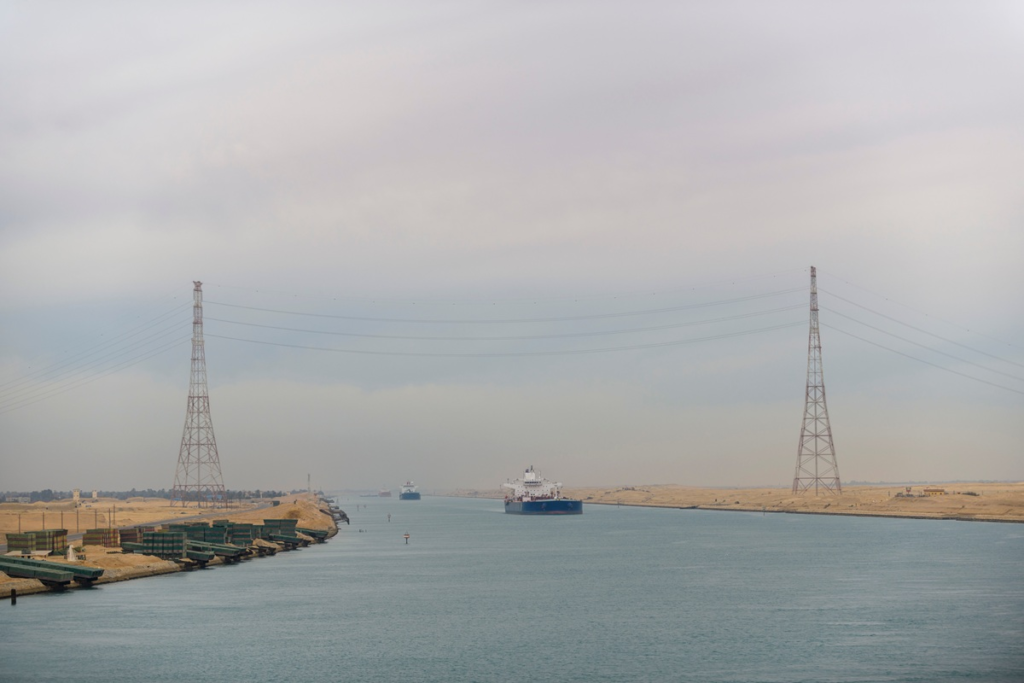
Suez Canal traffic remains far from normal, even as security conditions in the Red Sea improve. According to BIMCO, cargo capacity moving through the canal in the first week of 2026 was only about 40% of the volume handled in the corresponding week of 2023, before large numbers of ships opted for the longer route via the Cape of Good Hope.
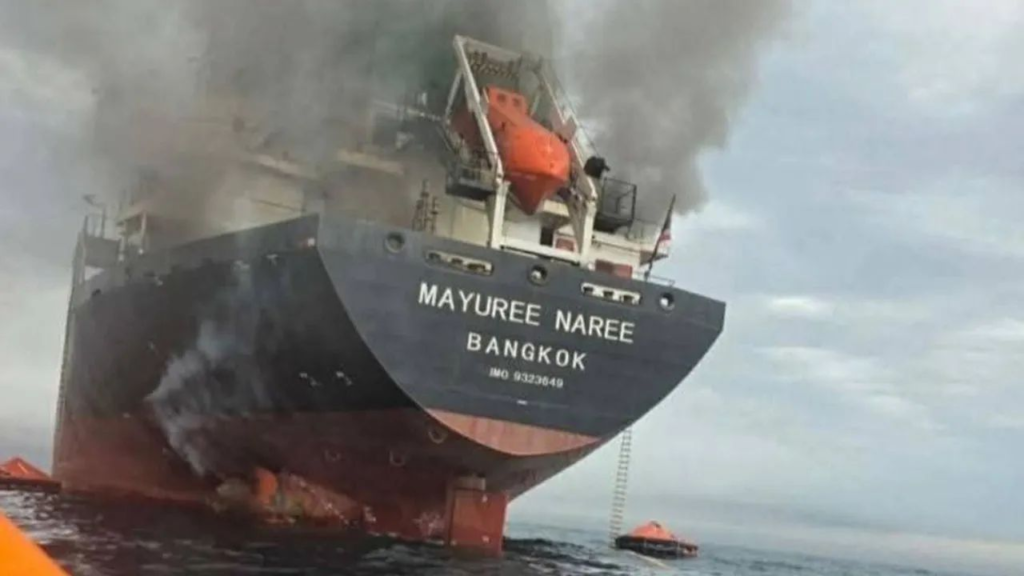
The gap has opened up even though no new attacks have been reported for roughly 100 days. The last recorded incident occurred on 29 September 2025, when the Minervagracht was struck, and the Houthi movement announced an end to its attacks on merchant shipping 43 days later. Since the campaign began in November 2023, almost 100 vessels have been attacked or hijacked.
BIMCO chief shipping analyst Niels Rasmussen notes that the sharp decline in Suez usage only became fully visible from January 2024. From that point onwards, quarterly deadweight capacity through the canal has generally been 51–64% below 2023 levels.
The pattern continued during 2025. For the year as a whole, deadweight transits were 57–64% under pre-crisis levels. In the fourth quarter of 2025, passages by bulk carriers, container ships, crude oil tankers, and product tankers were 55%, 86%, 32% and 19% lower, respectively, than in the same period of 2023. Rasmussen describes the reductions as relatively stable across most shipping segments throughout 2025.
Product tankers stand out as the main exception. Supported by higher freight rate premiums, more vessels in this segment have continued to route via the canal. Data from Clarksons Research shows that in the final quarter of 2025, product tanker transits were only 19% below 2023 levels, compared with a 45% shortfall during 2024.
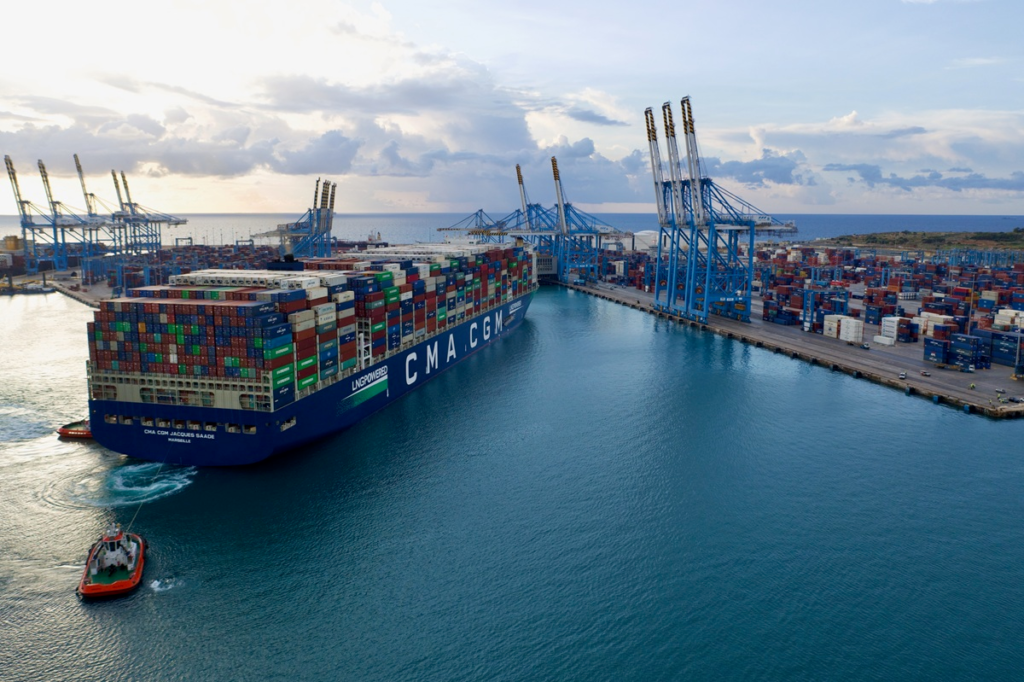
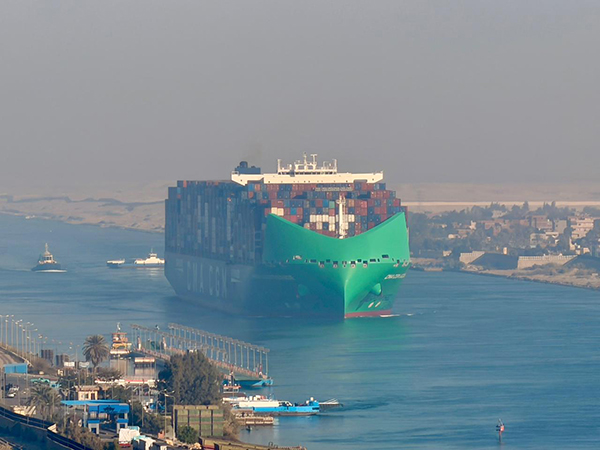
Container carriers, by contrast, have largely stayed away from the Red Sea corridor. However, CMA CGM has announced that its MEDEX and INDAMEX services will be switched back to Suez routings from January 2026. There are also tentative signs of a return from Maersk. On 19 December 2025, the Maersk Sebarok became the first vessel from the line to pass through the canal since early 2024. Maersk has not laid out a full schedule of further voyages, but has indicated that, provided its security criteria remain satisfied, it aims to take a stepwise approach to restoring services on the East–West corridor via the Red Sea and Suez.
Insurance pricing may further support a gradual shift back from the Cape route. In early December, S&P Global reported that Red Sea war risk cover had eased to about 0.2% of hull value, compared with roughly 0.5% before the Israel–Hamas ceasefire, and at the lowest level since November 2023.
Rasmussen said that the prospects for a move back towards normal transit patterns are now better than at any time during the last two years, although the timing and speed remain uncertain. He added that a broad return to Suez routings would lower operating costs for shipowners but reduce tonne-mile demand. BIMCO estimates that a full normalisation could leave effective container ship demand about 10% lower, while other segments could see declines of roughly 2–3%.