Subsea 7 delivered adjusted EBITDA of $407 million in the third quarter, marking a 27% increase from the previous year. Quarterly revenue reached $1.8 billion, supported by steady activity across subsea, conventional and renewables operations.
The Luxembourg-listed company reported an EBITDA margin of 22%, up from 18% a year earlier. It maintained its full-year guidance, expecting revenue between $6.9 billion and $7.1 billion and adjusted EBITDA margins of 20–21%. The order backlog rose to a record $13.9 billion, compared with $11.8 billion at the end of June, with $3.8 billion in new awards added during the quarter. Of the total, $6 billion is scheduled for 2026 and $3.8 billion for 2027.
Chief executive John Evans said the stronger results reflected reliable execution in subsea and conventional work, alongside a continued shift toward contracts offering “a more favourable risk-reward balance.” He noted that order intake for the period resulted in a book-to-bill ratio above two.
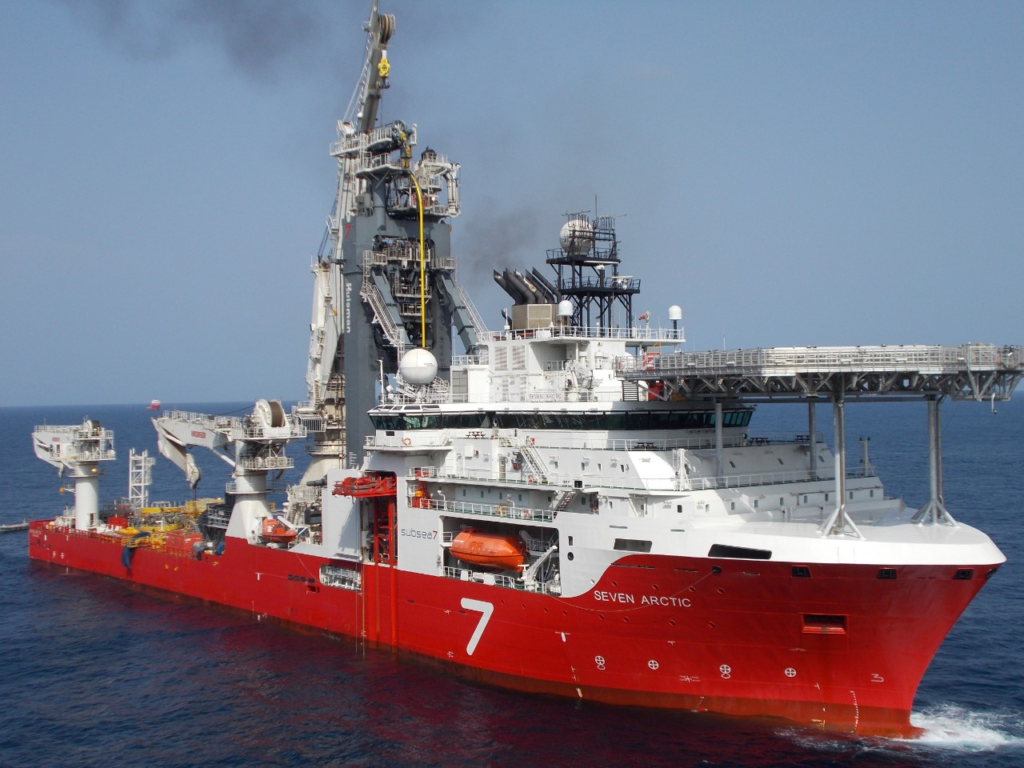
Operational activity spanned multiple regions. In the UK, Seven Navica continued work at the Murlach and Bittern-Belinda fields. In Norway, Seven Vega progressed activity at Yggdrasil, while Seven Oceans, Seven Navica and Seven Arctic operated at Irpa and Øst Frigg. Subsea 7 also deployed Seven Borealis and Seven Pacific offshore Angola, and Seven Waves began its three-year contract with Petrobras in Brazil.
Renewables activity advanced through the quarter. Seaway Strashnov completed installation of 87 monopiles at Dogger Bank C in the UK. Seaway Alfa Lift continued transition-piece installation, and Seaway Ventus resumed operations at East Anglia Three following crane repairs. In the United States, Seaway Aimery began cable-laying activity at the Revolution project after a stop-work order was lifted.
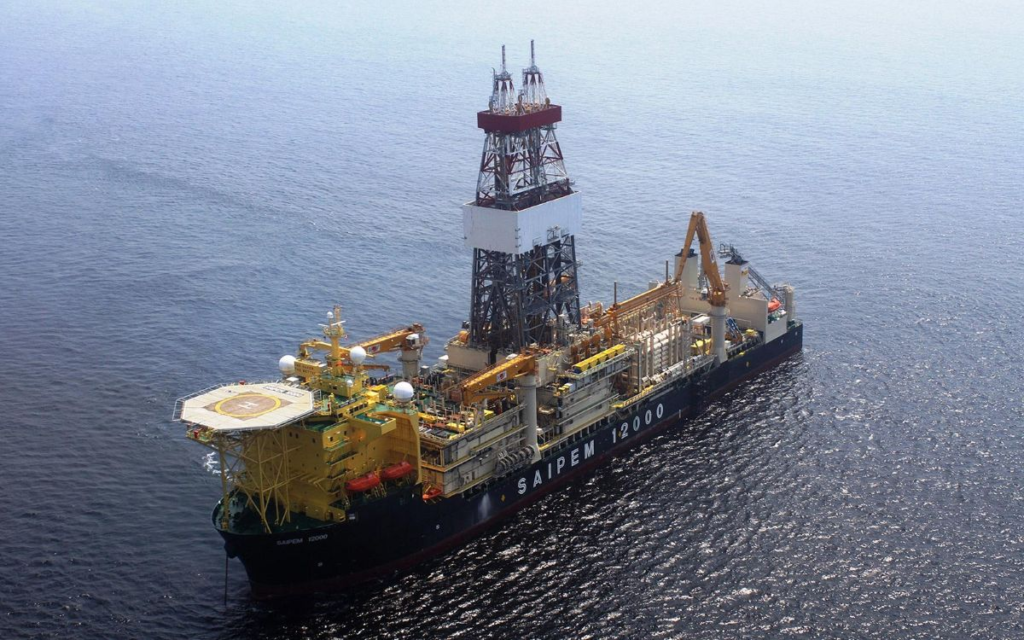
Evans said the company expected momentum to continue, supported by a backlog “approaching $14 billion” and active tendering across upcoming opportunities. Subsea 7 also continued work on its planned €20 billion combination with Saipem, announced earlier this year, intended to broaden the companies’ global presence and reinforce their role in long-cycle offshore work.