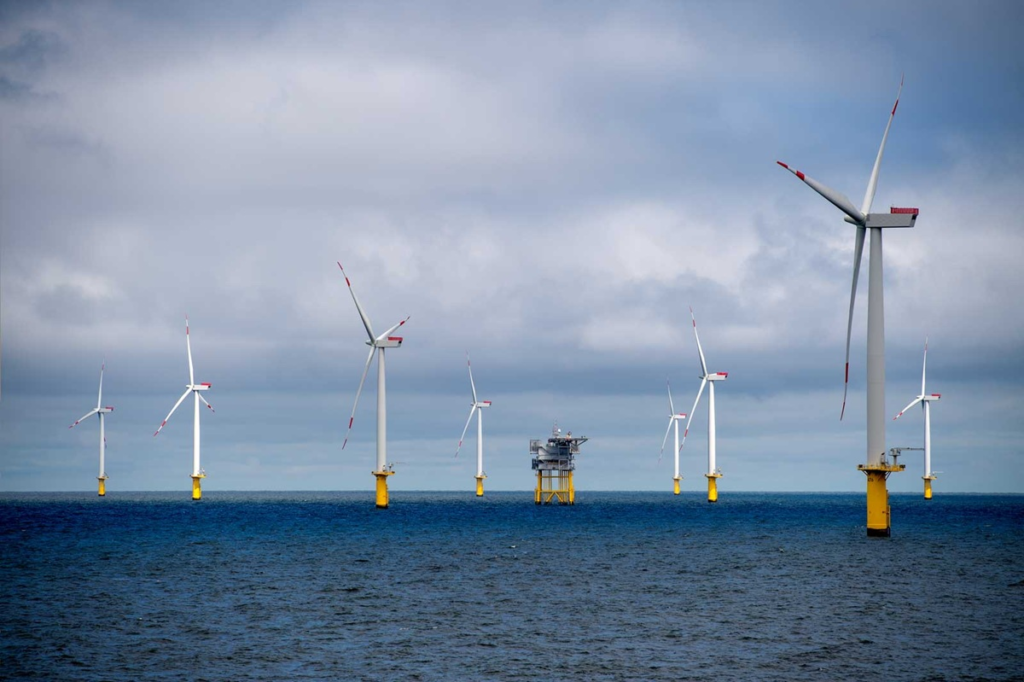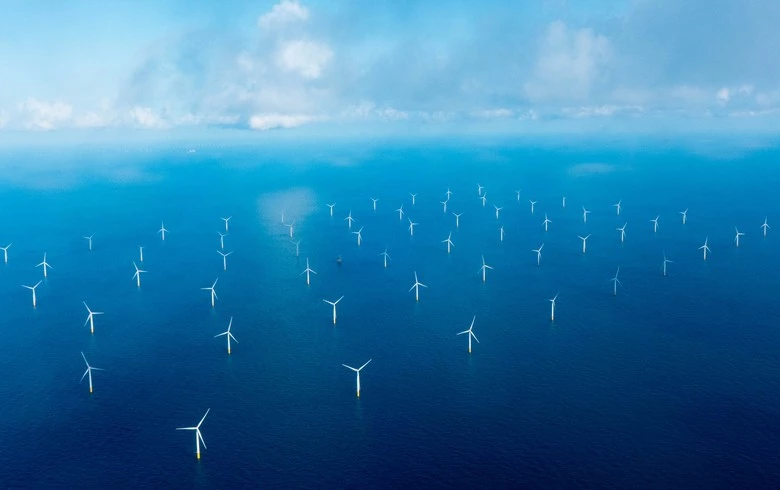
Star of the South, which the developer describes as the most advanced of Australia’s offshore wind projects, has lodged an Environmental Impact Statement (EIS), the main environmental approval needed for the project to proceed.
The submission follows several recent milestones. The developer has purchased 120 hectares of farmland on the Gippsland coast near Reeves Beach, the planned landfall point for the project’s export cable. Star of the South has also signed an Engagement Agreement with the Traditional Owners through the Gunaikurnai Land and Waters Aboriginal Corporation (GLaWAC).
Last month, the Australian government renewed Major Project Status for Star of the South, enabling the project to continue receiving tailored support from the Major Projects Facilitation Agency for a further three years, including assistance with regulatory approvals. The offshore wind farm was first awarded Major Project Status in 2022.
According to the company, the EIS builds on seven years of work across technical and environmental fields. Star of the South, which could have up to 2.2 GW of installed capacity, has been under development since 2017. The project secured an Exploration Licence in 2019 and a Feasibility Licence in 2024 to investigate offshore wind potential in Bass Strait, off the coast of Gippsland.
Initial feasibility studies are now complete. These cover wind resource measurements from 2019 to 2022, a geophysical survey of the seabed in 2020, geotechnical seabed investigations in 2023, and marine and land-based environmental and cultural heritage surveys carried out from 2020 to 2024. The developer has also undertaken detailed supply chain and workforce studies and extensive community consultation.
Chief executive Charles Rattray said the environmental assessment draws on seven years of scientific studies and consultation to understand the local environment and how best to safeguard it, and that this work is intended to give government and the community confidence that the project will be delivered in a responsible way.
The company says that, if all required approvals are obtained, construction of the offshore wind farm could start later this decade to support the National Electricity Market and broader changes in Victoria’s energy system, with Yallourn Power Station scheduled to close in 2028 and Loy Yang A in 2035.