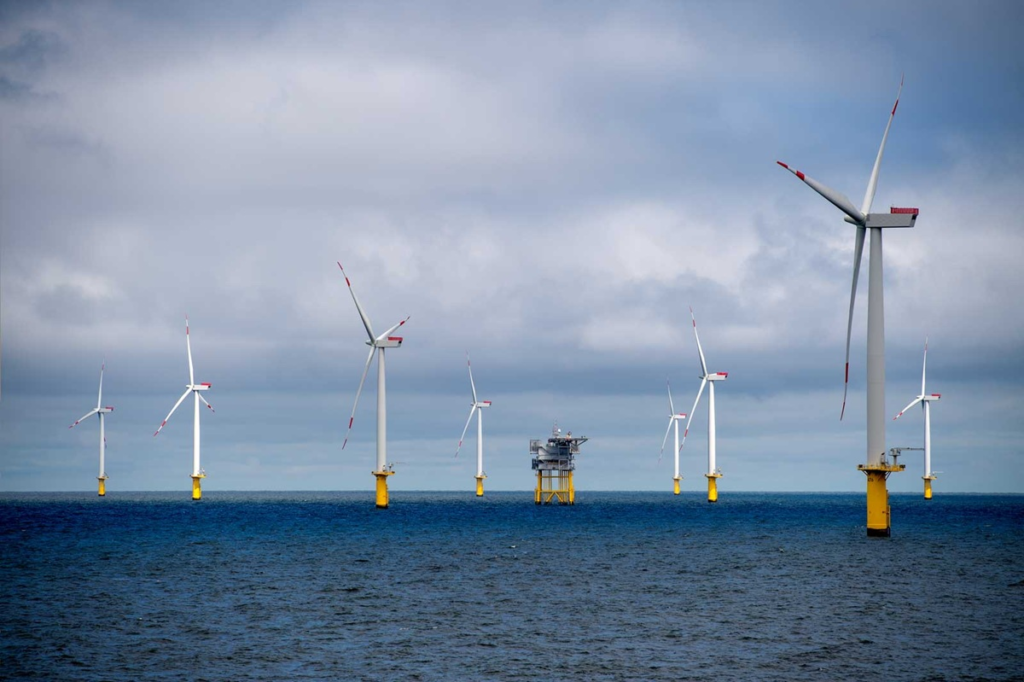
Scotland has lifted its offshore wind ambition to up to 40GW by 2040, replacing the earlier 8–11GW goal set for 2030. The Scottish Government said the reset follows strong private-sector engagement across the ScotWind and the Innovation and Targeted Oil and Gas seabed leasing rounds.
Industry body Scottish Renewables welcomed the change, noting the sector already supports more than 16,500 full-time jobs in Scotland and contributes £6.8bn to the Scottish economy. Offshore director Colin Palmer said Scotland is expected to be central to delivering a clean, secure and energy-resilient system for the UK, and urged the UK government to reflect the 40GW commitment in strategic energy planning.
Alongside the updated ambition, £1.8 million has been allocated to support early ground investigation and design work for Stornoway Port’s proposed Deep Water South project. Funding for this stage will be delivered by Highlands and Islands Enterprise.
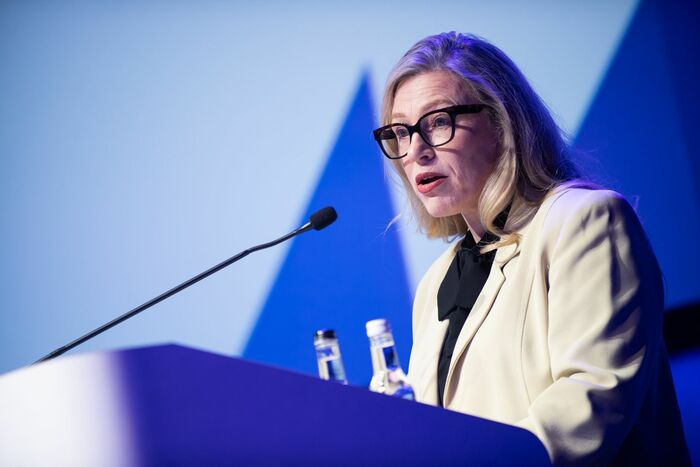
Climate action and energy cabinet secretary Gillian Martin said offshore wind offers significant economic potential across Scotland through jobs and investment. She added that Stornoway’s location, skills base and existing infrastructure make it important for supporting offshore wind activity, and said the updated 2040 ambition is intended to provide investor certainty while supporting national climate goals.
Stornoway Port chief executive Alex Macleod described the funding as a major step for Stornoway and the wider Outer Hebrides. He said support from Highlands and Islands Enterprise enables progress towards detailed design and enabling works, adding that joint investment signals confidence in the port’s long-term plans and the role Stornoway can play in Scotland’s offshore wind sector.
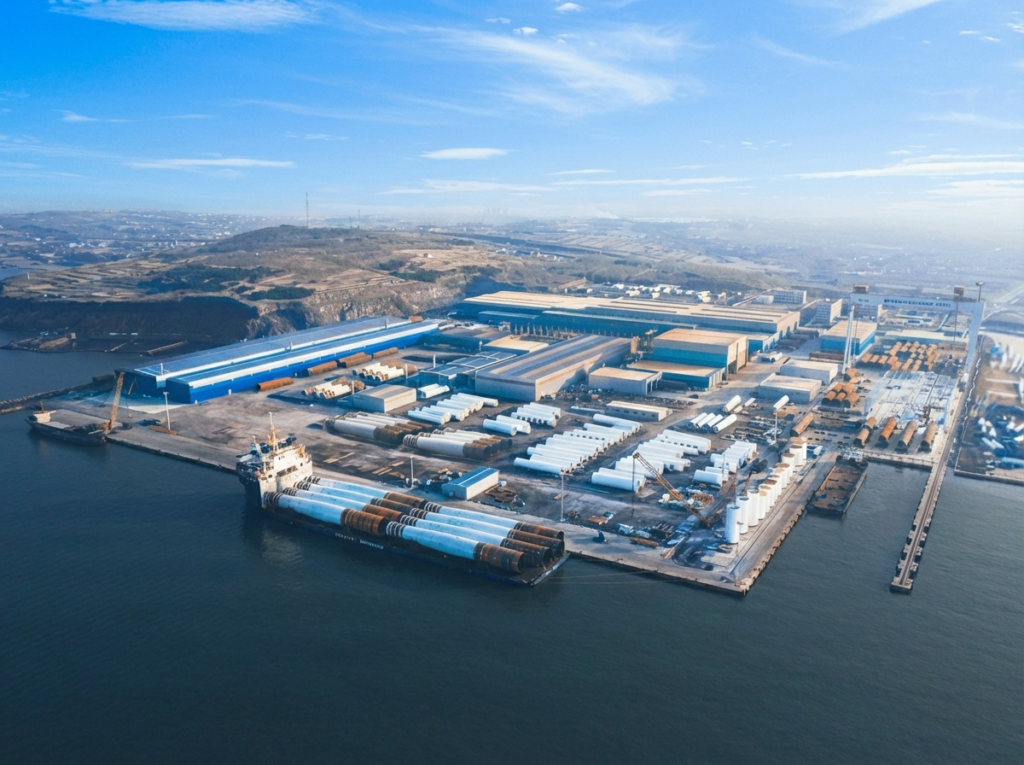
Deep Water South is planned as a new terminal designed to handle floating offshore wind vessels and provide storage space for large-scale construction and operations. The facility is also intended to support integration of turbine towers, nacelles and blades onto floating foundations for offshore renewable projects in the surrounding area.