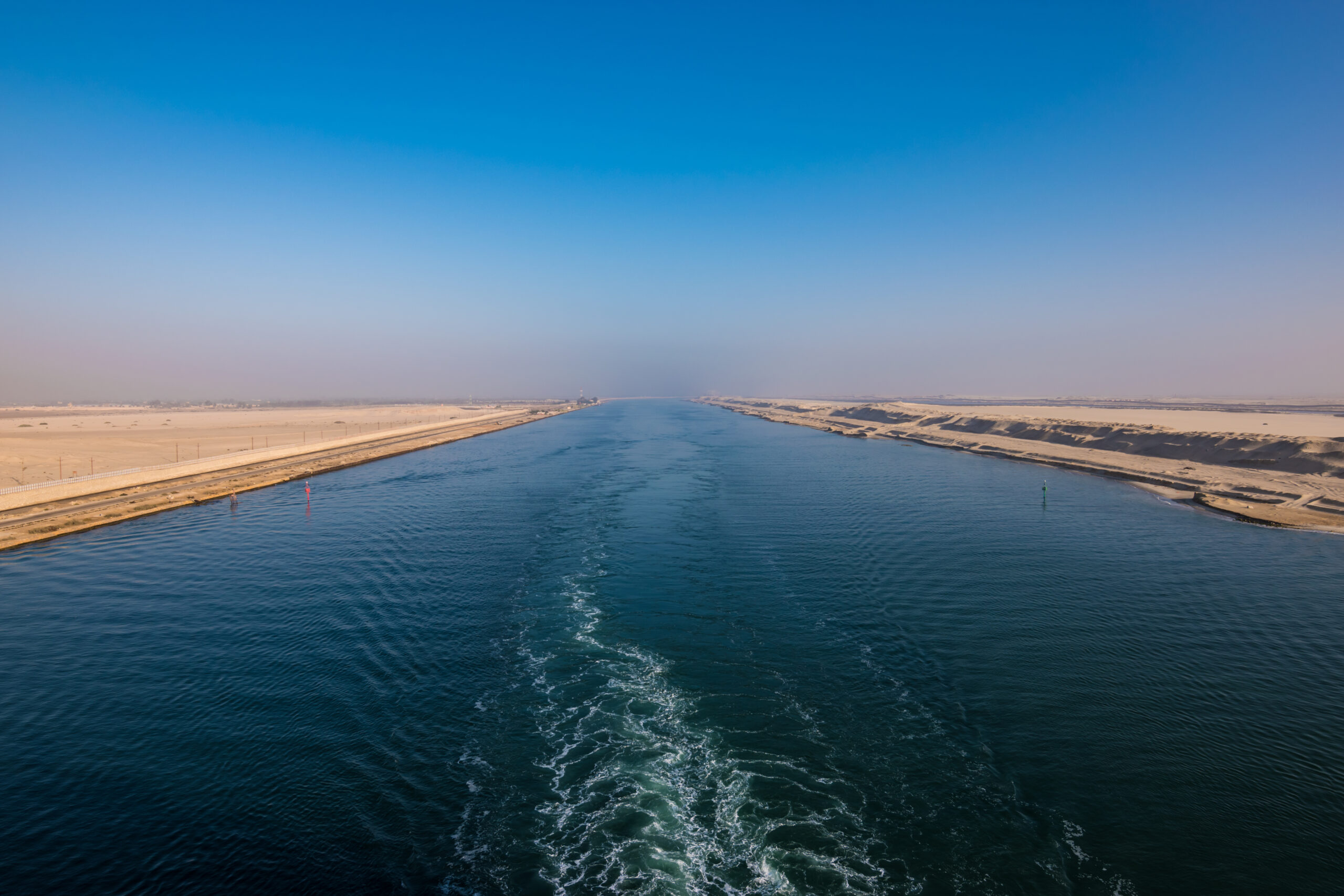
According to TradeWinds, a sanctioned Aframax tanker ran aground in the Suez Canal, blocking northbound traffic for several hours on Tuesday.
The Suez Canal Authority said the 150,600-dwt Komander (built 2004) experienced engine issues while sailing southbound at around 12:30 local time (09:30 GMT). Sources later confirmed to TradeWinds that the vessel had been refloated by 14:45.
Ship-tracking data shows the tanker had loaded at Murmansk and was headed to China for orders when it stalled.
The vessel was the last in a convoy of 19 ships sailing southbound and did not delay any of the other vessels. However, the authority said that all 20 vessels in a northbound convoy were stopped and expected to remain halted until the Komander was cleared from the area.
No damage or pollution has been reported.
The Komander is on sanctions lists from the United States, the United Kingdom, Switzerland, and Ukraine for transporting Russian crude oil above the G7 price cap. It is the only vessel owned and managed by Yo Shui Marine of Hong Kong and has been with the company since October 2024, when it was named Krishna 1.
Since then, the ship has changed names to Prudence and later Komander, and switched flags multiple times — from Panama, then falsely flying Guyana’s flag, then Comoros, and finally Russia — according to the shipping database Equasis.
The incident appears to mark a near miss for the so-called “dark fleet.” Ships in this network operate outside mainstream maritime insurance and classification systems, raising significant concerns over accountability in the event of a major oil spill.
TradeWinds notes that incidents in the Suez Canal carry global significance, recalling the grounding of the 20,388-teu Ever Given (built 2018), which blocked the canal for six days in 2021 and disrupted worldwide trade.
Amid ongoing Houthi-related instability in the Red Sea, many global trade routes have shifted. As a result, a similar blockage of the Suez Canal today would likely cause less disruption, as numerous operators continue to route vessels around Africa.
Source: TradeWinds (updated 28 October 2025)